

 Our Shared Values
 Our Business
 Our Foundations
 Our Achievements
 Our Governance
 Conservation Management & Monitoring
 Climate Change
 Community Engagement
 Partnerships & Memberships
 Human Rights & Labour
 Responsible Sourcing
 Responsible Production
 Certifications
 Sustainability Report
 Palm-based Food Products
 Other Food Products
 Oleochemicals
 Bioenergy
 Food & Nutrition Innovation
 Press Releases
 Stories
 Meet Our Experts
 In the News
 Publication
 Shareholder Information
 Disclosure of Information
 Financial Information
 Prospective Suppliers
 Support for Palm Suppliers
 FAQ
FAQ Existing Non-Palm Suppliers
 Graduates & Professionals
 Scholarships
 Internships
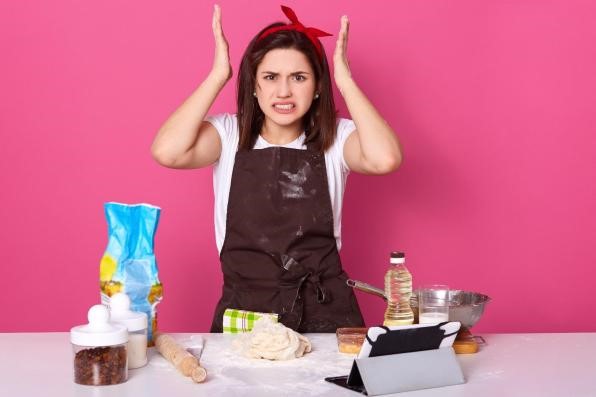
As bakery entrepreneurs, Smart Bakers certainly understand that producing perfect bread is not an easy task. Even after following recipes meticulously, the results often do not meet expectations, such as having hard textures, bread that easily collapses, and bread that quickly becomes moldy. However, in the bakery industry, good bread quality is crucial for building a reputation and maintaining customer satisfaction. These challenges often become obstacles in creating perfect bread and undoubtedly impact the operations of Smart Bakers’ business.
Therefore, Chef Junaidi will assist Smart Bakers in overcoming common bread problems and provide effective tips that can be implemented. Let’s learn together!
1. Hard Bread Textures
Hard bread is certainly far from the ideal texture desired. Several factors can cause bread to become hard, including:
- Lack of Fat: Fat plays a crucial role in keeping bread soft, so a shortage of fats like eggs or margarine can make the bread dry and hard.
- Baking Errors: Temperatures that are too high or baking durations that are too long can make the bread dry and hard. Similarly, temperatures that are too low can also result in undercooked and pale bread.
- Improper Storage: Leaving bread at room temperature without proper wrapping can cause it to lose moisture and become hard.
It’s important to follow the measurements and timing specified in the recipe to achieve the expected bread quality. Understanding different types of flour, yeast, and bread-making techniques is also crucial for producing the optimal texture and flavour of bread. When baking, pay attention to the oven temperature to prevent the bread from burning or being undercooked; typically, for small bread weighing 50 grams, use a temperature of 190°C – 200°C for 10-15 minutes, depending on the amount of dough and the type of oven used. Final tip, make sure the bread is completely cool before storing it in an airtight container, Smart Bakers, to prevent it from becoming moist and moldy.
2. Bread That Collapses After Baking
Collapsing bread can change the appearance of what was once a beautiful loaf into something less appealing to consumers. This is usually caused by several mistakes, namely:
- Underdeveloped Gluten: An incompletely formed gluten network can cause the bread to easily deflate.
- Inactive Yeast: Inactive yeast cannot produce the gas that prevents the bread dough from rising.
- Over Proofing or Excessive Fermentation: This causes the bread dough to expand greatly before baking. Once baked, the texture of the bread will deflate.
The issues mentioned above can be avoided by first ensuring that the yeast used is still active, which provides perfect leavening, managing the timing to prevent over proofing, and kneading the dough until it is smooth.
3. Bread Prone to Mold
Bread that easily becomes moldy can pose a significant problem, not just spoiling the bread but also posing health risks. To prevent bread from quickly becoming moldy, consider these key factors and solutions:
- Freshness of Ingredients: Using stale or expired ingredients can accelerate mold growth in bread. Always ensure that all ingredients are fresh and well within their expiration dates.
- Storage Conditions: Storing bread in damp, unclean, or sunlight-exposed areas can fast-track mold development. Opt for a dry, clean, and cool storage place to minimise these risks.
- Packaging the Bread While Hot: Wrapping bread while it’s still hot can trap steam, creating a moist environment ideal for mold growth. Allow the bread to cool completely before packaging.
- Shelf Life Awareness: Bread without preservatives typically has a shelf life of 3-5 days. Exceeding this storage period can increase the likelihood of mold growth. Be aware of the bread’s production date and try to consume it within this timeframe.
By paying attention to these aspects, you can significantly reduce the chances of mold development and ensure your bread remains fresh and enjoyable for as long as possible.
Smart Bakers now have a better understanding of how to tackle common bread issues. Feel free to try out the above tips to create exciting bread varieties like Wheat Bread with Raisins & Cranberries, Taro Layer Bread, Roti Durian Wijen, and Moaci Bread.
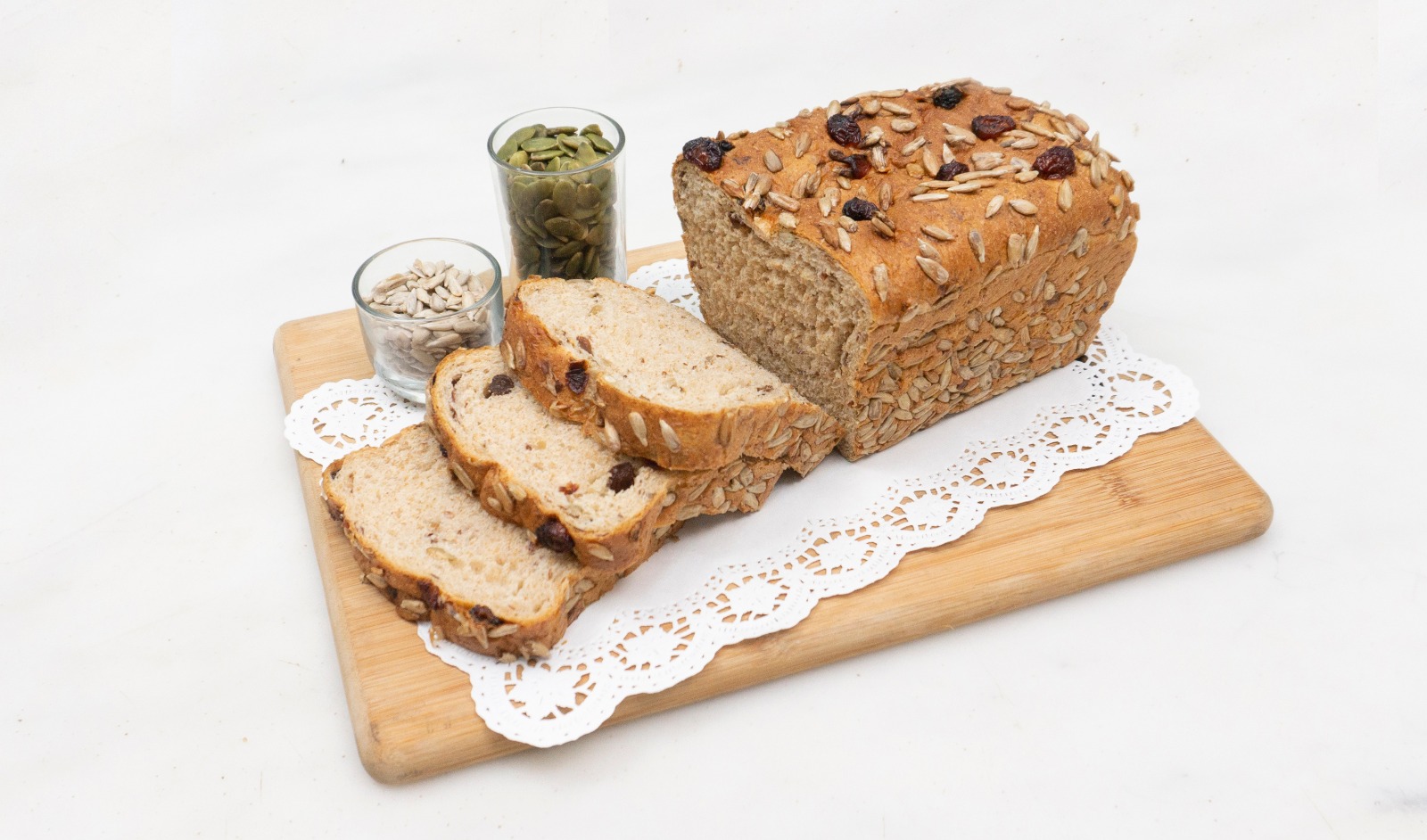
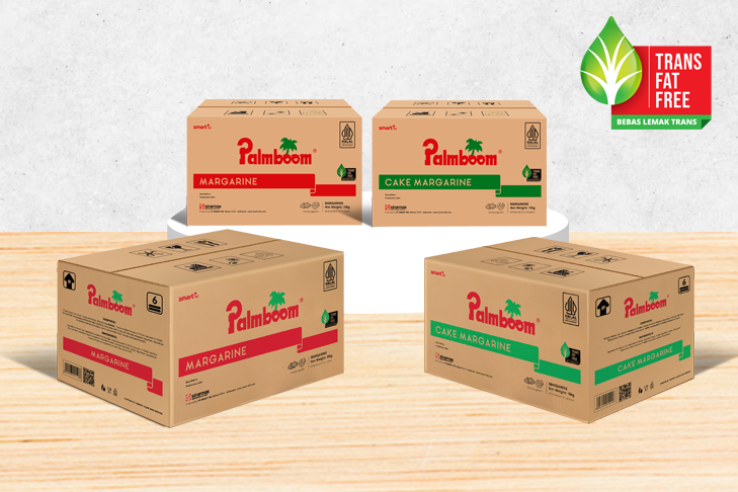
Of course, selecting high-quality ingredients is the key to creating premium bread. Chef Junaidi recommends Palmboom® Margarine and Palmboom® Cake Margarine, versatile margarines that have been trusted by bakery entrepreneurs for decades.
“Palmboom® products are certified Trans Fat Free, making them safer for heart health and cholesterol, without compromising the taste, colour, and texture of bakery products,” explains Stefanus Edo, Senior Brand Manager at Sinar Mas.
Are Smart Bakers interested in trying it out? Click the following link to purchase Palmboom® products!
Be sure to follow us on Instagram @smartplusprof and @palmboom_id for more tips and bakery recipe ideas.