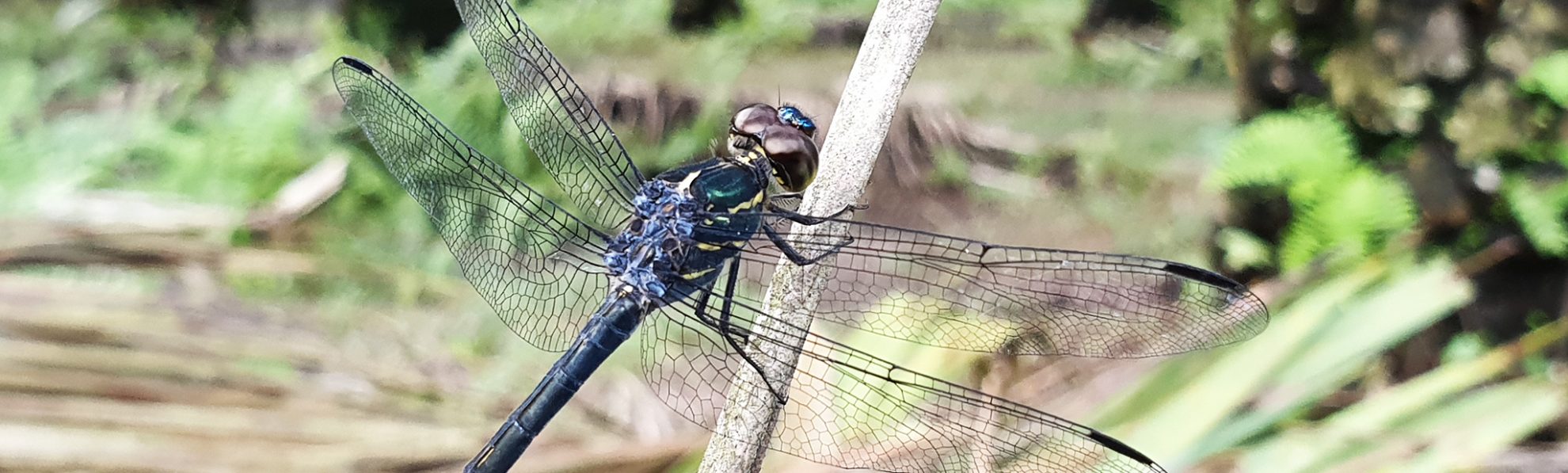
Protecting and promoting biodiversity
Indonesia, where we mostly operate, has some of the richest biodiversity on Earth. Indonesia’s tropical forests are home to thousands of species of plants, mammals and birds on the planet, including endangered ones such as orangutans, tigers, and pangolins. We recognise the strain the palm oil industry puts on these important ecosystems that also provide vital services our business and local communities rely on. Protecting and promoting biodiversity and conserving the natural environment is one of our priorities.
We are tackling this through responsible palm oil production practices, including our No Deforestation and Zero Burning policies as well as good agricultural practices that conserve vegetation grounds. These agricultural practices preserve soil health that has an impact on all levels of biodiversity, from micro to macro species. We are committed to preserving rare and threatened species. We have a strict zero-tolerance policy towards hunting, injury, possession and killing of rare and endangered species. We have identified HCV areas and the rare and endangered species within our concessions and surrounding areas. We have appropriate protective measures in place and continue to monitor biodiversity in our plantations and concession areas closely.
Location: Sungai Cantung Estate (SCNE), Region Kalimantan Selatan 2
Status based on IUCN Red List: Near threatened (NT)
Status based on the Republic of Indonesia...
Location: Sungai Rungau Estate (SRGE), Region Kalimantan Tengah 2
Status based on IUCN Red List: Least Concern (LC)
Status based on the Republic of Indonesia LHK Regulation...
Location: Lenggana Estate (LGGE), Region Kalimantan Tengah 3
Status based on IUCN Red List: Vulnerable (V)
Status based on the Republic of Indonesia LHK Regulation No.106 of 2018:...
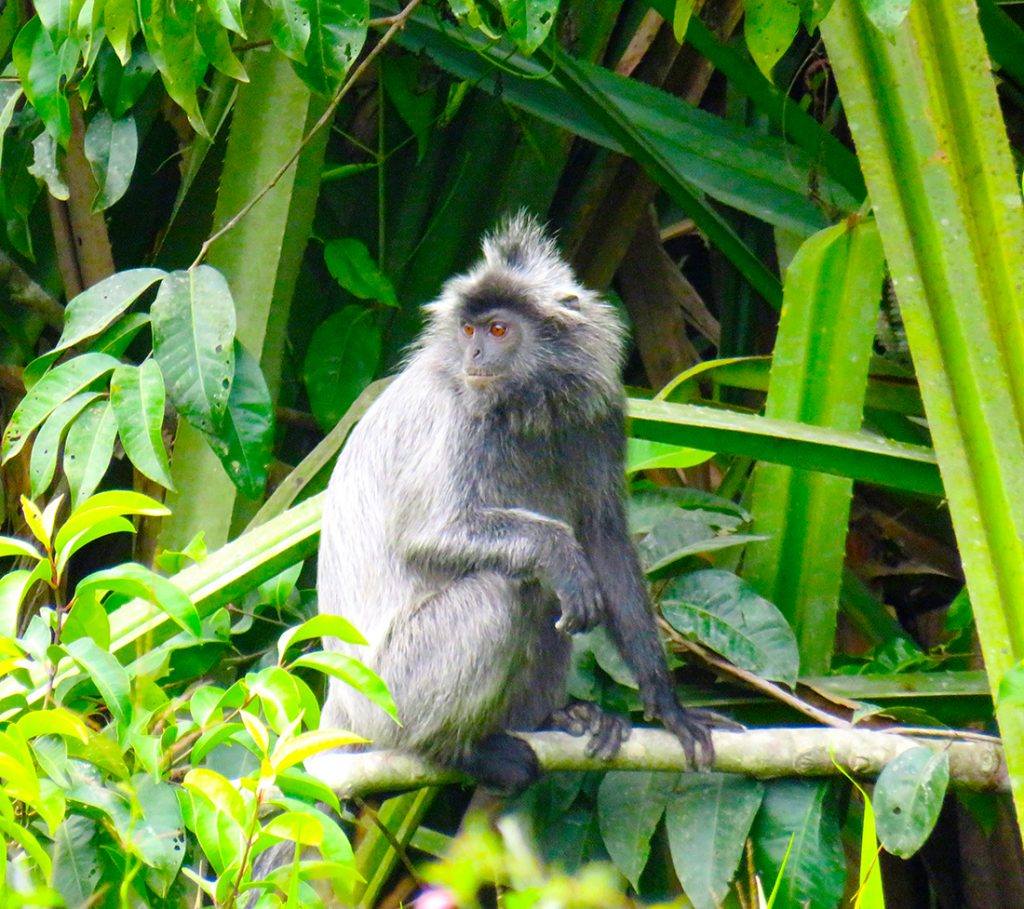
Location: Padang Halaban Estate (PHLE), Region Sumatera Utara
Status based on IUCN Red List: Near threatened (NT)
Status based on the Republic of Indonesia LHK Regulation No.106 of 2018:...
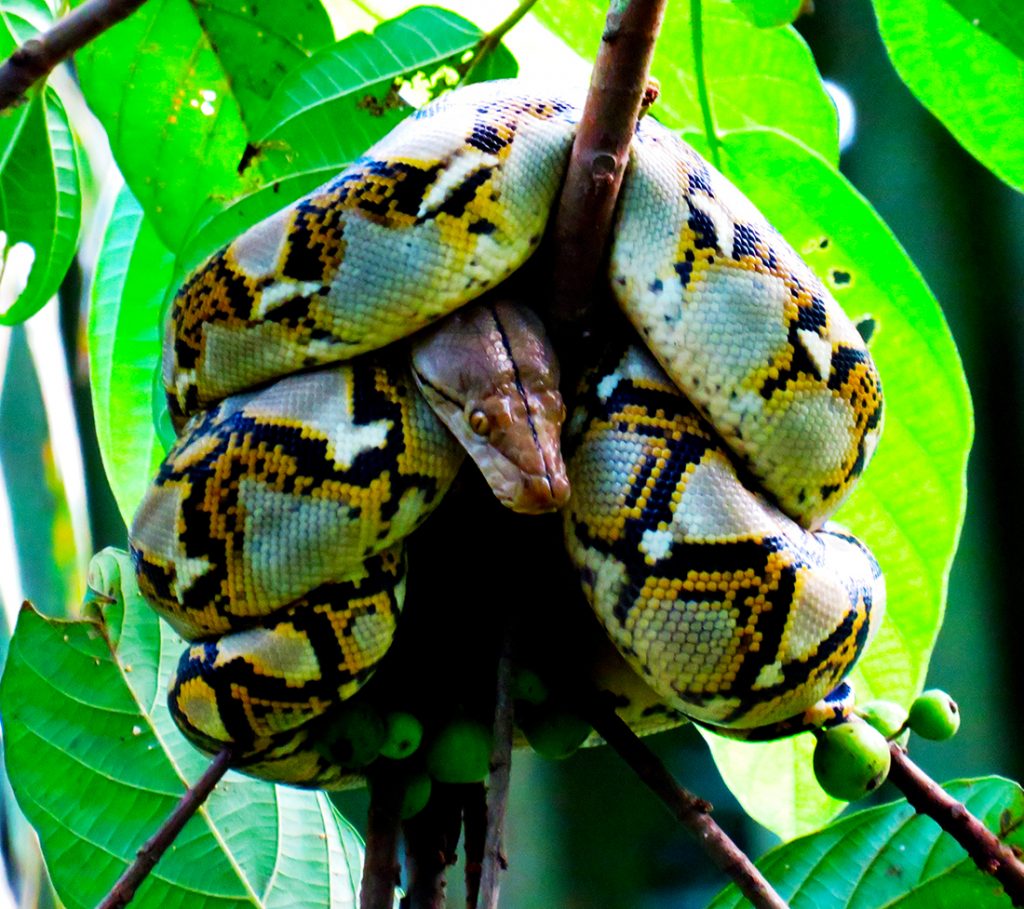
Location: Pernantian Estate (PRNE), Region Sumatera Utara
Status based on IUCN Red List: Least Concern (LC)
Status based on the Republic of Indonesia LHK Regulation No.106 of...
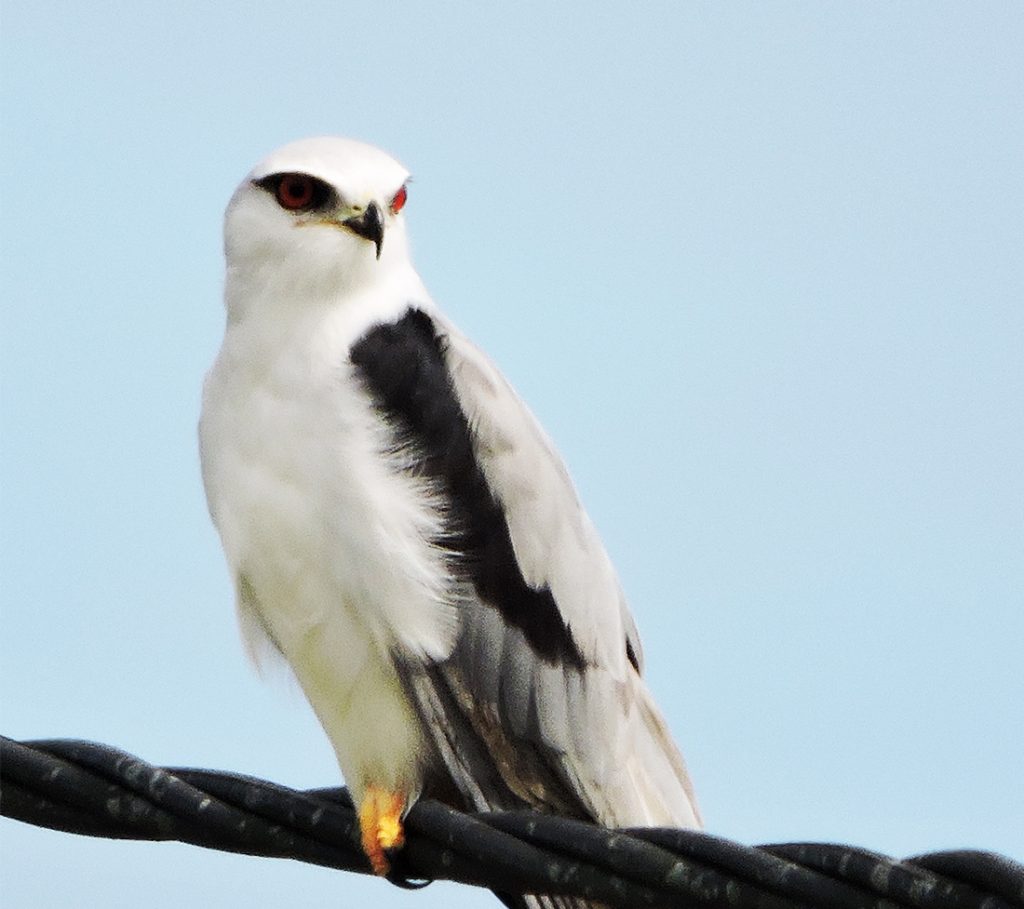
Location: Lenggana Estate (LGGE), Region Kalimantan Tengah 3
Status based on IUCN Red List: Least Concern (LC)
Based on the Republic of Indonesia LHK Regulation No.106 of 2018:...
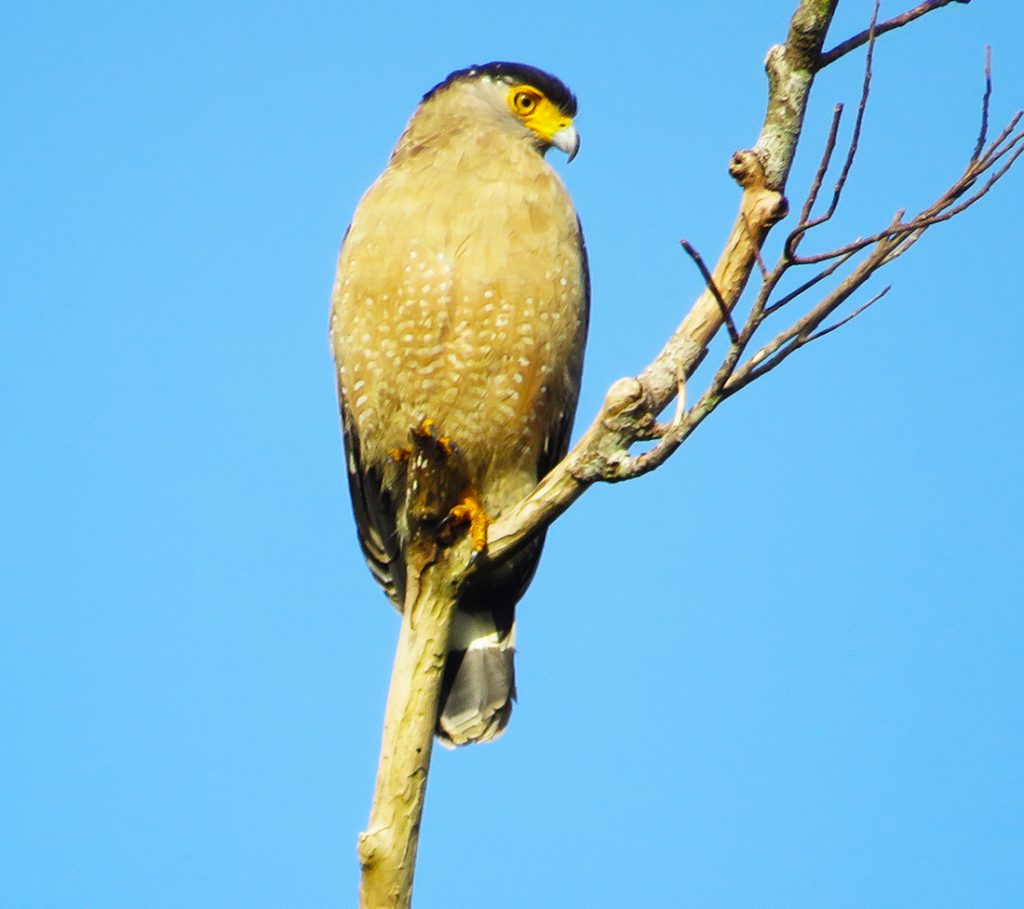
Location: Sungai Panci Estate (SPNE), Region Kalimantan Selatan 1
Status based on IUCN Red List: Least Concern (LC)
Status based on the Republic of Indonesia LHK Regulation No.106 of...
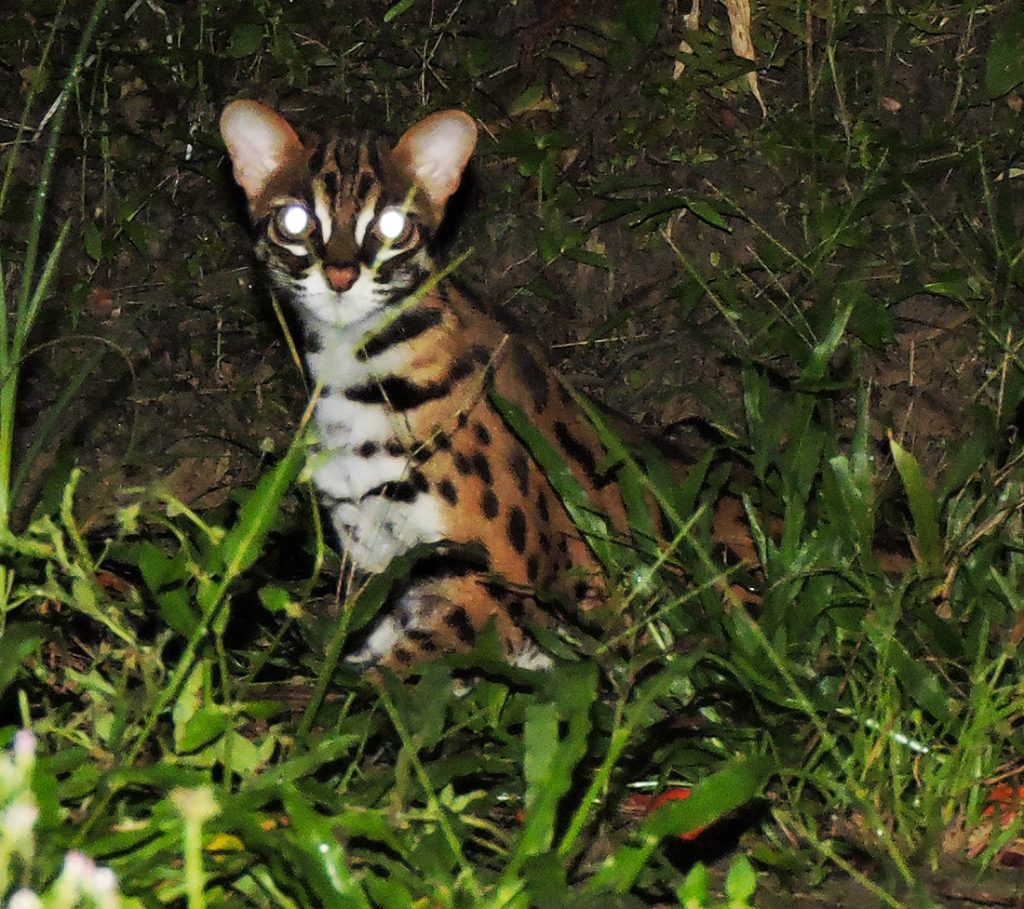
Location: Kijang Plama (KJNP), Region Kampar, Riau
Status based on IUCN Red List: Least Concern (LC)
Status based on the Republic of Indonesia LHK Regulation No.106 of 2018: Protected

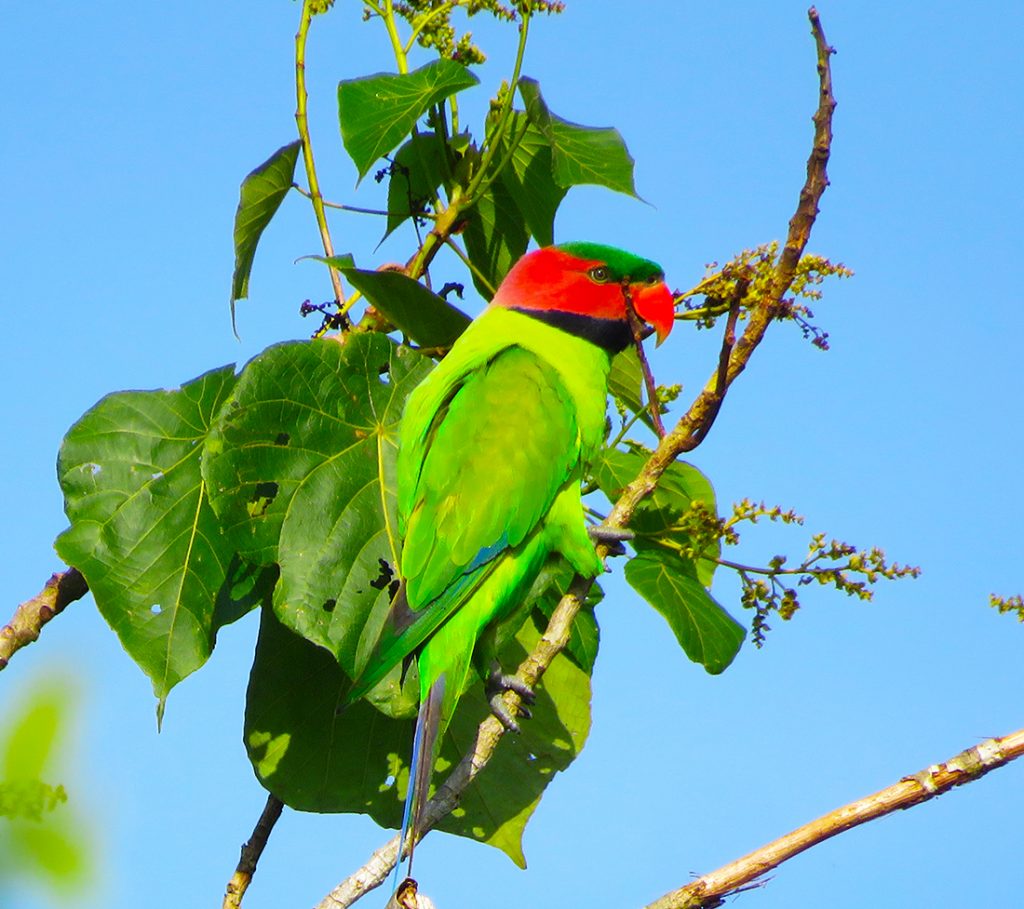
Location: Sungai Cantung Estate (SCNE), Region Kalimantan Selatan 2
Status based on IUCN Red List: Near threatened (NT)
Status based on the Republic of Indonesia LHK Regulation No.106 of 2018: Protected
The long-tailed parakeet is a very common species and widespread in southern and north-east Borneo (S. Myers in litt. 2016). In addition, it has been recorded in many types of lowland evergreen forest including mangroves, oil-palm plantations, and coconut groves.
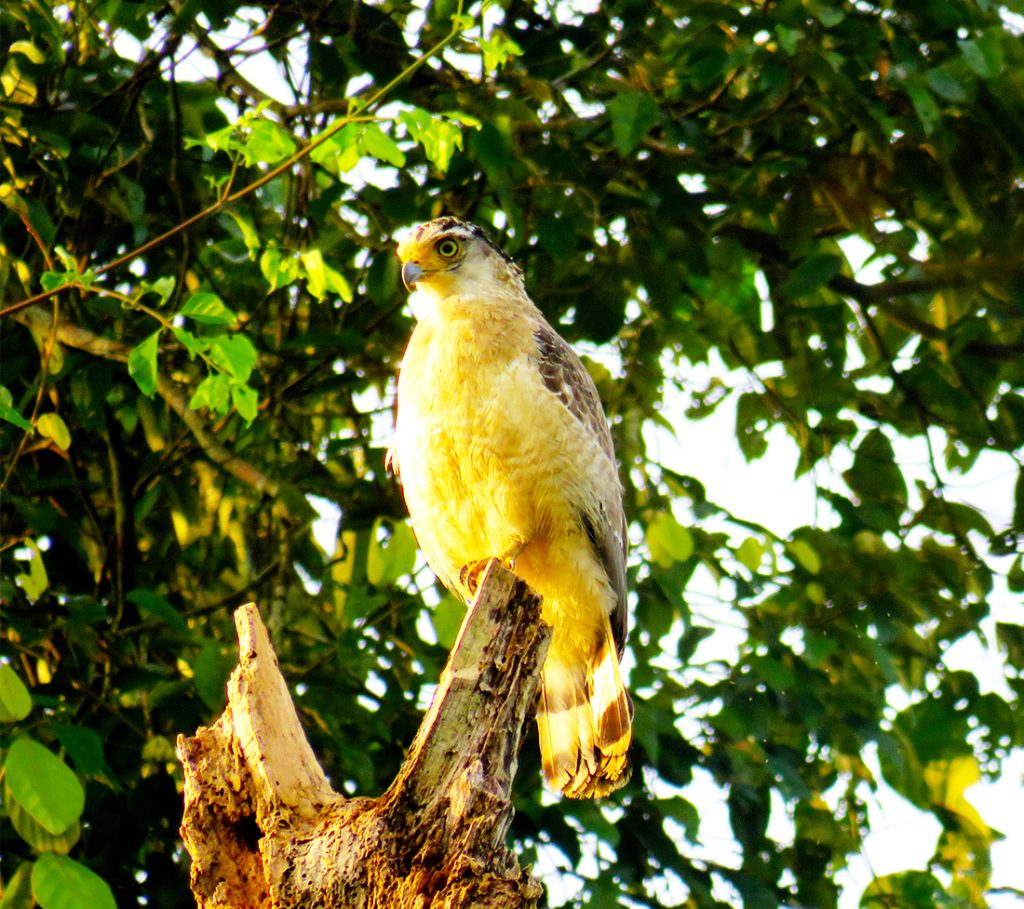
Location: Sungai Rungau Estate (SRGE), Region Kalimantan Tengah 2
Status based on IUCN Red List: Least Concern (LC)
Status based on the Republic of Indonesia LHK Regulation No.106 of 2018: Protected
Jerdon’s baza is a moderate-sized brown hawk with a thin white-tipped black crest usually held erect. It is found in Southeast Asia. It inhabits foothills in the terai and is rarer in evergreen forests and tea estates. The common name and Latin binomial commemorate the surgeon-naturalist Thomas C. Jerdon.(wikipedia.org)
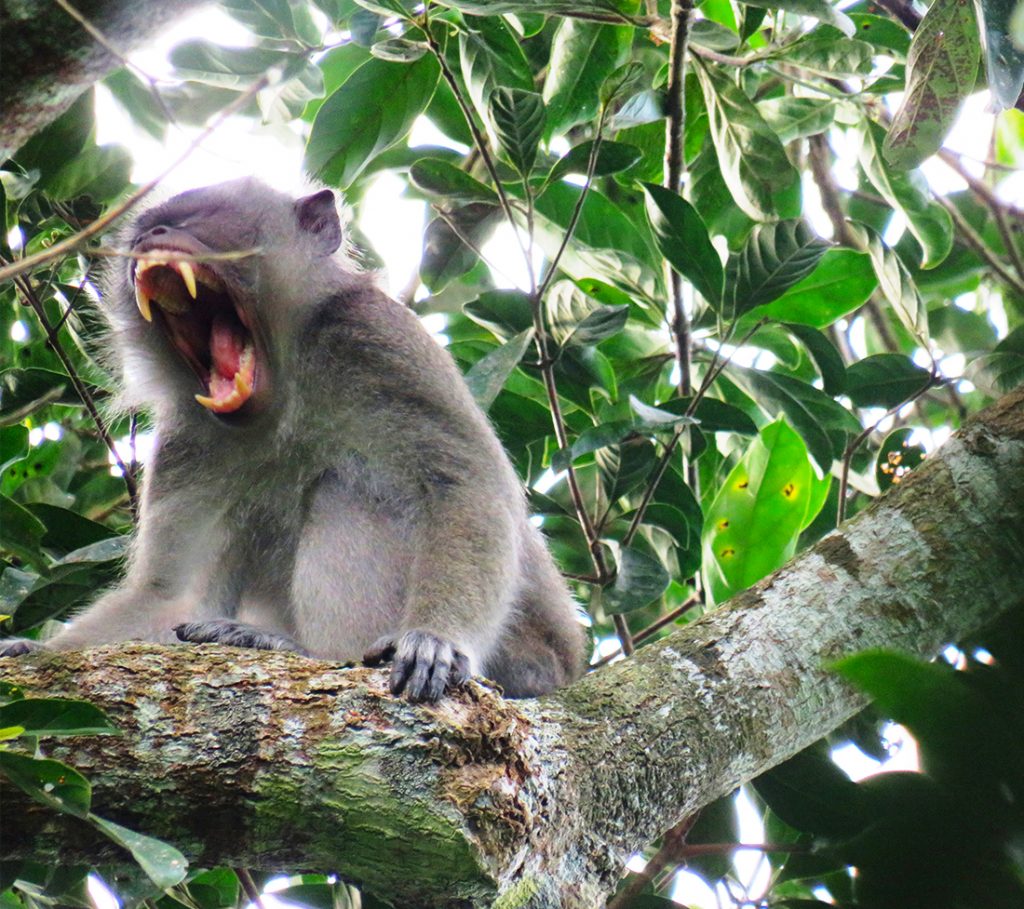
Location: Lenggana Estate (LGGE), Region Kalimantan Tengah 3
Status based on IUCN Red List: Vulnerable (V)
Status based on the Republic of Indonesia LHK Regulation No.106 of 2018: Not protected
This species has a wide distribution in Southeast Asia. The species is extremely tolerant of a range of habitats, including mangrove and swamp forests, and can be found in agricultural areas near forest (Thomas 1898; Fooden 1991,1995; Rabor 1986; Goodman and Ingle 1993; Heaney et al. 1991; Rickart et al. 1993; Danielsen et al. 1994).
Location: Padang Halaban Estate (PHLE), Region Sumatera Utara
Status based on IUCN Red List: Near threatened (NT)
Status based on the Republic of Indonesia LHK Regulation No.106 of 2018: Protected
This species is found in Brunei, Indonesia, and Malaysia. In Peninsular Malaysia and Borneo it is known mostly from riparian and mangrove forest (V. Nijman pers. comm.), while in Sumatra it is found in a variety of primary and secondary forest types (Furuya 1961, MacKinnon and MacKinnon 1987).
Location: Pernantian Estate (PRNE), Region Sumatera Utara
Status based on IUCN Red List: Least Concern (LC)
Status based on the Republic of Indonesia LHK Regulation No.106 of 2018: Protected
This species is widespread throughout much of Southeast Asia. The species is found in rainforest, woodland and adjacent grassland areas. It is also associated with rivers and is often found near or in streams and lakes. Its habitat tolerances appear to vary across its range; it has been described as occurring in sewers in Singapore, Indonesia, and Borneo (L. Grismer, H. Jenkins and I. Das pers. comm. September 2011).
Location: Lenggana Estate (LGGE), Region Kalimantan Tengah 3
Status based on IUCN Red List: Least Concern (LC)
Based on the Republic of Indonesia LHK Regulation No.106 of 2018:
Protected
This species is one of the commonest birds of prey throughout its wide range (Kemp et al. 2015). The species occupies relatively open habitats at a range of altitudes (0-750m in West Palearctic; 0-2,000m in Southern Asia; 0-3,000m in Africa), ranging from semi-desert to forest margins and clearings within densely forested areas.
Location: Sungai Panci Estate (SPNE), Region Kalimantan Selatan 1
Status based on IUCN Red List: Least Concern (LC)
Status based on the Republic of Indonesia LHK Regulation No.106 of 2018: Protected
Crested serpent-eagles are found throughout much of the Oriental region. In India, they can be found from the lower Himalayas to Sri Lanka and the Andamans. Further east they can be found in Southeast Tibet and Southeast China, south of the Changiang Valley. Outside of mainland Asia, they can be found on the Greater Sunda Islands, Bali, and the Philippines (animaldiversity.org).
Location: Kijang Plama (KJNP), Region Kampar, Riau
Status based on IUCN Red List: Least Concern (LC)
Status based on the Republic of Indonesia LHK Regulation No.106 of 2018: Protected
The leopard cat is a widespread species. The leopard cats can range up to 3,240m asl (Ghimirey and Ghimire 2010) and found in a wide variety of habitats from tropical rainforest to temperate broadleaf and, marginally, coniferous forest, as well as shrub forest and successional grasslands.
This table shows the full list of threatened species identified in our concessions under Indonesia’s National Law of Protected Species.
Threatened species list
| Scientific Name | Indonesian Name | English Name | Family | Conservation Status | ||
|---|---|---|---|---|---|---|
| IUCN | Cities | Government Regulation of the RI NO.7/1999 | ||||
Education is at the heart of our conservation efforts. We educate our employees, smallholders, suppliers, and local communities on the importance of protecting endangered species.
We are also learning. We work with NGOs and conducts research in collaboration with reputable universities to learn how to better protect, preserve and promote biodiversity.

Orangutan conservation

Orangutans are classified as Critically Endangered in the IUCN’s Red List of Threatened Species. Orangutan populations have declined rapidly in the 20th century, and IUCN estimates that there are fewer than 120,000 orangutans remaining in the wild. Deforestation has played a big part in this decline.
We have collaborated with the Orangutan Foundation International (OFI) from 2011 to 2023 to help rehabilitate and release wild and ex-captive orangutans into their natural habitats. From 2011 to 2020, we have released 127 primates and aim to release 160 orangutans by 2023.

Biodiversity research
We believe in being responsible stewards of our almost half a million hectares of palm oil estates. Sinar Mas Agro Resources and Technology Research Institute (SMARTRI) is collaborating with Cambridge University to research the diversity of plant and insect species in oil palm plantations. Through this research, we hope to learn and implement better management strategies to support biodiversity and ecosystem processes in our plantations.This research is becoming increasingly crucial as insect populations are facing a potential global collapse. Our estates house a wide variety of insects which perform critical ecological tasks such as pollination. As part of our efforts to maintain biodiversity in our plantations, we have reduced the use of pesticides and herbicides and adopted an Integrated Pest Management (IPM) approach.