

 Our Shared Values
 Our Business
 Our Foundations
 Our Achievements
 Our Governance
 Conservation Management & Monitoring
 Climate Change
 Community Engagement
 Partnerships & Memberships
 Human Rights & Labour
 Responsible Sourcing
 Responsible Production
 Certifications
 Sustainability Report
 Palm-based Food Products
 Other Food Products
 Oleochemicals
 Bioenergy
 Food & Nutrition Innovation
 Press Releases
 Stories
 Meet Our Experts
 In the News
 Publication
 Shareholder Information
 Disclosure of Information
 Financial Information
 Prospective Suppliers
 Support for Palm Suppliers
 FAQ
FAQ Existing Non-Palm Suppliers
 Graduates & Professionals
 Scholarships
 Internships
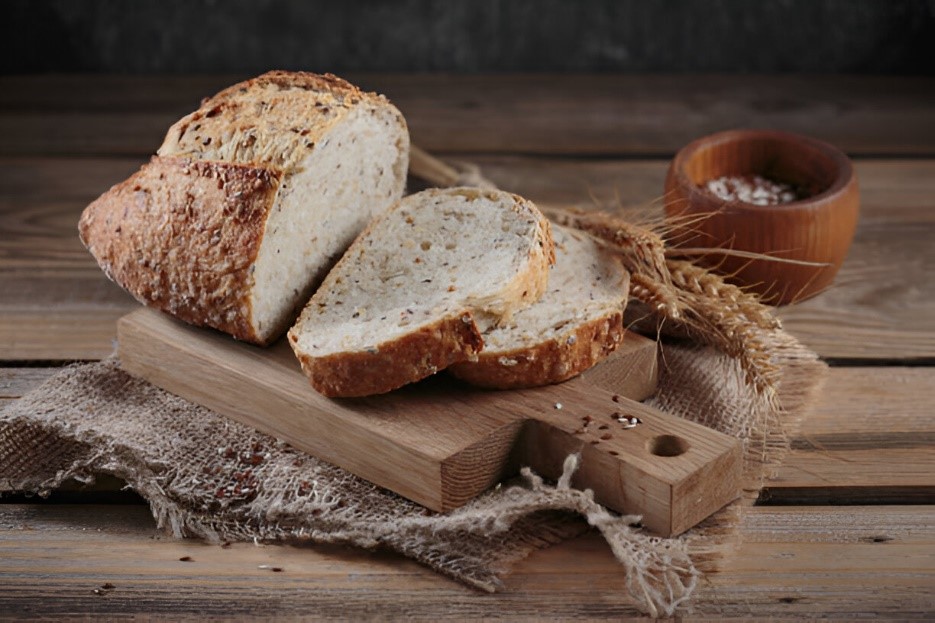
The high hydration technique, or the use of a high amount of water in dough, is increasingly being adopted in the world of artisan bread. The main goal is to achieve a softer, moister crumb texture and improved shelf life. Extensive experience in working with this type of dough shows that sensitivity and adaptability are key to success.
High hydration dough refers to bread dough with a high water-to-flour ratio, typically above 75 percent and reaching or exceeding 80 percent. This ratio not only adds moisture but also acts as a catalyst in creating the bread’s unique texture, flavour, and shelf life. According to Chef Ernest, here are the key benefits of the high hydration dough technique:
1. Open and Light Crumb Structure (Open Crumb)
High water content is a hallmark of artisan bread. Biochemically, this gives gluten proteins more freedom to move. During the stretch and fold process, gluten strands gradually arrange into a flexible matrix capable of trapping CO₂ gas from the yeast. When baked, this gas expands significantly, creating large, irregular air pockets that look beautiful.
2. Superior Enzymatic Activity
Amylase works more effectively when water is abundant, breaking down complex starches into simple sugars that become an energy source for yeast and lactic acid bacteria. As a result, fermentation becomes more active, producing more CO₂ for oven spring as well as compounds that enrich the flavour.
Meanwhile, protease breaks down some protein bonds, making the dough more extensible. The autolyse process, which is the resting of flour and water mixture, takes advantage of this enzyme activity to produce dough that is easier to handle without much mechanical effort.
3. More Complex and Deeper Flavour
More active and prolonged fermentation, because wet dough allows for cold fermentation or retardation, gives microorganisms time to produce organic acids such as lactic acid and acetic acid. These are the source of sourdough’s tangy taste and rich aroma. The simple sugars that are formed also support Maillard reactions and caramelisation during baking, creating a dark golden brown crust with a delicious aroma.
4. Longer Shelf Life
Dough with high hydration does not necessarily last longer, but the resulting bread is able to retain more moisture in its crumb. This slows the staling process caused by starch retrogradation. The result is bread that stays moist and fresh for several days, reflecting premium quality.
Challenges in Handling High Hydration Dough
In making artisan bread with high hydration, this is where the art and intuition of a baker are truly put to the test. Challenges arise at every stage, from sticky handling, difficult shaping, to proofing that is prone to over-fermentation.
- Handling
The main challenge is the sticky dough. Traditional kneading techniques are not suitable because they can damage the gluten structure that has not yet fully formed. - Shaping
Shaping becomes difficult because highly hydrated dough tends to be soft, lacks sufficient structure, and doesn’t “lock in” its shape, making it hard to create stable surface tension. - Proofing
During proofing, high hydration dough is prone to over-proofing due to rapid fermentation activity, while the gluten structure is not yet strong enough to hold the gas, making it easy to collapse when moved or scored.
Effective Techniques for Handling High Hydration Dough
Extensive experience in working with high hydration dough teaches the importance of sensitivity and adaptation. This technique is not just about the amount of water but also about how the baker reads the character of a living, ever-changing dough.
- Use the stretch and fold or coil fold technique. Perform this every 30–45 minutes during initial fermentation to gradually build gluten without damaging the dough structure.
- Do bulk fermentation in a container that is moistened or lightly oiled. This helps make it easier to handle the very soft dough.
- Place it into cold fermentation for 12–24 hours. This process enhances flavour and makes the dough more stable during shaping and scoring.
- Use a bench scraper and wet your hands while shaping. This technique helps create surface tension on the dough without making it stick.
- Focus on visual cues, not time. A 50–70% rise in volume, the appearance of surface bubbles, and a jiggly texture are indicators of optimal fermentation.
Can this technique be applied to non-artisan bread? – The answer is yes! Chef Ernest explains that the application of high hydration dough to non-artisan bread is indeed possible, but with some adjustments. Here are some examples:
a. Sandwich Loaf
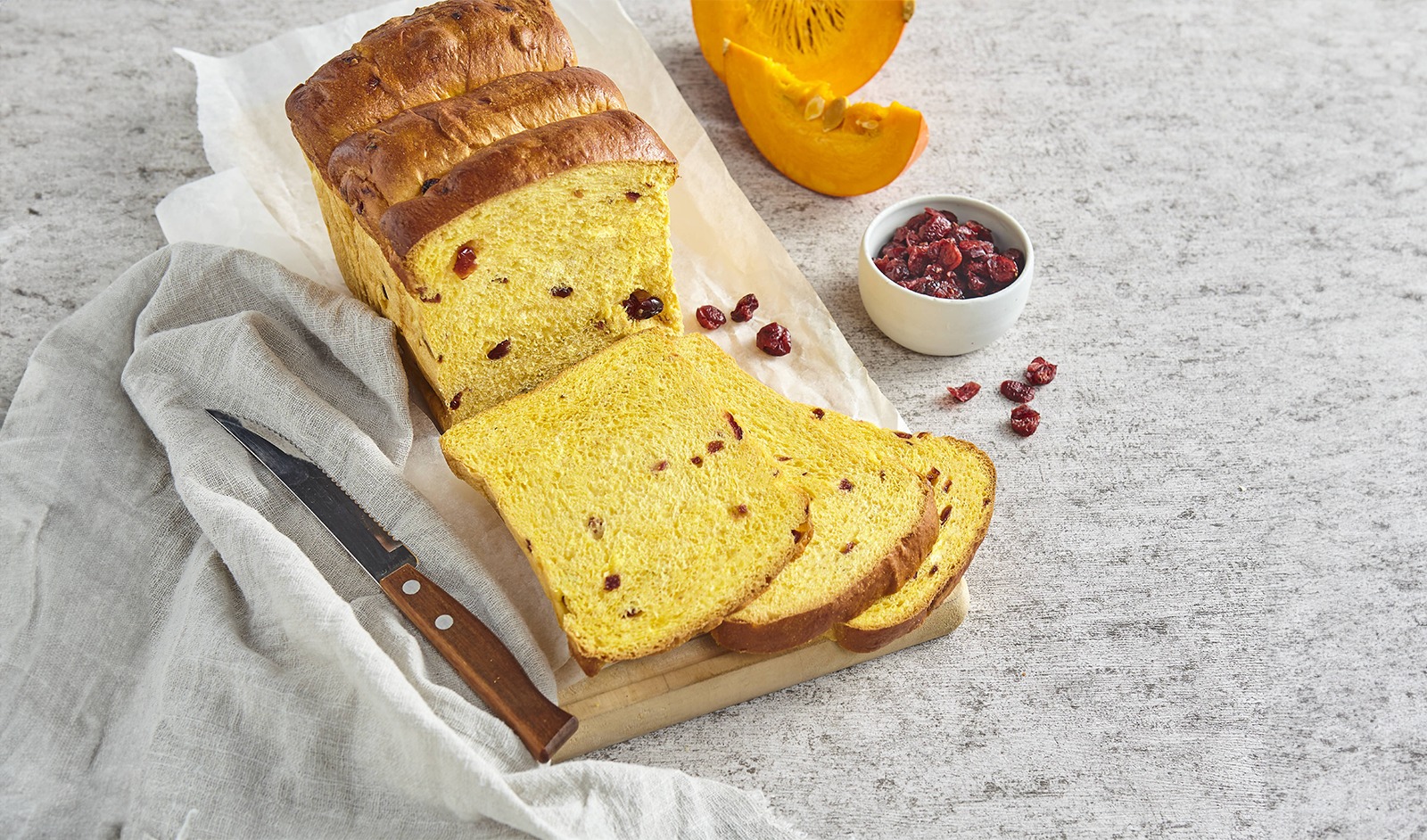
Slightly increasing hydration can make sandwich bread softer and help it stay fresh longer. However, we won’t use hydration levels as high as those in artisan bread, because we want a tighter and more uniform crumb that’s suitable for spreading or making sandwiches.
b. Sweet Bun
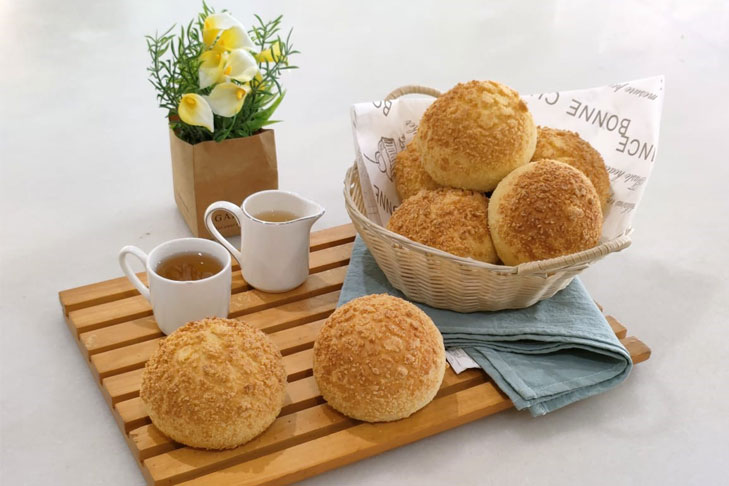
This is a bit more complex. In sweet bread dough, sugar, milk, and butter are already competing with the flour to absorb water. Adding too much extra water can actually make the dough less stable.
When using ingredients like local flour and whole wheat, which have lower gluten content, the high hydration technique becomes an important tool for maintaining softness and crumb structure in artisan bread. Since the dough tends to be more fragile, high hydration helps preserve the bread’s tender texture while also making it easier to incorporate various fillings—from cheese to grain porridge—without damaging the developed structure.
To enhance flavour, part of the water can be substituted with cold brew, fruit juice, or mushroom broth. Longer fermentation also supports a deeper flavour and makes the bread easier to digest. High hydration is not just a trend, but an approach that opens space for exploring texture and flavour. In this process, supporting ingredients like plant-based fat play an important role in maintaining dough softness and stability, especially when working with evolving ingredients and techniques.
To meet these needs, “FILMA® is designed to support bakers and bakery business players who aim for premium quality,” said Stefanus Edo, Senior Brand Manager at Sinar Mas. “With a superior formula and a complete product range, FILMA® can be relied on for various bread and pastry creations.” Designed to perform optimally with various techniques, both traditional and modern, FILMA® is a relevant solution for bakery professionals who prioritise consistency, quality, and flexibility in responding to trends.
With proper technical understanding and support from quality ingredients like FILMA®, the potential of artisan bread can be maximised without sacrificing efficiency or consistency of results. To support your creative process, a variety of FILMA® products are available and easily accessible through the e-catalog below.