

 Our Shared Values
 Our Business
 Our Foundations
 Our Achievements
 Our Governance
 Conservation Management & Monitoring
 Climate Change
 Community Engagement
 Partnerships & Memberships
 Human Rights & Labour
 Responsible Sourcing
 Responsible Production
 Certifications
 Sustainability Report
 Palm-based Food Products
 Other Food Products
 Oleochemicals
 Bioenergy
 Food & Nutrition Innovation
 Press Releases
 Stories
 Meet Our Experts
 In the News
 Publication
 Shareholder Information
 Disclosure of Information
 Financial Information
 Prospective Suppliers
 Support for Palm Suppliers
 FAQ
FAQ Existing Non-Palm Suppliers
 Graduates & Professionals
 Scholarships
 Internships
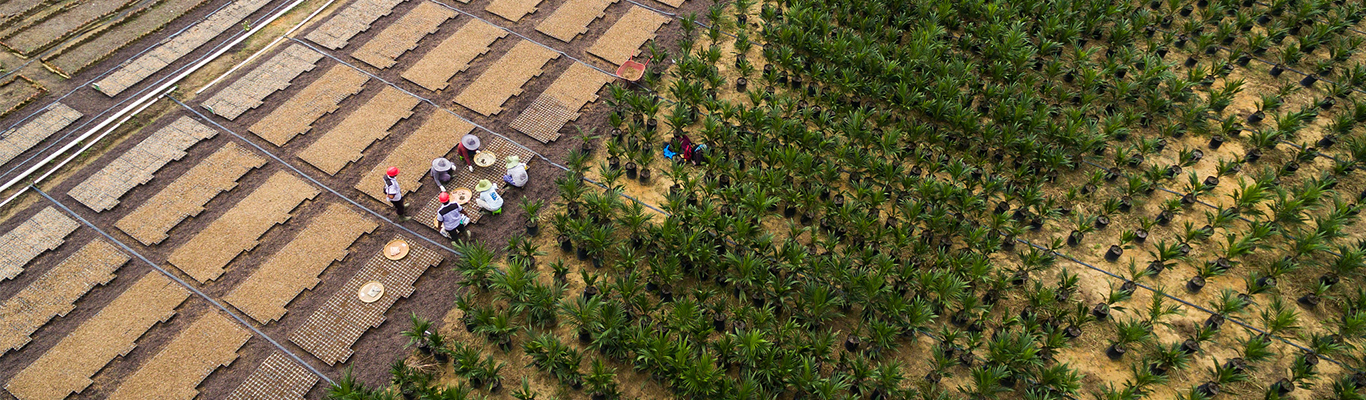
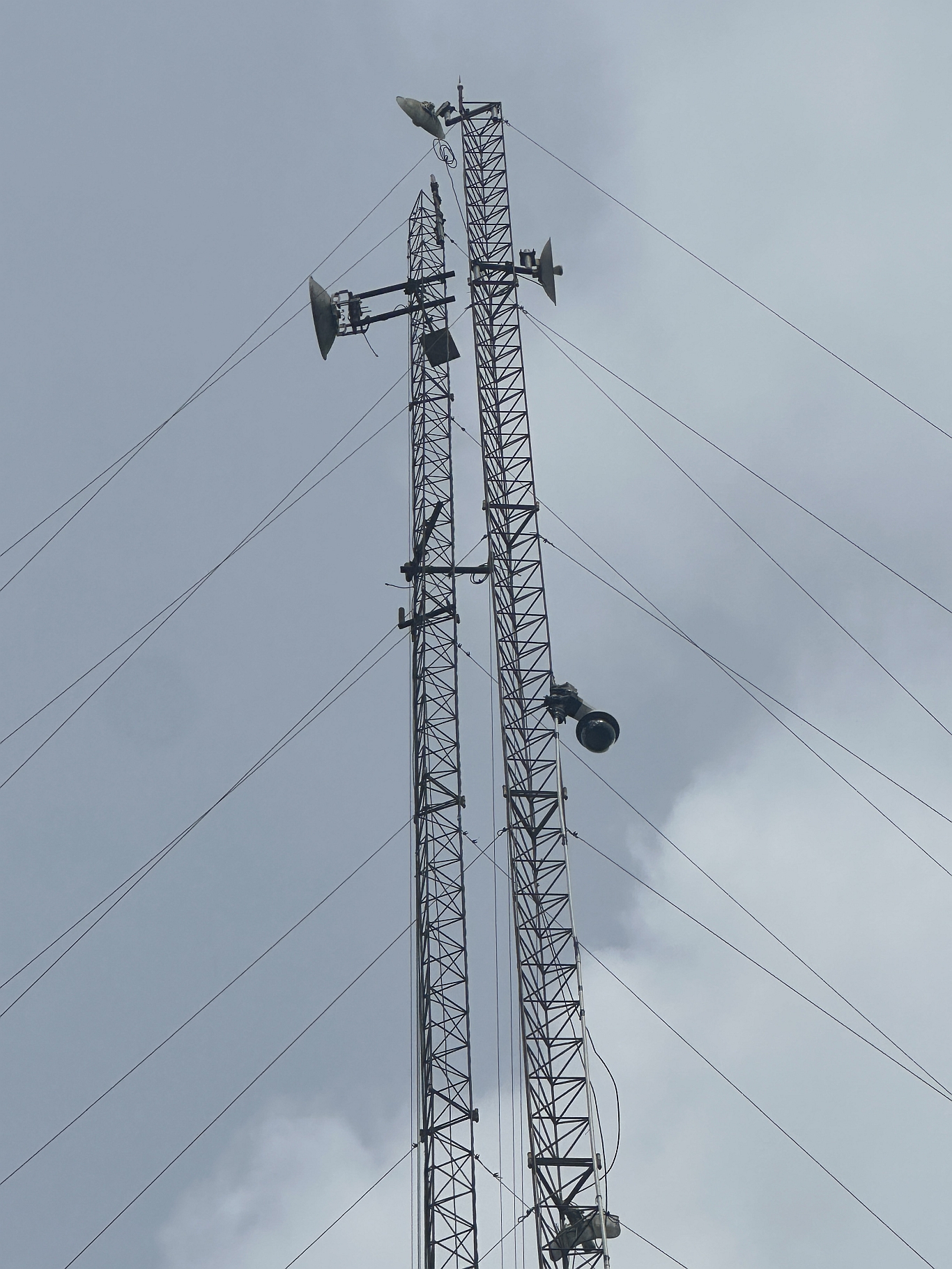
Ketapang, West Kalimantan, 12 June 2026 – Ahead of the dry season, efforts to prevent forest and land fires continue to be strengthened in Ketapang Regency, West Kalimantan. One such effort involves the use of an artificial intelligence (AI) based early detection system that helps identify signs of smoke and fire, enabling a faster response on the ground. The system is deployed by PT Agrolestari Mandiri, a subsidiary of Sinar Mas Agribusiness and Food, through AI enabled CCTV cameras capable of detecting smoke and fire in real time at distances of up to 17 kilometres.
As part of a layered monitoring system, the technology complements the satellite based hotspot monitoring already in place. By detecting indications of smoke and fire in real time, the AI system helps accelerate the identification and verification of potential fire incidents, allowing response teams to act more quickly.
The technology forms part of a broader wildfire prevention strategy. In addition to strengthening early detection through a combination of AI and satellite monitoring, the company continues to enhance preparedness through routine patrols, support for Fire Aware Community (MSA) groups, and the strengthening of firefighting personnel and equipment.
This commitment was reaffirmed through a Wildfire Prevention Readiness Exercise organised by PT Agrolestari Mandiri in Ketapang, West Kalimantan. The event brought together 250 participants, including representatives from government agencies, security forces, community leaders, village administrations, and the private sector to strengthen coordination ahead of the dry season.
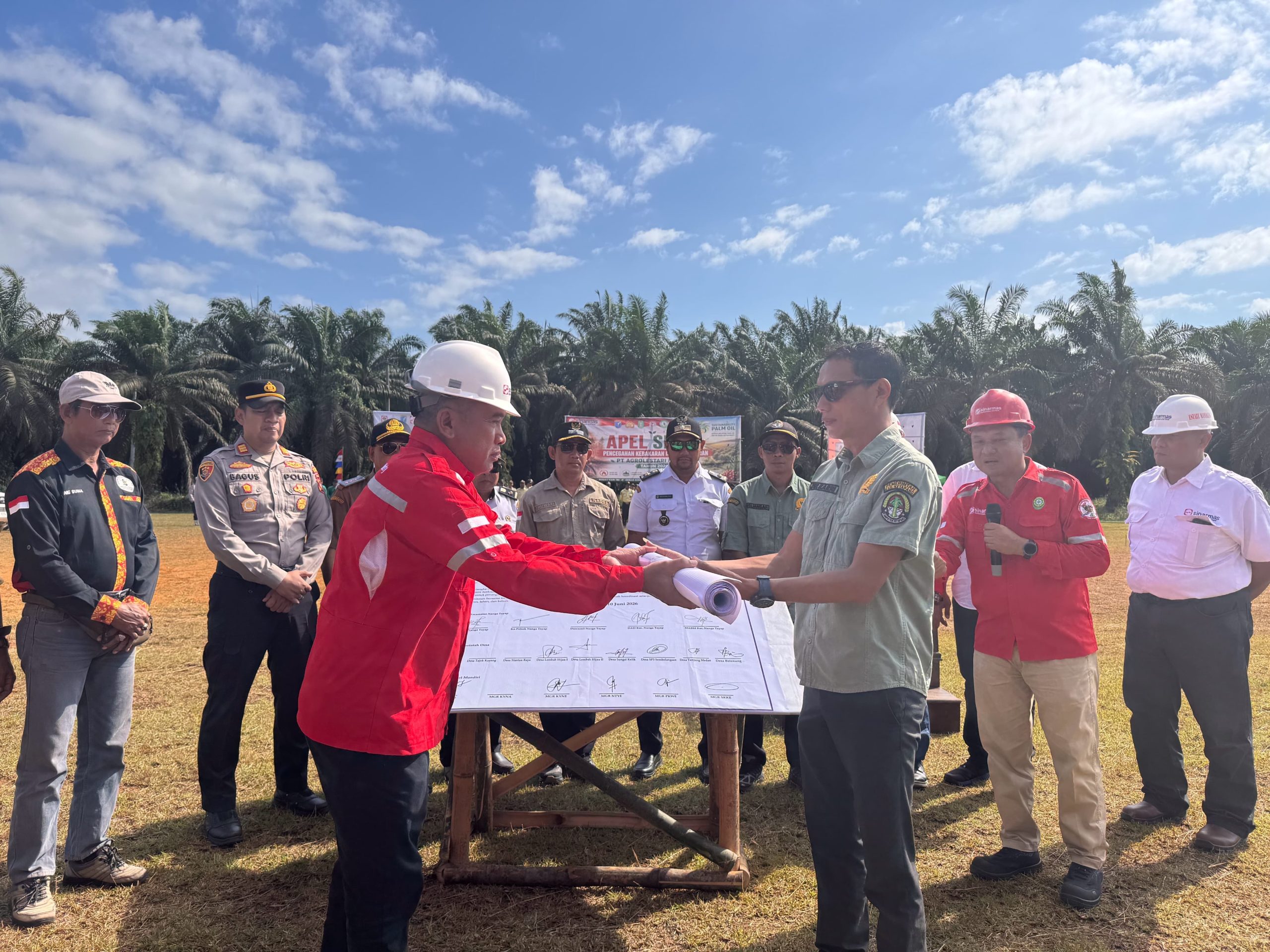
In addition to the readiness exercise, stakeholders signed a joint commitment on wildfire prevention. The programme also included a socialisation session on Ketapang Regency Regional Regulation No. 1 of 2022 concerning Procedures for Land Clearing through Controlled Burning for Local Customary Practices, followed by a wildfire response simulation conducted by the company’s Emergency Preparedness and Response Team (KTD).
Yunifar Purwantoro, Head of the Ketapang Regency Regional Disaster Management Agency (BPBD), emphasised that wildfire prevention requires the involvement of all parties. Serving as the inspector of the readiness exercise, he highlighted that fire risks can arise across different areas, making cross sector collaboration essential.
“Wildfires are not solely the responsibility of the government or BPBD. Prevention requires the involvement of all stakeholders, including government institutions, the private sector, communities, academics, and civil society organisations,” said Yunifar.
Similarly, Rudi Windra Darisman, Head of Operations for Manggala Agni Kalimantan X/Ketapang, noted that early detection systems play an important role in reducing wildfire risks. According to him, the earlier a potential fire is identified, the greater the opportunity to prevent it from spreading.
“The most effective preventive measures are strengthening early warning and early detection systems, including regular hotspot monitoring, integrated patrols, and direct field verification,” Rudi explained.
Sabran, S.Pd., M.H., Head of Nanga Tayap Subdistrict, highlighted the important role of communities in wildfire prevention efforts. He noted that preparedness activities such as the readiness exercise not only strengthen operational readiness on the ground but also provide reassurance to local communities by demonstrating the commitment of multiple stakeholders to preventing fires.
“Wildfires cannot be addressed by any single party alone. This is a shared responsibility between government, companies, and communities. Strong collaboration and communication are therefore essential to ensure potential fires can be detected early and prevented before developing into a larger disaster,” said Sabran.
Bonny Wijaya, CEO of Perkebunan Sinar Mas (PSM) 7, explained that technology can help accelerate risk detection. However, he stressed that technological solutions must be complemented by collaboration and shared awareness among stakeholders.
“Protecting the environment from wildfire risks requires the cooperation of many parties. We therefore continue to strengthen collaboration with government institutions, communities, and stakeholders to ensure prevention efforts can be carried out effectively,” said Bonny.
As the dry season returns each year, wildfire prevention increasingly relies not only on responding when fires occur but also on identifying and addressing risks at an earlier stage. Through a combination of technology, operational preparedness, and collaboration with local communities, stakeholders are working to ensure potential fires can be detected and managed before they escalate.
About Sinar Mas Agribusiness and Food
Sinar Mas Agribusiness and Food, which operates under Golden Agri-Resources (GAR), is one of the leading palm oil plantation companies, with a total planted area in Indonesia of over half a million hectares, including plasma, and works with more than 800,000 smallholders farmers. As part of GAR’s global agribusiness with a seed-to-shelf approach, the company manages an integrated business across the production of food products derived from vegetable oils, and continues to grow with purpose, delivering long-term value through sustainable palm oil production practices.
In Indonesia, the company’s main activities include oil palm cultivation and harvesting, processing fresh fruit bunches into Crude Palm Oill (CPO) and palm kernel, and refining CPO into value-added products such as cooking oil, margarine, shortening, and biodiesel for markets worldwide. The company also operates in China and India, with facilities for processing vegetable oils and food products. In 2025, the company produced approximately 2.8 million tonnes of palm-based products, across more than 30 consumer brands.
Sustainability is an integral part of the company’s operations. In line with GAR’s Responsible Agri-Commodity Sourcing policy and Collective for Impact framework, it is committed to ensuring responsible practices, enhancing supply chain transparency, and delivering positive environmental and social impact. Currently, 99.5% of its palm oil supply chain in Indonesia is traceable to the plantation level, while non-palm commodities are 100% traceable to the mill level.
Its parent company, GAR, was founded in 1996 and listed on the Singapore Exchange in 1999, with a market capitalisation of US$2.8 billion as of 31 December 2025. Flambo International Limited, an investment company, is currently GAR’s largest shareholder, with a 50.56% stake. GAR has several subsidiaries, including PT SMART Tbk, which has been listed on the Indonesia Stock Exchange since 1992. With operations in 14 countries and products sold in over 110 markets, GAR combines global scale with local insight. Beyond palm, GAR is a global trader of sugar, soybean, sunflower, and coconut, supported by strong shipping and logistics capabilities.