


 Our Shared Values
 Our Business
 Our Foundations
 Our Achievements
 Our Governance
 Conservation Management & Monitoring
 Climate Change
 Community Engagement
 Partnerships & Memberships
 Human Rights & Labour
 Responsible Sourcing
 Responsible Production
 Certifications
 Sustainability Report
 Palm-based Food Products
 Other Food Products
 Oleochemicals
 Bioenergy
 Food & Nutrition Innovation
 Press Releases
 Stories
 Meet Our Experts
 In the News
 Publication
 Shareholder Information
 Disclosure of Information
 Financial Information
 Prospective Suppliers
 Support for Palm Suppliers
 FAQ
FAQ Existing Non-Palm Suppliers
 Graduates & Professionals
 Scholarships
 Internships

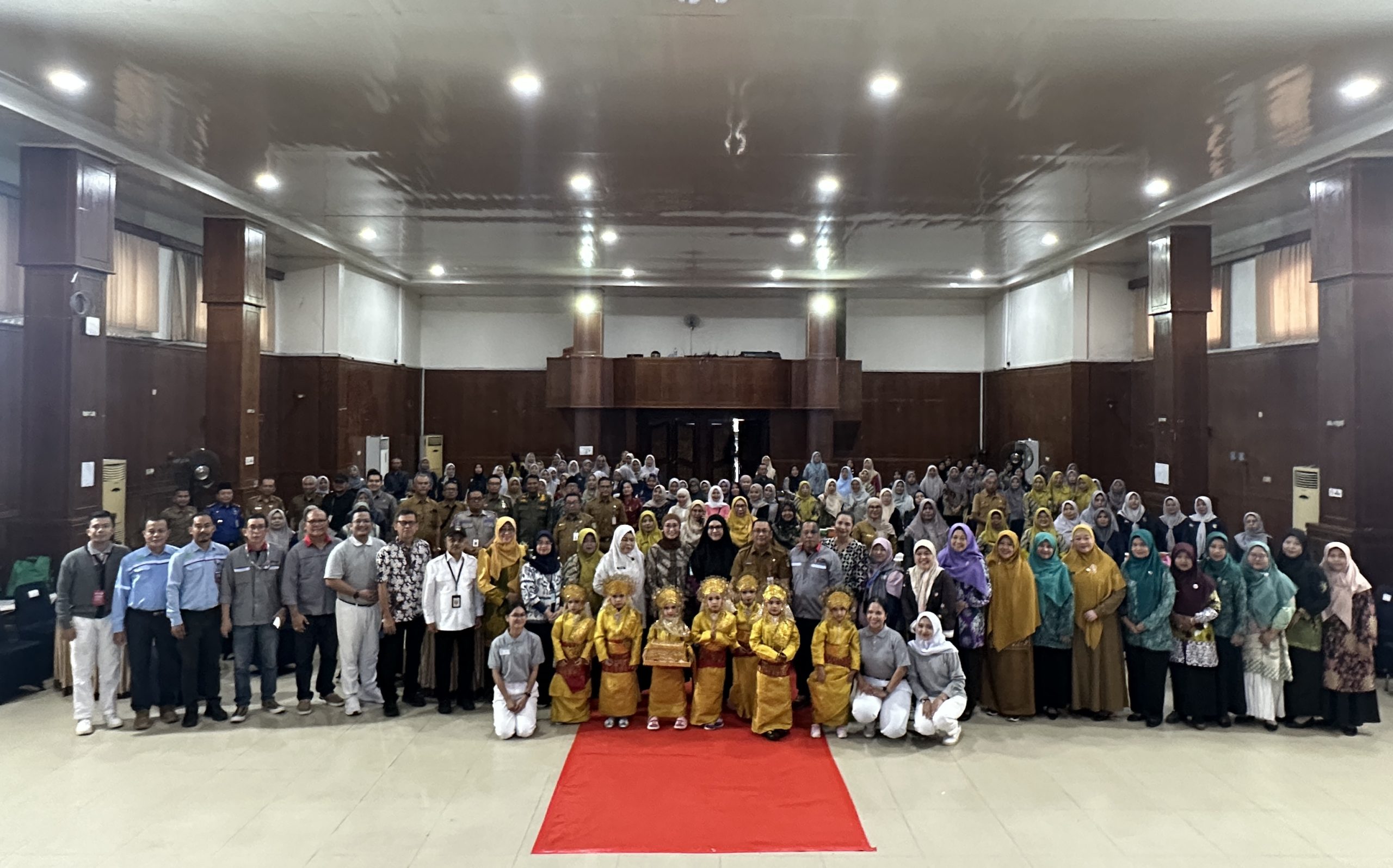
Dumai, Riau, 7 July 2026 – A total of 176 cadres from 41 integrated health service posts (Posyandu) in Sungai Sembilan and Dumai Kota sub-districts took part in a training programme aimed at strengthening their knowledge and skills to support stunting prevention efforts. Through this training, the cadres received guidance on implementing the six Posyandu Minimum Service Standards (SPM) [1] and applying them in their day-to-day work with the community.
The training is part of an ongoing collaboration between PT Ivo Mas Tunggal (IMT), a subsidiary of Sinar Mas Agribusiness and Food, together with PT Energi Sejahtera Mas (ESM) of Sinar Mas Cepsa, Tzu Chi Sinar Mas, and ADM, in support of the Dumai City Government’s efforts to strengthen Posyandu services. The initiative reflects the collaborating organisations’ shared commitment to improving community health and nutrition in the areas where they operate.
The event was also attended by the Ministry of the State Secretariat of the Republic of Indonesia, represented by Mita Apriyanti, Assistant Deputy for Health, Nutrition, and Family Development (Asdep KGPK) at the Office of the Vice-Secretariat of the Republic of Indonesia.
Mita noted that the national decline in stunting prevalence from 30.8 percent in 2018 to 19.8 percent in 2024 was an achievement worth recognising, though the challenges that remain still call for collective effort across multiple parties.
“Stunting isn’t just a matter of nutrition, it’s also tied to the quality of caregiving, access to sanitation, and the broader socio-economic conditions communities face. That’s why accelerating the reduction of stunting can’t rely on health interventions alone, it needs collaboration across many different parties,” she said.
Mita expressed hope that the collaborative model being carried out in Dumai could serve as an example for other regions seeking to strengthen stunting prevention through cross-sector partnerships.
The training carries added significance given that stunting remains a challenge in Dumai City. According to the 2024 Indonesian Nutritional Status Survey (SSGI), the city’s stunting prevalence stands at 16.9 percent. While this figure sits below the national average, it nonetheless points to the need for long-term commitment and continued collaboration to drive further progress.
One of the central topics covered in the training was the implementation of the six SPM at Posyandu level. Through the session, cadres strengthened their understanding of delivering health services, from health education and growth monitoring to community assistance tailored to needs on the ground. The training not only broadened the cadres’ knowledge but also bolstered their confidence in supporting communities through the services provided by Posyandu.
Widyawati, a cadre at Posyandu Sejahtera in Sungai Geniot Urban Village, said the training offered far more than new material to absorb, it also enriched the way cadres engage with communities in their day-to-day Posyandu work.
“This training has given me a clearer understanding of how to apply the six Minimum Service Standards at Posyandu. We also got to swap experiences with cadres from other areas, which gave us a lot of fresh learning,” she said.
In their daily work, Widyawati and fellow cadres do more than weigh and measure toddlers. They also prepare Supplementary Feeding (PMT), deliver it to children experiencing stunting, and follow up to make sure the food is actually being consumed.
Echoing this, Fahmi Rizal, Regional Secretary of Dumai City, said Posyandu cadres play a vital role in supporting communities and therefore need ongoing opportunities to build their knowledge and experience.
“Posyandu cadres need continued support so they can deliver even better services to the community. We hope this collaboration can also inspire more parties to work together in supporting stunting prevention efforts,” he said.
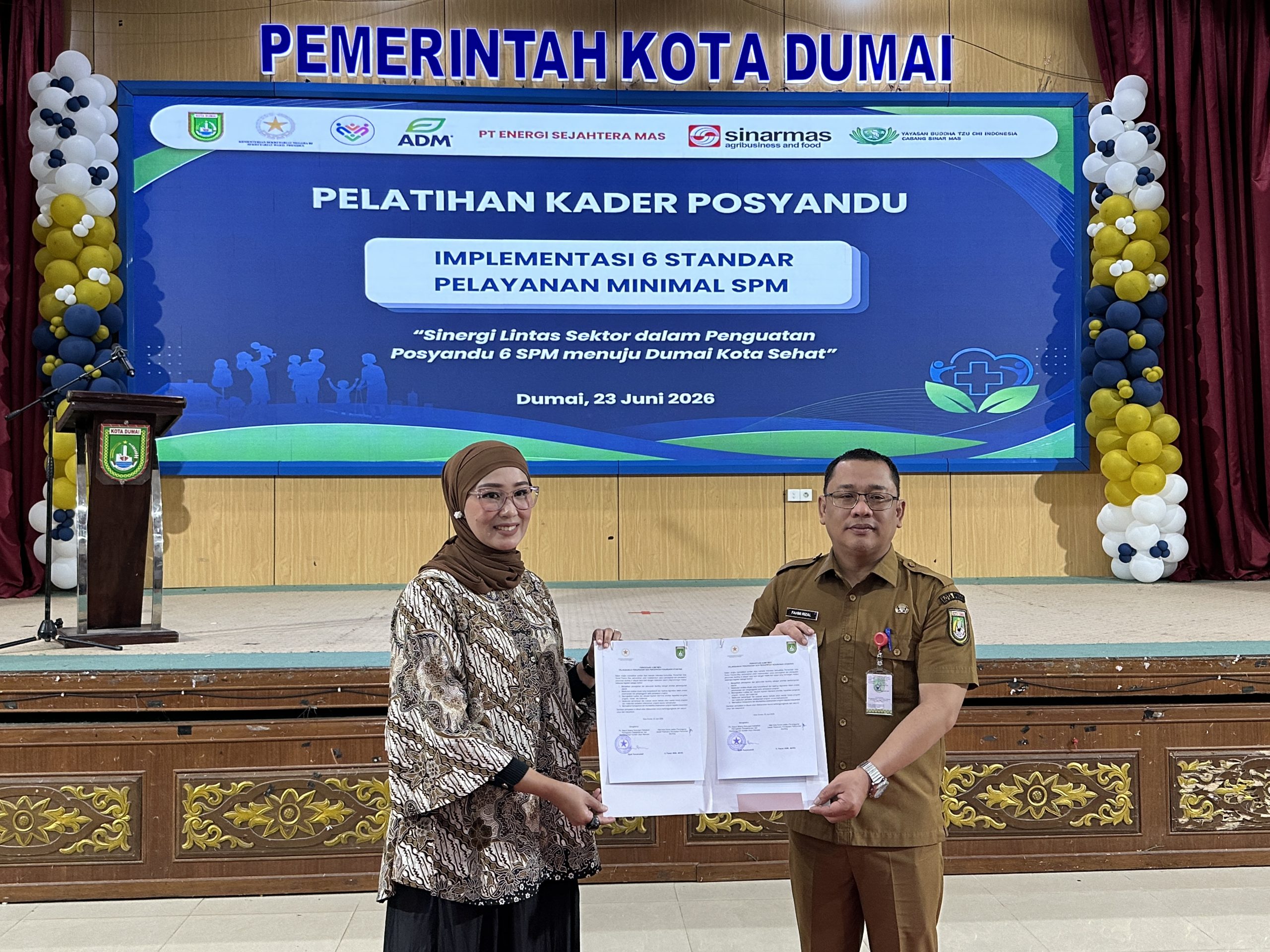
This commitment was further affirmed through the signing of the Dumai City Stunting Reduction Acceleration Commitment by the Regional Secretary of Dumai City together with a representative of the Vice-Secretariat of the Republic of Indonesia. The signing stands as a symbol of shared commitment to strengthening cross-sector synergy in support of sustainable stunting prevention efforts.
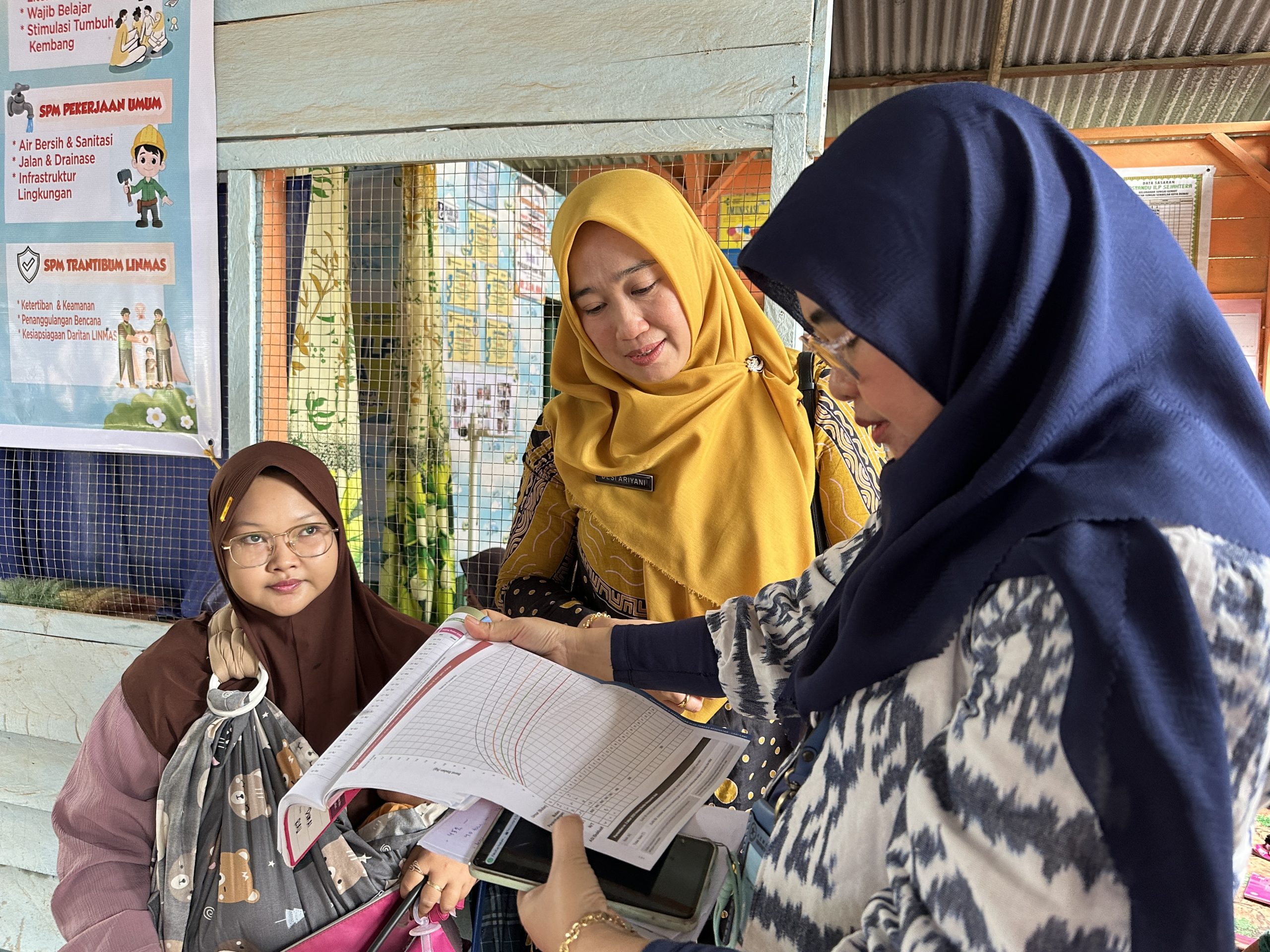
This commitment didn’t end in the training room. Together with the Dumai City Government and Tzu Chi Sinar Mas, the team from the Office of the Vice-Secretariat of the Republic of Indonesia visited Posyandu Sejahtera Buluh Hala in Sungai Geniot Urban Village, the Maternal and Child Integrated Service Unit at Puskesmas Sungai Sembilan, as well as Puskesmas Pembantu (Pustu) Laksamana.
All parties engaged in dialogue with Posyandu cadres, health workers, pregnant women, breastfeeding mothers, parents of toddlers, and elderly residents, gaining a first-hand view of how health services are carried out at the community level. The visit also provided an opportunity to hear directly from residents and to better understand the various opportunities and challenges in stunting prevention, helping ensure the initiatives remain closely aligned with community needs.
Closing out the series of activities, Paulus Tumanggor, General Manager of PT Ivo Mas Tunggal, said cross-sector collaboration is a key factor in ensuring public health programmes can deliver lasting benefits.
“We’re grateful for the support of the Office of the Vice-Secretariat of the Republic of Indonesia, the Dumai City Government, ADM, Tzu Chi Sinar Mas, and everyone who has come together for this initiative. It’s this kind of synergy that keeps efforts on the ground moving forward and delivering real benefits for the community. We hope this collaboration continues to grow, helping raise the quality of public health in Dumai,” he said.
Through the strengthening of Posyandu cadre capacity, the signing of a joint commitment, and direct engagement with community-level health services, this collaboration is expected to further reinforce stunting prevention efforts in Dumai City. The synergy between government, the private sector, health workers, and the community stands as an important foundation for delivering higher-quality, sustainable health services for mothers, children, and families.
1Indonesia’s integrated minimum service framework, which enables Posyandu to support the delivery of essential services across six sectors: health, education, public works, public housing, peace and public order, and social services.