

 Our Shared Values
 Our Business
 Our Foundations
 Our Achievements
 Our Governance
 Conservation Management & Monitoring
 Climate Change
 Community Engagement
 Partnerships & Memberships
 Human Rights & Labour
 Responsible Sourcing
 Responsible Production
 Certifications
 Sustainability Report
 Palm-based Food Products
 Other Food Products
 Oleochemicals
 Bioenergy
 Food & Nutrition Innovation
 Press Releases
 Stories
 Meet Our Experts
 In the News
 Publication
 Shareholder Information
 Disclosure of Information
 Financial Information
 Prospective Suppliers
 Support for Palm Suppliers
 FAQ
FAQ Existing Non-Palm Suppliers
 Graduates & Professionals
 Scholarships
 Internships
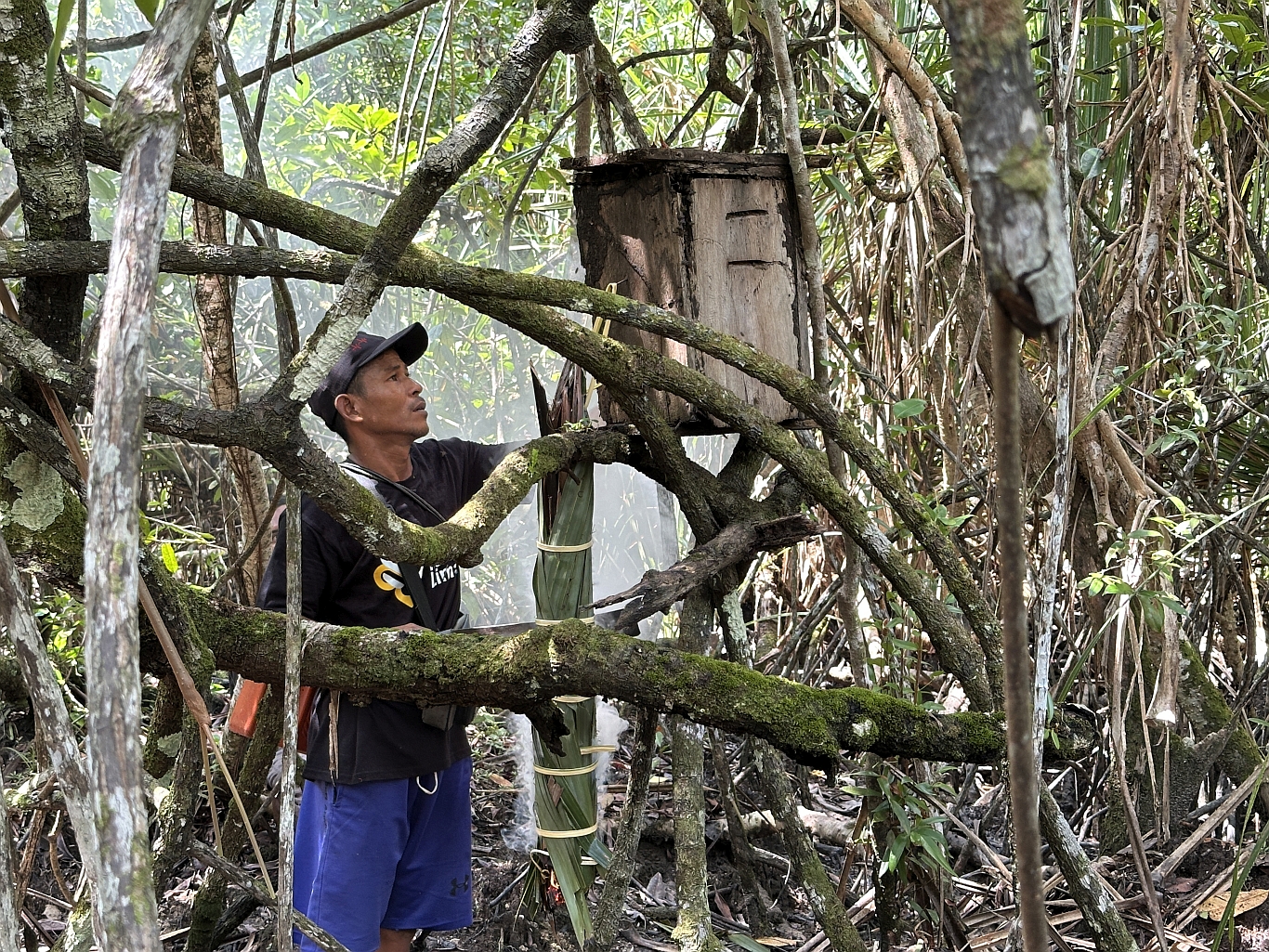
Pangkalberas, West Bangka, 26 June 2026 – Few believed Kusman would make a success of it when he began cultivating honey in Limang Hamlet, Pangkal Beras Village, West Bangka Regency, back in 2016. Armed with little more than knowledge he had taught himself online and a modest amount of capital, he pressed ahead with a honey business that many of those around him dismissed as a long shot.
His interest had been sparked by watching honey businesses flourish in other parts of Indonesia. It left him wondering why honey from Bangka couldn’t achieve the same recognition as similar products from elsewhere in the country.
Convinced there was an opportunity worth pursuing, Kusman set up 50 honey logs, each measuring roughly 25 by 50 centimetres. The outlay came to around Rp100,000 per log, with each one needing to yield at least a kilogram of honey simply to break even.
“At first, people laughed at me. They said there was no money in it and that it wouldn’t last. But I thought that if I never tried, I’d never know how far Bangka honey could really go,” Kusman recalled.
A month after his first attempt, Kusman brought in his maiden harvest. That early success became the spark that drove him to keep expanding the business, gradually increasing his log count along the way.
The journey was far from straightforward, however, since honey production depends heavily on nature’s timing. The main harvest typically comes round just once a year, while subsequent yields hinge on flowering seasons and weather conditions that can shift at a moment’s notice.
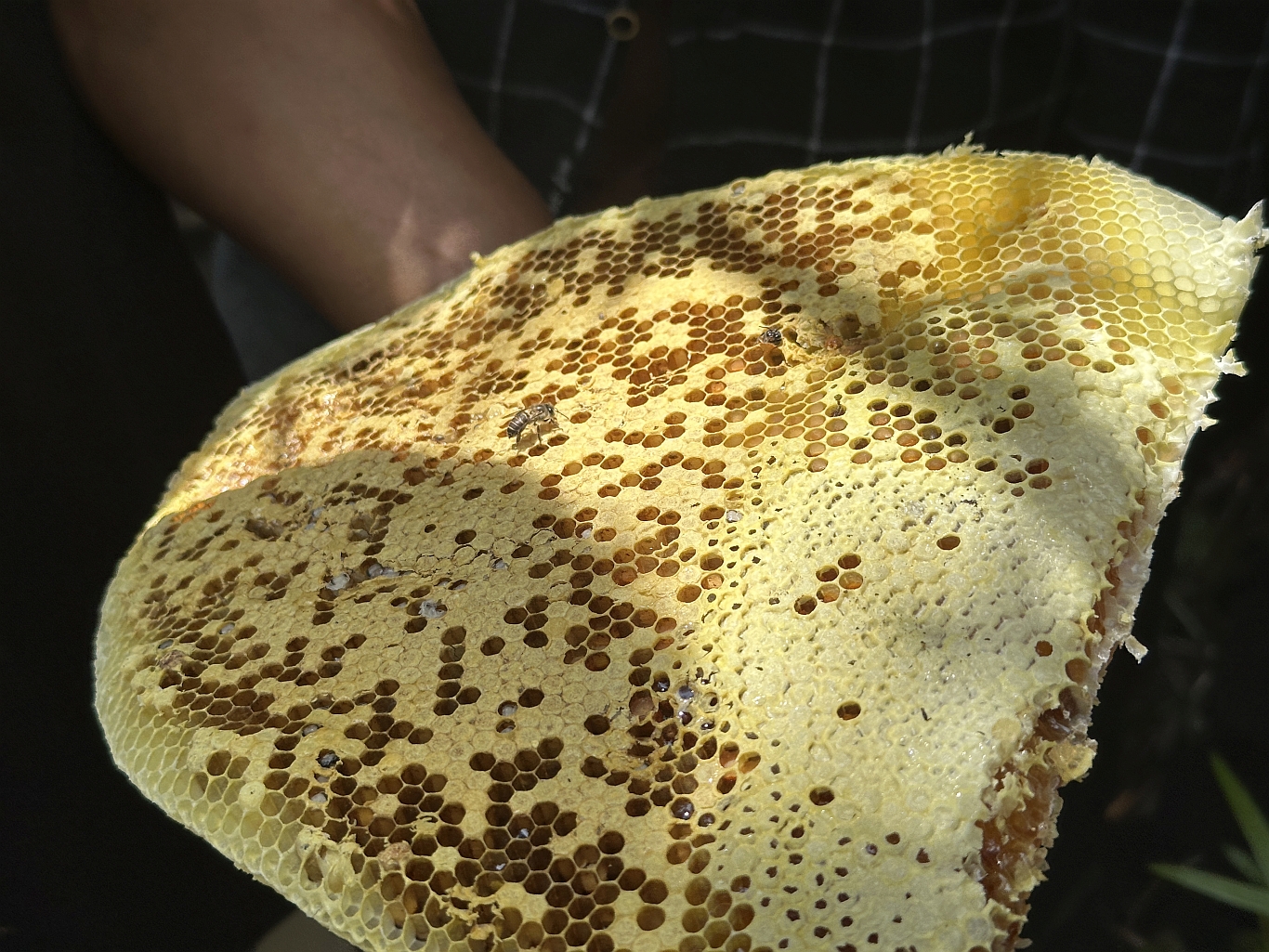
Kusman now cultivates three distinct varieties of honey, each with its own character. There’s Apis dorsata honey, drawn from the pelawan, perepat and rempudung trees; the thicker, richer Apis cerana honey; and Trigona stingless bee honey, prized for its distinctive sweet-and-bitter flavour.
Of the three, Apis cerana honey has become a particular focus of development, now supported through a mentoring programme run by PT Bumi Permai Lestari (BPL), a subsidiary of Sinar Mas Agribusiness and Food. This variety holds strong potential for sustainable growth, as it can be cultivated and managed more predictably by local communities.
That perseverance paid off when Kusman won third place in the micro-enterprise category at the 2018 Outstanding MSME Awards for Bangka Belitung Islands Province. A recognition that only deepened his belief that beekeeping could become a genuine livelihood for the surrounding community.
The momentum Kusman had built also gave rise to the Padang Harapan Limang Forest Farmers Group (KTH) in 2017. The group has since grown to 25 members, all working together to develop honey and other non-timber forest products across their local area.
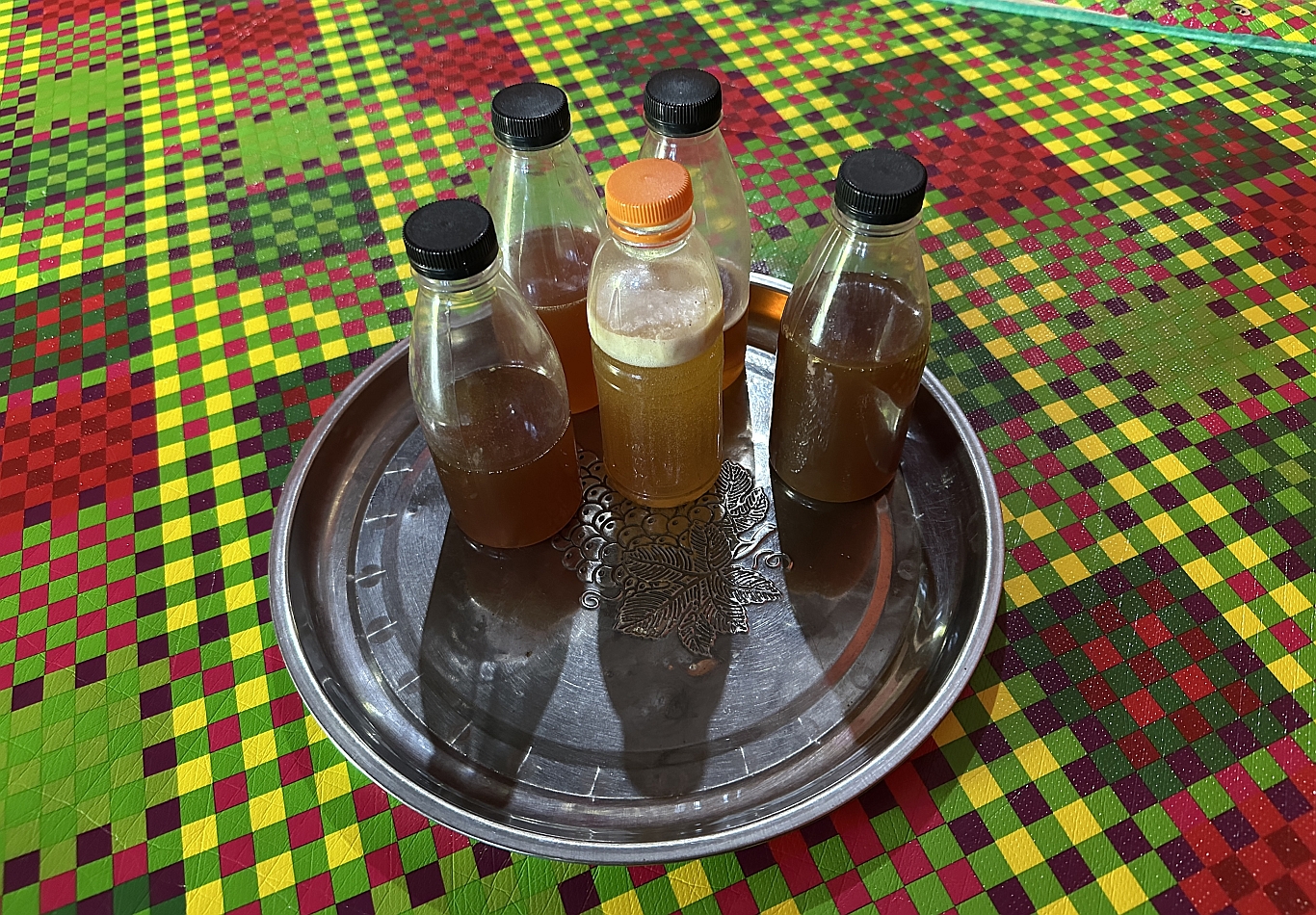
Since 2025, PT Bumi Permai Lestari (BPL) has been mentoring the Padang Harapan Limang Forest Farmers Group through a community empowerment programme focused on growing the honey business and other non-timber forest products. The initiative forms part of the company’s wider efforts to help safeguard forest conservation while opening up economic opportunities for nearby communities.
Beekeeping was chosen specifically because it delivers economic value without depleting forest cover. As bees depend entirely on flowering vegetation, communities are encouraged to protect the trees and plants that sustain them. Building greater awareness of why the forest matters in the process. The approach is designed to support sustainable agroforestry, ease pressure on more destructive forms of forest exploitation, and help communities capture real economic value from non-timber forest products.
For the people of Limang Hamlet, honey has come to mean far more than a commodity harvested from the wild. It has become a reason in itself to protect the forest that has long served as both a feeding ground for bees and a source of livelihood for the community.
In October 2025, PT Bumi Permai Lestari (BPL) provided support in the form of 50 honey logs and five sets of protective equipment to help the group grow its business. That support has already borne fruit: the group has harvested around 20 kilograms of honey from the 20 logs now in production. But for Kusman, the biggest challenge these days isn’t producing honey – it’s getting it in front of a bigger market.
With that in mind, the mentoring provided by the company and Sekolah Tani Indonesia has expanded beyond production alone to strengthen the business side of things too – from building a brand identity and designing packaging and labels suited to honey’s particular qualities, through to sharpening business administration and widening sales channels. Until now, the bulk of sales have relied on repeat customers and word of mouth across neighbouring villages.
“Most of the people who buy from us so far have come because they already know us, or heard about us through word of mouth. My hope is that one day, when people go looking for honey from Bangka, the products from Limang Hamlet will be the ones they choose,” said Kusman.
Today, honey from the Padang Harapan Limang Forest Farmers Group is also being used as a gift item at events involving PT Bumi Permai Lestari (BPL) and its partners. A deliberate step towards introducing the product to a wider audience and unlocking new market opportunities for the group.
“Every region has its own unique local potential. Through this mentoring programme, we want to help the community strengthen the business side of things, so that honey from Limang can reach a wider market and create more value. We hope this initiative continues to grow and supports the community’s economic resilience through a range of sustainable, and productive ventures,” explained Ismail Arsyad, Regional Controller PT Bumi Permai Lestari (BPL).
This community empowerment programme sits under the Bright Future Initiative, Sinar Mas Agribusiness and Food’s network for accelerating micro, small and medium enterprises (MSMEs), which has so far helped 163 MSMEs bring 280 projects to life across the company’s operational areas in Indonesia.
That ambition marks the next chapter for the Padang Harapan Limang Forest Farmers Group. Having proven that honey can become a genuine source of livelihood for the community, the group is now working to ensure this product of Limang Hamlet reaches far more consumers, both within Bangka Belitung and well beyond it.