

 Our Shared Values
 Our Business
 Our Foundations
 Our Achievements
 Our Governance
 Conservation Management & Monitoring
 Climate Change
 Community Engagement
 Partnerships & Memberships
 Human Rights & Labour
 Responsible Sourcing
 Responsible Production
 Certifications
 Sustainability Report
 Palm-based Food Products
 Other Food Products
 Oleochemicals
 Bioenergy
 Food & Nutrition Innovation
 Press Releases
 Stories
 Meet Our Experts
 In the News
 Publication
 Shareholder Information
 Disclosure of Information
 Financial Information
 Prospective Suppliers
 Support for Palm Suppliers
 FAQ
FAQ Existing Non-Palm Suppliers
 Graduates & Professionals
 Scholarships
 Internships
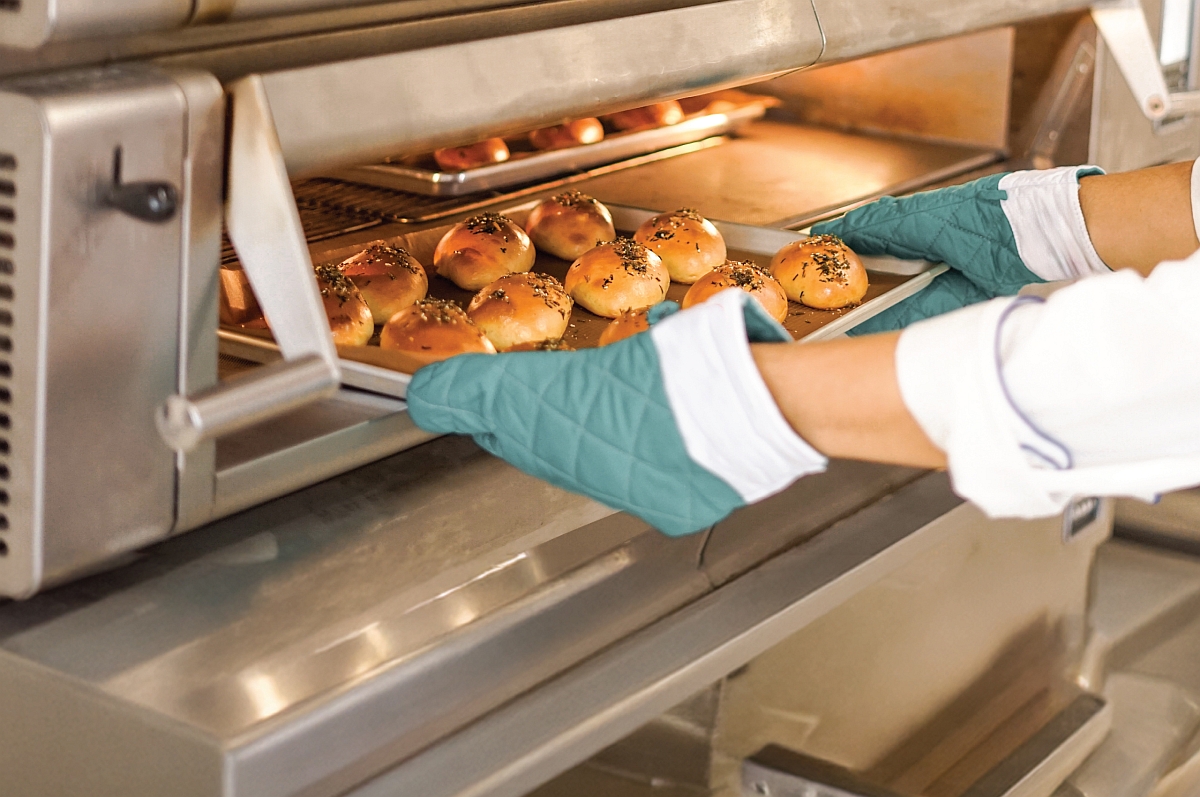
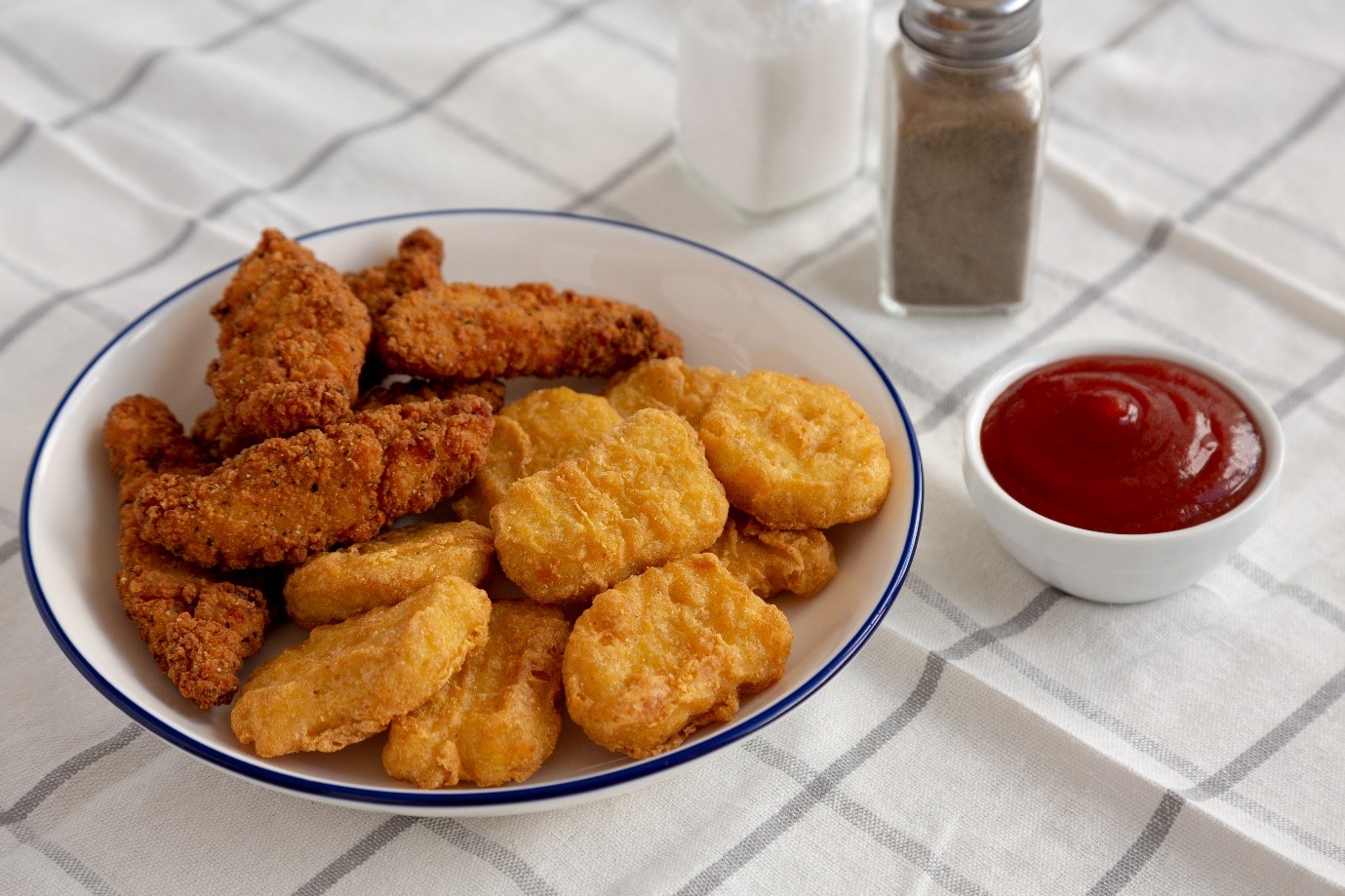
We are the brand behind several of Indonesia’s popular consumer food brands. These include cooking oils, margarine and shortening.
These products, made in four halal-certified plants in Indonesia under careful supervision, are loved not only in Indonesia, but also across continents – Asia, Africa, Europe, the Americas and Australia.


But halal isn’t just restricted to food and beverages anymore. “In the past, the halal label was associated mainly with food and beverage products. But it has now expanded into other sectors including cosmetics, health products and fashion, as well as services like tourism, packaging, and distribution services,” noted Karyanto Edi Mulyono, R&D Non-Category Head of Sinar Mas Agribusiness and Food. This broadening of halal certification reflects a global trend driven by growing religious awareness and a rising Muslim population, factors that increase customer demand for products that comply with Islamic laws.
Indeed, with the global Muslim population reaching nearly a quarter of the world’s population, the market for halal products is vast and growing. This demographic shift is expected to push Muslim spending to USD 2.4 trillion by 2024.
In Indonesia, where the majority of the population is Muslim, the importance of halal certification is particularly pronounced.
And with new Indonesian regulations making halal certification mandatory from October 17, 2024, the stakes are high. “This will certainly amplify the halal trend next year,” Karyanto anticipates.
“We make our commitment clear with complete halal certification. Every one of our products has been halal certified since 1999, catering to both local and international markets,” he further explained.
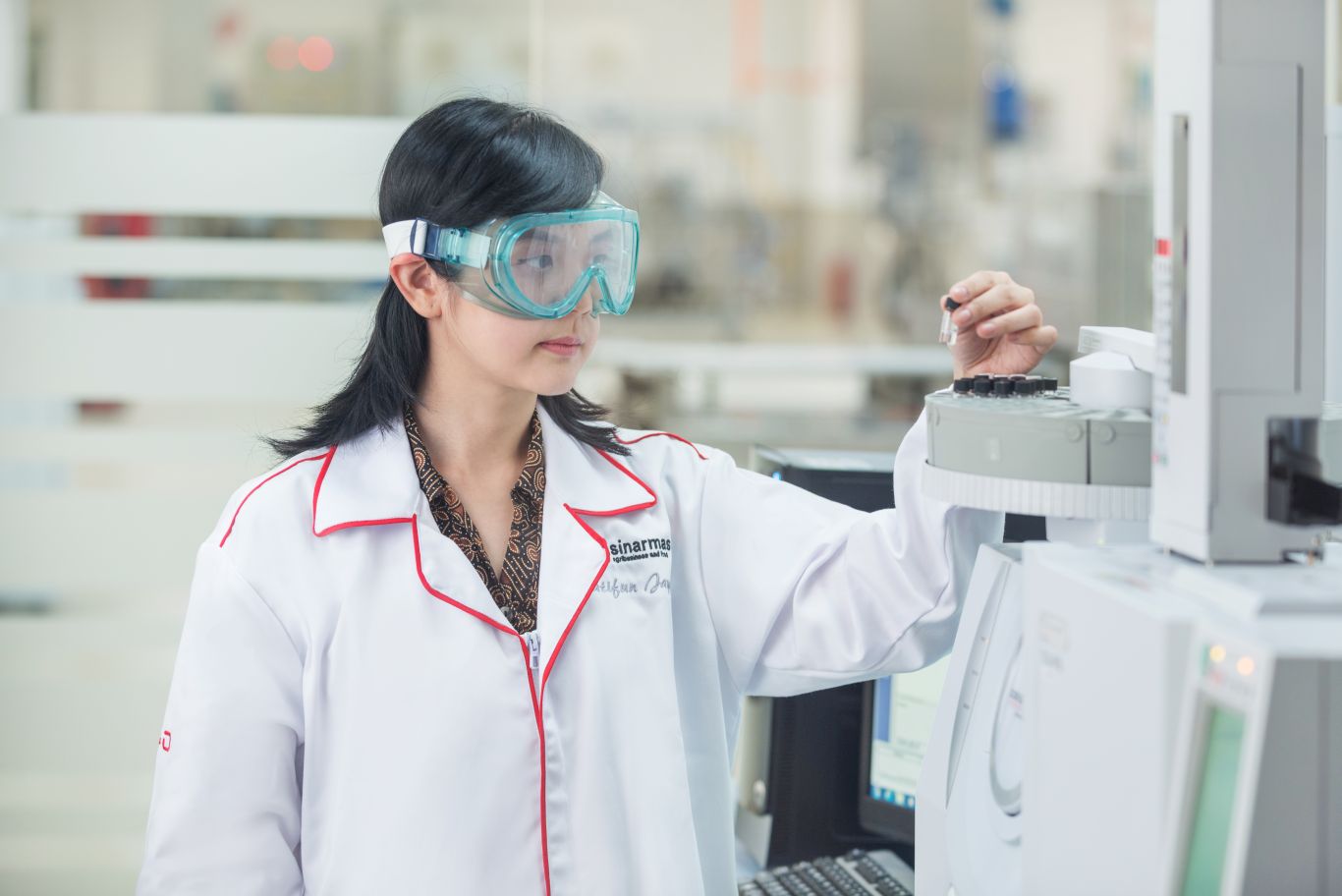
We also consistently maintain strict compliance with established halal standards. “Our Halal Assurance System has always maintained an A rating,” said Karyanto. This is supported by our specially-formed halal management team that oversees these standards across all our plants in Indonesia.

This certification is also advantageous when targeting export markets with a high demand for halal goods such as the Middle East, Africa, and South Asia. By meeting the rigorous halal standards, we not only comply with local regulations but also gain access to these lucrative markets.
Ultimately, our dedication to halal certification reflects our broader commitment to excellence and customer satisfaction. It’s about staying true to what our customers need and consistently improving the quality and integrity of our operations to match their evolving expectations.
Originally written by Halal Review. This article has been repurposed here with permission.
—