

 Our Shared Values
 Our Business
 Our Foundations
 Our Achievements
 Our Governance
 Conservation Management & Monitoring
 Climate Change
 Community Engagement
 Partnerships & Memberships
 Human Rights & Labour
 Responsible Sourcing
 Responsible Production
 Certifications
 Sustainability Report
 Palm-based Food Products
 Other Food Products
 Oleochemicals
 Bioenergy
 Food & Nutrition Innovation
 Press Releases
 Stories
 Meet Our Experts
 In the News
 Publication
 Shareholder Information
 Disclosure of Information
 Financial Information
 Prospective Suppliers
 Support for Palm Suppliers
 FAQ
FAQ Existing Non-Palm Suppliers
 Graduates & Professionals
 Scholarships
 Internships
There is a common misconception that with development and indigenous groups, it is always one or the other. You often hear about conflicts and clashes which cause disruptions to work and the way of life for both parties. But thanks to close communication and common understanding, GAR’s relationship with the Suku Anak Dalam tribe is an example of co-existence that brings win-win outcomes.
Our operations in the province of Jambi have been co-existing with the Suku Anak Dalam tribe since the start of our plantation development. At the time, they built temporary camps around our plantations and shifted locations every few months, never settling in a single place according to their way of life.
The Suku Anak Dalam are an indigenous tribe in Indonesia, who have over time maintained their customary ways of life. They gather, fish, set traps, and hunt for food, live and organise themselves in family groups. Also, they value the environment, for example, by not using chemicals for washing in order to avoid polluting waterways. They have a population just under 6,000 people, scattered between Jambi and South Sumatra.

As part of our corporate social responsibility, our operations work with the Tzu Chi Foundation to regularly provide provisions and services to the Suku Anak Dalam groups living near our operations in Jambi. In 2019, we conducted health checks and supplied basic food supplies, such as rice and cooking oil, to 11 communities benefitting approximately 1,089 Suku Anak Dalam members.

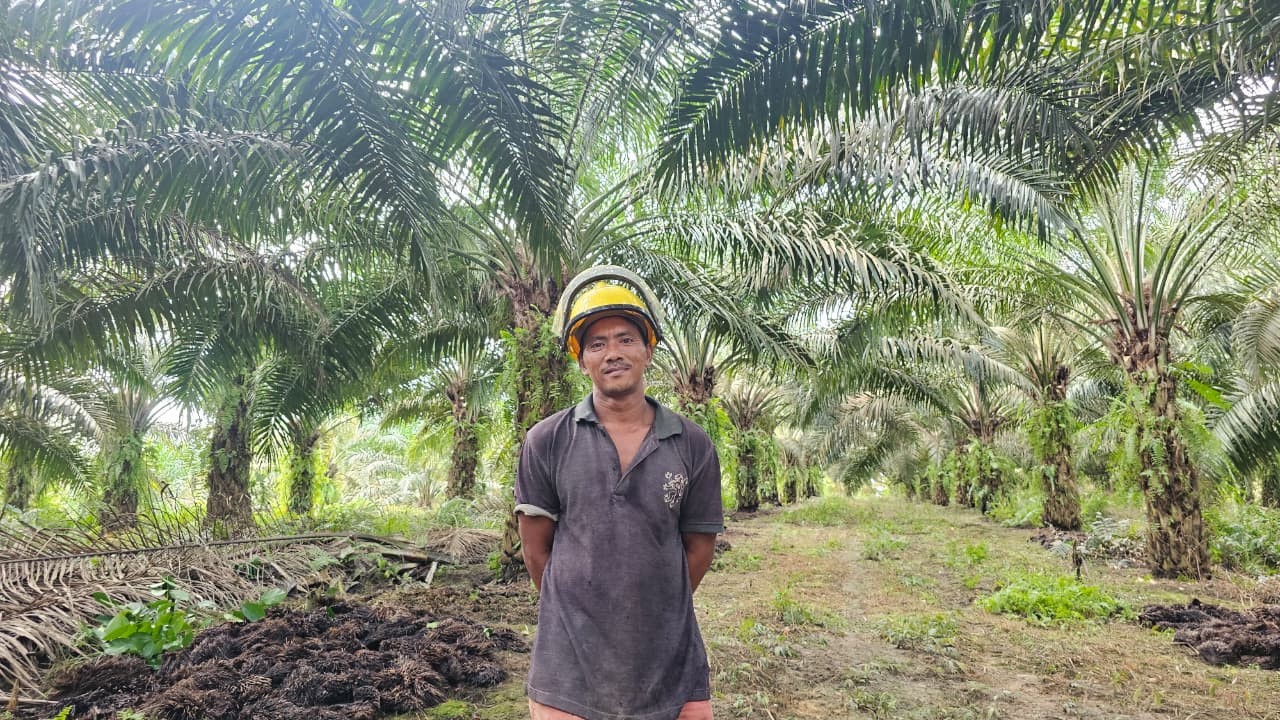
With some communities, our engagement goes deeper. In the village of Gurun Tuo consisting of 34 households, children attend the company-funded primary school while a number of the adults work for our company. These adults enjoy a steady income and their families receive benefits such as regular food donations and medical assistance from the company’s clinic.

“My tribe and the company have been communicating well one another. The company has been listening to us and supporting us according to their abilities. The relationship has been peaceful and mutually beneficial,” says Pak Menti, a Suku Anak Dalam member who serves as village head in the Sungai Terap area, Jambi.
Like in any relationship, parties need to communicate and invest in order to make it work and to achieve win-win outcomes. GAR is doing this in Jambi and in other provinces. It is part of our vision of what sustainable palm oil should look like.
More about how we work with indigenous people to prevent forest fires here.