

 Our Shared Values
 Our Business
 Our Foundations
 Our Achievements
 Our Governance
 Conservation Management & Monitoring
 Climate Change
 Community Engagement
 Partnerships & Memberships
 Human Rights & Labour
 Responsible Sourcing
 Responsible Production
 Certifications
 Sustainability Report
 Palm-based Food Products
 Other Food Products
 Oleochemicals
 Bioenergy
 Food & Nutrition Innovation
 Press Releases
 Stories
 Meet Our Experts
 In the News
 Publication
 Shareholder Information
 Disclosure of Information
 Financial Information
 Prospective Suppliers
 Support for Palm Suppliers
 FAQ
FAQ Existing Non-Palm Suppliers
 Graduates & Professionals
 Scholarships
 Internships
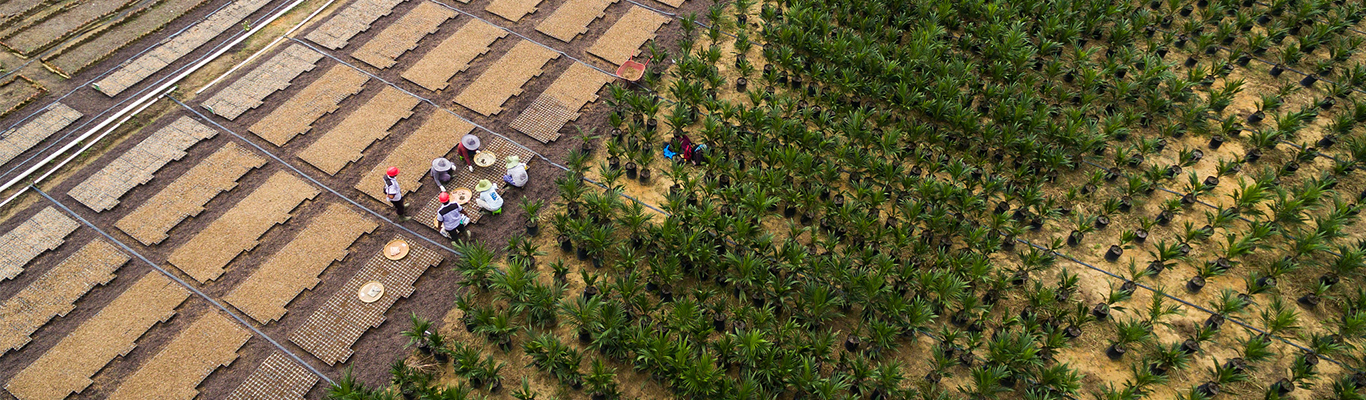
We just launched the GAR Sustainability Report 2023, celebrating the progress we’ve made over the past year in delivering our commitment to responsibly produced palm oil. ‘Behind the number’ explores the people driving our sustainability efforts.

Q: What is your current role and responsibilities in GAR’s sustainability initiatives?
Fauzan: I lead our efforts to make our supply chain more responsible at GAR by helping our suppliers get better at producing palm in a way that’s good for the planet. We do this by training them and helping them understand and follow our commitment to avoid deforestation, peat damage, and exploitation.
My team and I lean on the GAR Social and Environmental Policy (GSEP) checklist and build other training materials for suppliers. Plus, we’re the technical support for third-party suppliers; we help them troubleshoot and improve their sustainability practices.
Q: What key numbers or metrics are your focus and why is tracking this progress important for GAR’s sustainability goals?
Being able to track and follow the path or history of something, like a product, to know where it came from and where it’s been.
Fauzan: Traceability is our top focus. I’m happy to share that we have achieved 99 percent Traceability to the Plantation (TTP) for our palm supply chain in Indonesia. Now that we have reached this milestone, as well as full traceability to estates, our next step is to focus on supporting smallholders to get them on board too to reach 100 percent.
Traceability is vital for a transparent and responsible supply chain. It allows us to offer responsibly produced products to our customers and makes sure we’re well-prepared for upcoming regulations like the EU Deforestation-Free Regulation (EUDR).

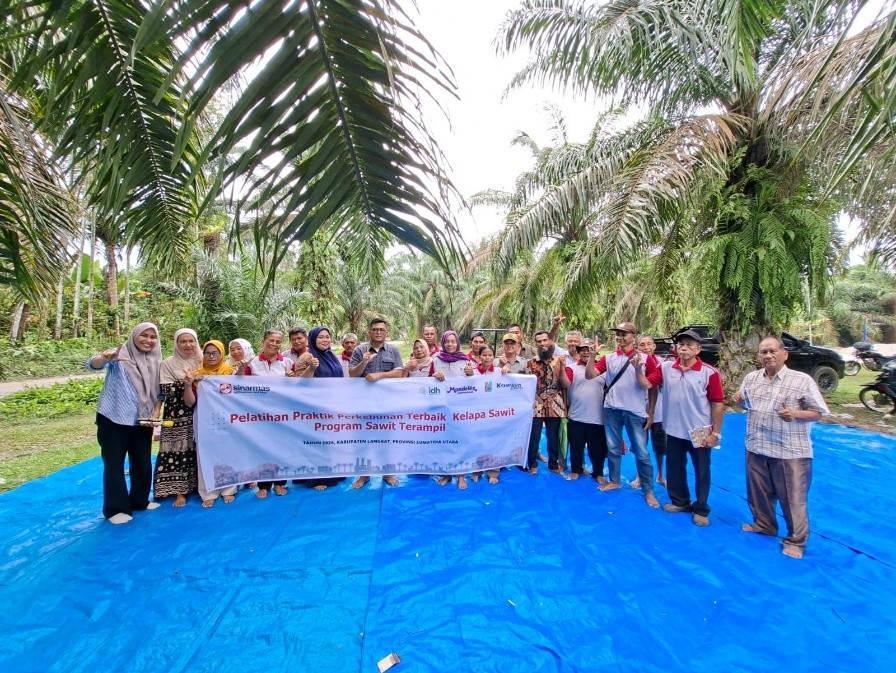
Another key metric I’m focusing on is the number of upskilled smallholders under our flagship initiative Sawit Terampil. As of 2023, we’ve trained over 7,000 independent smallholders in Aceh and North Sumatra in Good Agriculture Practices and supported 270 smallholders in getting their RSPO certifications.
Why is this important? It’s because when farmers are resilient, our supply chain is strong. If our raw materials are produced sustainably and responsibly, we give our buyers and customers confidence, while staying true to our commitment to sustainability.
Q: What specific projects or initiatives are you working on to help achieve these goals?
Fauzan: I would say that the Sawit Terampil initiative has really pushed the envelope, not only in smallholder empowerment, but in overall supplier transformation. This initiative brings together GAR, farmers, field facilitators, agents and dealers, and buyers, all of whom share a commitment to sustainable production.

“We believe that smallholders are a critical piece of the puzzle to improve the industry. That’s why we focus on scaling up our efforts to help the farmers become more sustainable.”
Q: What challenges have you encountered in achieving these milestones, and how have you addressed them?
Fauzan: One of the main challenges I face is that not all parties, such as palm oil mills, agents, dealers, or farmers, are willing to participate. Some are hesitant due to concerns about potential cost increase or changes to their current practices. We don’t impose coercion or sanctions on those who opt out. Instead, we prioritise those who are willing and keep our communication lines open with those who aren’t ready yet.

We also face challenges in scheduling meetings with farmers and collecting necessary data, such as legality documents and other confidential information. Many farmers are busy, not to mention oftentimes they are based in different areas, making it difficult to find suitable times for meetings. It’s essential to clearly explain from the start why this information is needed and how it will be used to gain their trust and cooperation.
Q: Can you share a personal story or lesson that illustrates the real-world impact of these efforts beyond the numbers?
Fauzan: The real-world impact of what we do with farmers goes beyond the numbers.
One story that stands out to me involves a supplier named Pak Syahid. Initially, he joined our Supplier Transformation activities just to fulfil an invitation from GAR. He believed it was important to maintain a good relationship between suppliers and buyers.
But over time, Pak Syahid’s perspective changed. He realised these activities weren’t just a business formality, but a chance to learn and grow. Since 2018, he’s been actively joining our programmes, like safety training and traceability workshops.
Seeing people like Pak Syahid going from a hesitant participant to an enthusiastic learner is rewarding to me. It shows that our efforts in driving a mindset shift and empowering farmers can make a big difference for many.

Q:What future goals do you have for continued progress in these numbers?
Fauzan: Our goal is to reach 100 percent TTP and NDPE “Delivering” by 2025. To get there, we’re sticking to what we do best – teach and support farmers in their transformation journey. We aim to train 100,000 farmers by 2035. Right now, we’re focusing on several initiatives, including our recurring engagement programmes and technical support, like SMART SPOT, SMART Social and Environmental Excellence Development (SMART SEED), and Sawit Terampil. We hope that all these efforts will help strengthen our supply chain and contribute to a better palm industry.
—–
Fauzan is just one of our “People Behind the Numbers”. Read more here
Explore the full GAR’s Sustainability Report 2023 and discover how we’re transforming sustainable palm oil.
—–