

 Our Shared Values
 Our Business
 Our Foundations
 Our Achievements
 Our Governance
 Conservation Management & Monitoring
 Climate Change
 Community Engagement
 Partnerships & Memberships
 Human Rights & Labour
 Responsible Sourcing
 Responsible Production
 Certifications
 Sustainability Report
 Palm-based Food Products
 Other Food Products
 Oleochemicals
 Bioenergy
 Food & Nutrition Innovation
 Press Releases
 Stories
 Meet Our Experts
 In the News
 Publication
 Shareholder Information
 Disclosure of Information
 Financial Information
 Prospective Suppliers
 Support for Palm Suppliers
 FAQ
FAQ Existing Non-Palm Suppliers
 Graduates & Professionals
 Scholarships
 Internships
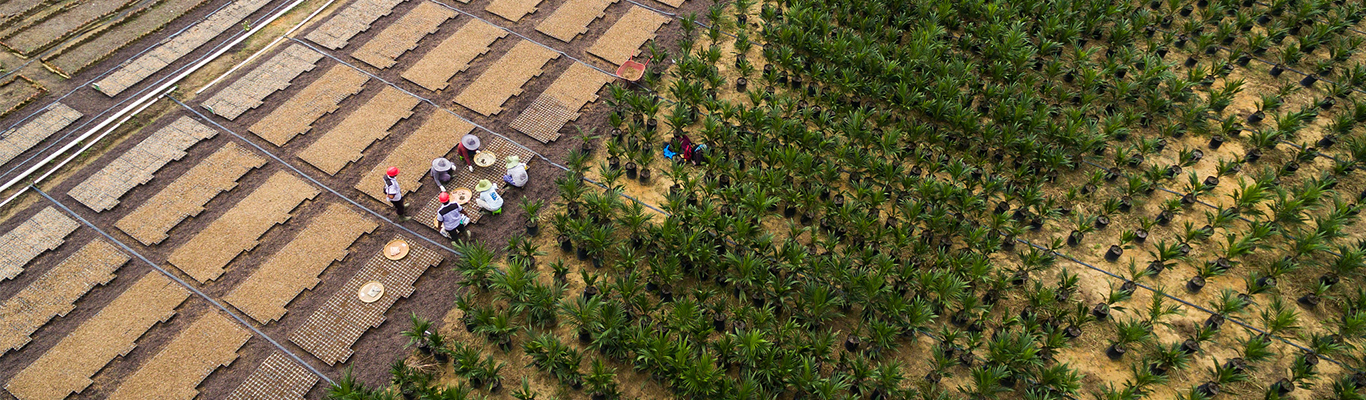
What does it take to bring sustainable, high-quality food products to your table from halfway around the globe? It’s more than just logistics – it’s a story of innovation, resilience, and a deep understanding of global challenges.
Discover the stories of our leaders from China, Europe, and Pakistan who are shaping our impact in the global agribusiness landscape. From China’s dynamic market to Europe’s evolving landscape, and South Asia’s unique challenges, they share how they’re navigating their regions’ complexities, driving innovation, and preparing for the future.

Li Dong
CEO of Sinar Mas Agribusiness and Food China

Maarten van der Hoeven
Senior Vice President and Head of GAR Europe & Latin America

Imran Nasrullah
Managing Director – Business Development for Africa, Middle East, and South Asia
Question (Q): Can you share about our presence in the region and what innovative solutions are you implementing to remain competitive in the market?
Li Dong: Our journey in China began nearly 30 years ago, in 1994, when we entered the market by acquiring a major instant noodle business. From there, we built our agribusiness from the ground up. Thanks to the guidance and support from our Chairman, Mr. Franky Widjaja, as well as the dedication of our local team, we’ve turned things around.
Shanghai serves as our headquarters, housing our finance, trading, marketing, and R&D teams. In Ningbo, we operate an integrated facility with port storage, crushing, and refining capabilities. We also have five strategically-placed factories across China that produce a range of food products, including our renowned instant noodles and snacks.
Today, our food business outperforms the industry average in profitability, and our agribusiness continues to grow steadily. A big part of that success comes from attracting and keeping top talent, which is reflected in the growth of our team, with around 300 employees in agribusiness and 1,200 in our food division. This has helped us boost efficiency, especially in agribusiness, without needing major new investments.

Our food production plant in Shaoguan, China


Maarten: We started over a decade ago in the Netherlands, with just two of us, and since then we’ve expanded across Europe and Latin America (LatAm), including Spain, Brazil, Colombia, Mexico, and soon Italy. What started as a small operation as a commodity player has grown into a value-added solutions provider across Europe, all while building a strong, knowledgeable team that understands the unique needs of our customers.
One of the highlights of our journey has been the rise of GoNutri. We saw a market gap where farmers faced low productivity and high feed costs, and GoNutri became the solution. In its distribution, we’ve shifted from just supplying bulk commodities to direct distribution of value-added products. This approach has allowed us to establish reliable distribution channels in regions like Iberia and Northern Europe, particularly with our GoNutri business, which has been a big success.
As demand for sustainable products grows, our commitment to sustainability, including our readiness for the EU Deforestation Regulation (EUDR), gives us a strong competitive edge in the market. It enables us to provide responsibly produced products that bring added value to our customers.

Our office in Central Park Utrecht, the Netherlands, which houses more than 40 employees and is
the largest outpost GAR’s Europe and LatAm network
Image credit: Central Park Utrecht

Imran: We have come a long way since the inception of our journey in Pakistan in 2013. Initially, we only supplied palm olein to the local brands to refine. Over the years, we diversified our presence across the edible oils and fats industry; we found our niche in the confectionery and snack industries, which offered room for growth, and began offering packed products which include shortening, margarine, and specialty fats.
More recently, we have also entered the oleochemicals sector. We kicked off GAR Pakistan’s oleochemicals sales with our animal feed business, GoNutri, and later also began supplying key ingredients for soap and shampoo manufacturers. What began with a focus on building the right team – assembling food scientists, dairy experts, and passionate individuals – has evolved into a robust regional operation. Pakistan is just the beginning and our vision is to extend this model across the Africa, Middle East, and South Asia (AMESA) region.

Our new workspace in Karachi, Pakistan – a hub for our business in AMESA region

Q: What makes your market unique, and what specific challenges and opportunities do you encounter in this region?
Li Dong: China’s food industry is vast and dynamic, making it both a challenging and exciting market to operate in. Economic uncertainty here has led to business closures and more cautious consumer spending. We missed out on some growth opportunities between 2014 and 2020, which put us behind market leaders in size. But now, we’re clawing back market share and keeping up solid profitability. A current challenge we face is our limited operational reach, with only one major site in Ningbo, which restricts our ability to handle larger vessels.
Maarten: Europe and Latin America are incredibly diverse — it’s what makes working in these regions so challenging but also quite interesting with their different approaches and regulatory landscapes. Success here requires adaptability and collaboration, that’s why we focus on building teams that can think on their feet and work well together.
A key challenge, particularly in Europe, is the upcoming EU Deforestation-free Regulation (EUDR). While it may pose challenges, we view it as an opportunity. We have been a pioneer in sustainability, not because it’s required, but because we believe in it. This gives us a competitive edge as demand for sustainable products grow.
Imran: Pakistan, like much of the AMESA region, is unique because of its rapid growth and evolving consumer demands, especially in food and dairy sectors. The country still has a long way to go in terms of implementing best agricultural and dairy management practices. This is where we can come in, and share what we have learnt as corporate farmers in Indonesia with the domestic farmers here when it comes to improving yields and growing sustainably.
Just like all other regions across the world, economic volatility and global tensions are key challenges; yet with every wild storm comes the opportunity for a new beginning. We plan to shift our focus towards local production not only to navigate the economic fluctuations, but also to better address the local demand and to empower local agriculture.
Q: How are you preparing for the future and developing a talent pipeline that is equipped for upcoming challenges?
Li Dong: Looking ahead, our goal is to grow organically while being cautious with new investments. We’re also keeping an eye out for potential mergers and acquisitions that help us double our size in the next three to five years.
But growth isn’t just about numbers – it’s about people. We’re quite busy attracting and retaining top talent who are ready for the challenges ahead. It’s these individuals who will help us shape the future of our business.
Maarten: I’m proud of how we’ve grown a small team to a thriving business with over 125 dedicated individuals. This year marks our 10th anniversary, which is a great achievement and also a reminder of how far we have come into becoming the preferred partner in our industry. Our young, dynamic team brings energy and fresh ideas – they’re really our greatest strength.
As we move forward, we’ll keep on focusing on attracting and nurturing top talent for the markets we serve. We’re also focused on expanding our product range and finding new ways to add value to our supply chain, always looking for opportunities to better serve our customers. It’s about growing together and keeping that momentum going.
Imran: Preparing for the future means building a resilient, self-sufficient team that not only adapts to challenges but also drives sustained growth. I am especially proud of the progress of our women leaders, who are breaking barriers in an industry that has traditionally been male-dominated. A diverse and dynamic talent pipeline is essential for ensuring long-term success in the AMESA region, and I am confident it will continue to strengthen our position in the regional market.
—–
Explore our global impact and discover how our fully-integrated value chain drives efficiency and expertise at every step. Learn more about our global footprint here.
—–