

 Our Shared Values
 Our Business
 Our Foundations
 Our Achievements
 Our Governance
 Conservation Management & Monitoring
 Climate Change
 Community Engagement
 Partnerships & Memberships
 Human Rights & Labour
 Responsible Sourcing
 Responsible Production
 Certifications
 Sustainability Report
 Palm-based Food Products
 Other Food Products
 Oleochemicals
 Bioenergy
 Food & Nutrition Innovation
 Press Releases
 Stories
 Meet Our Experts
 In the News
 Publication
 Shareholder Information
 Disclosure of Information
 Financial Information
 Prospective Suppliers
 Support for Palm Suppliers
 FAQ
FAQ Existing Non-Palm Suppliers
 Graduates & Professionals
 Scholarships
 Internships
How is innovative technology shaping the future of sustainable palm oil?
At Sinar Mas Agribusiness and Food, we’re continuously evolving by integrating technology, sustainability, and efficiency into our operations. From our palm plantations to our research laboratories where we enhance product safety and yield intensity, we’re always trying to step up our game.
Here are six advancements that are transforming our palm oil production while positively impacting both the planet and its people.
1. Image scanning: A smarter way to harvest

How can you tell if a fruit is ripe for picking? You look at it. But what if you have fruits from thousands of palm trees to inspect? Our eFACT image scanning technology is the solution.
This e-tool allows harvesters to scan and assess the ripeness and quality of Fresh Fruit Bunches (FFBs) in real-time with their mobile phones. While it doesn’t determine which fruit should be harvested before the cut, it helps grade the harvested fruit based on ripeness and informs harvesters about the areas that may need to be left alone for further ripening. As a result, only the best quality fruits are transported to the mills and processed.
“With eFACT, we have seen a significant improvement in how accurately we assess FFBs,” says Hady Sugianto, our IT Business Partner. “This technology empowers our harvesters with precise data to make smarter decisions. By focusing on more accurate assessments, harvesters can be more mindful of the fruit they collect, leading to better selection and higher-quality Crude Palm Oil (CPO). Plus, we’re able to get more oil from the same amount of land.”
eFACT also allows harvesters to submit their FFB collection data and records digitally via mobile devices using NFC-enabled cards. This streamlines data management, improves traceability, builds better compliance with quality standards, and contributes to sustainable agricultural practices.
2. Automatic CPO sampling: Accuracy at its best
When it comes to CPO, quality is king. But with millions of gallons of CPO processed annually, how do we guarantee a uniform standard across every batch?
Say hello to precision with our CPO Automatic Truck Sampling System.
This state-of-the-art system modernises how we collect and test CPO, so every sample taken accurately reflects the batch.

“Precision in sampling is key to our product quality,” explains Fransisca Tedjo, the Head of National Quality Food Safety. “When each sample from a batch accurately reflects its quality, we are better able to process and consistently deliver only the finest palm oil to our customers.”
The automated system replaces manual sampling, where operators had to once climb trucks and collect samples from a single point. Now, with the press of a button, samples are collected from three points – bottom, middle, and top. The triple sampling points give a more accurate representation of the quality of the CPO in the whole truck. At the same time, lack of human contact lowers the risks of accidental cross‑contamination.
This system also prevents potential risks of fraud in supplies by using unique sample identifiers. These identifiers provide an added layer of transparency and accuracy, improving upon the previous method that relied on truck plate numbers for tracking.
3. Dami Mas seeds: Where resilience begins

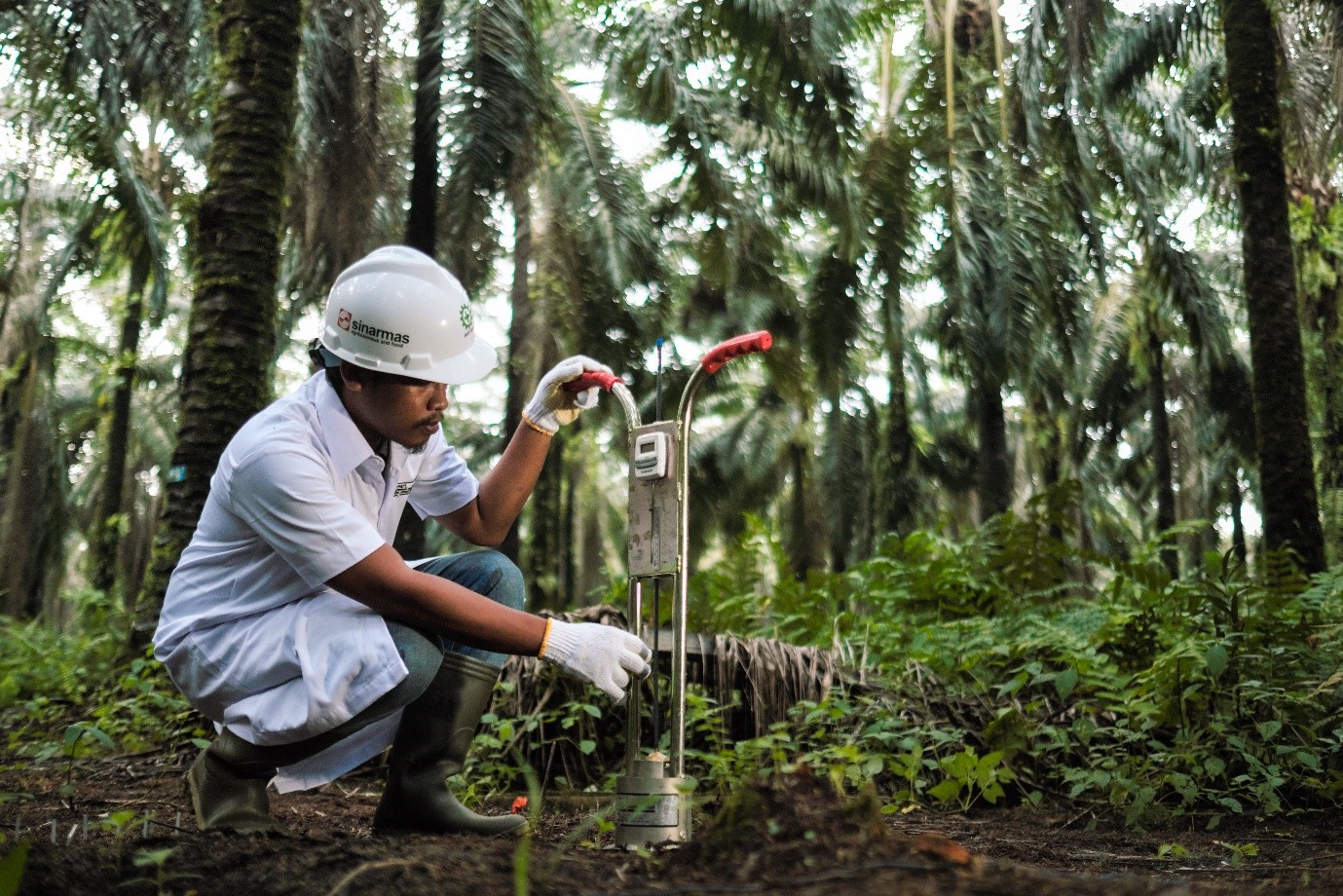
Meet Ganoderma, a silent killer lurking in the soil of palm plantations. This formidable fungus attacks the roots of palm trees, often remaining hidden until it’s too late. With the potential to wipe out close to half of the plants in vast plantations, its impact is both devastating and challenging to counter due to its soil‑borne nature.
How are we fighting back? A breakthrough in agricultural science.
We’re developed palm oil seed varieties engineered to resist Ganoderma, so that our plantations not only survive but thrive.

Our subsidiary, PT Dami Mas Sejahtera, has introduced the DxP Dami Mas Intermediate Ganoderma Resistance (IGR) seeds, which offer moderate resilience against this destructive fungus. This development, which began in 2010, is the result of years of dedicated research by SMART Research Institute (SMARTRI) and SMART Biotechnology Centre.
“Dami Mas seeds have undergone rigorous testing and selection,” explains Mohammad Naim, Head of Crop Protection at SMARTRI. “We identify trees with strong natural defenses against Ganoderma and use six of these markers in our seeds to build its resistance.”
Unlike non-IGR plants, which are vulnerable to Ganoderma early on, the DxP Dami Mas IGR variety shows potential for infection only starting in the sixth year, while regular varieties have a 3.5% to 4% infection rate. This improved resistance means healthier trees, leading to higher yield and more consistent oil production over time.
4. Palm Kernel Shells (PKS): Where waste isn’t wasted

Imagine a world where the byproducts don’t go to waste, but instead, become a powerful force for good. This is exactly what we are doing with Palm Kernel Shells (PKS) – a once overlooked byproduct now transformed into a renewable bioenergy source. Our subsidiary, PT Golden Biomass Energy (GBE), is at the forefront of this initiative.
Why is this so important? Traditional energy sources often rely on deforestation or the exploitation of limited natural resources. But with PKS, we’re harnessing energy without the need to cut down trees or expand plantations. With a calorific value comparable to woody biomass, PKS is not only efficient but also environmentally friendly, reducing emissions by up to 40%.
“PKS is a prime example of the circular economy in action,” explains Samuel Agus Setiawan, our Chief Executive Officer (CEO) for our biomass business. “Our certified PKS offers industrial boilers and power stations a reliable, transparent energy source. This solution aligns with our goals to power a cleaner future.”
5. Eyes in the skies: Spotting the spark before the blaze
Every second counts when it comes to forest and land fires.
They are a significant threat to palm oil plantations, local communities, and the environment. They can ravage vast areas of land, releasing massive amounts of carbon into the atmosphere and endangering wildlife and livelihoods.
That’s why we developed the GeoSMART Fire (GSF) Hotspot Monitoring Site, an innovative digital application that uses the latest in satellite technology for real-time detection and early warning. This advanced software enables us to act swiftly, preventing small fires from becoming large‑scale disasters.


GeoSMART Fire Monitoring application keeps an eye on potential forest and land fires and detects hotspots within a two-kilometre radius of our concession areas
Since its launch in early 2022, GeoSMART Fire (GSF) has been a game-changer. It detects hotspots up to two kilometres away, providing updates every four hours – compared to the previously twice-daily signals – drastically improving response time.
“When the Emergency Response Preparedness Team (KTD) receives a hotspot alert from GSF, they immediately verify the location and carry out a quick response if a land fire is confirmed. The verification results and fire management actions are then uploaded into the GSF app to build a comprehensive fire management database,” explains Achmad Supriyanto, Head of Fire & Peat Management.
GeoSMART is just one part of our broader system to prevent and handle forest and land fires, which includes preventive measures, early detection, rapid response, and post-fire handling.
6. MOSH/MOAH testing: Raising the bar in palm oil safety

It’s not just palm oil; It’s peace of mind. In a market flooded with choices, how can you be sure of the safety of your products? Look no further.
We know that the quality and safety of palm oil products are crucial for the wellbeing of our consumers. That’s why we’re committed to making sure that our products meet the highest safety standards every day.
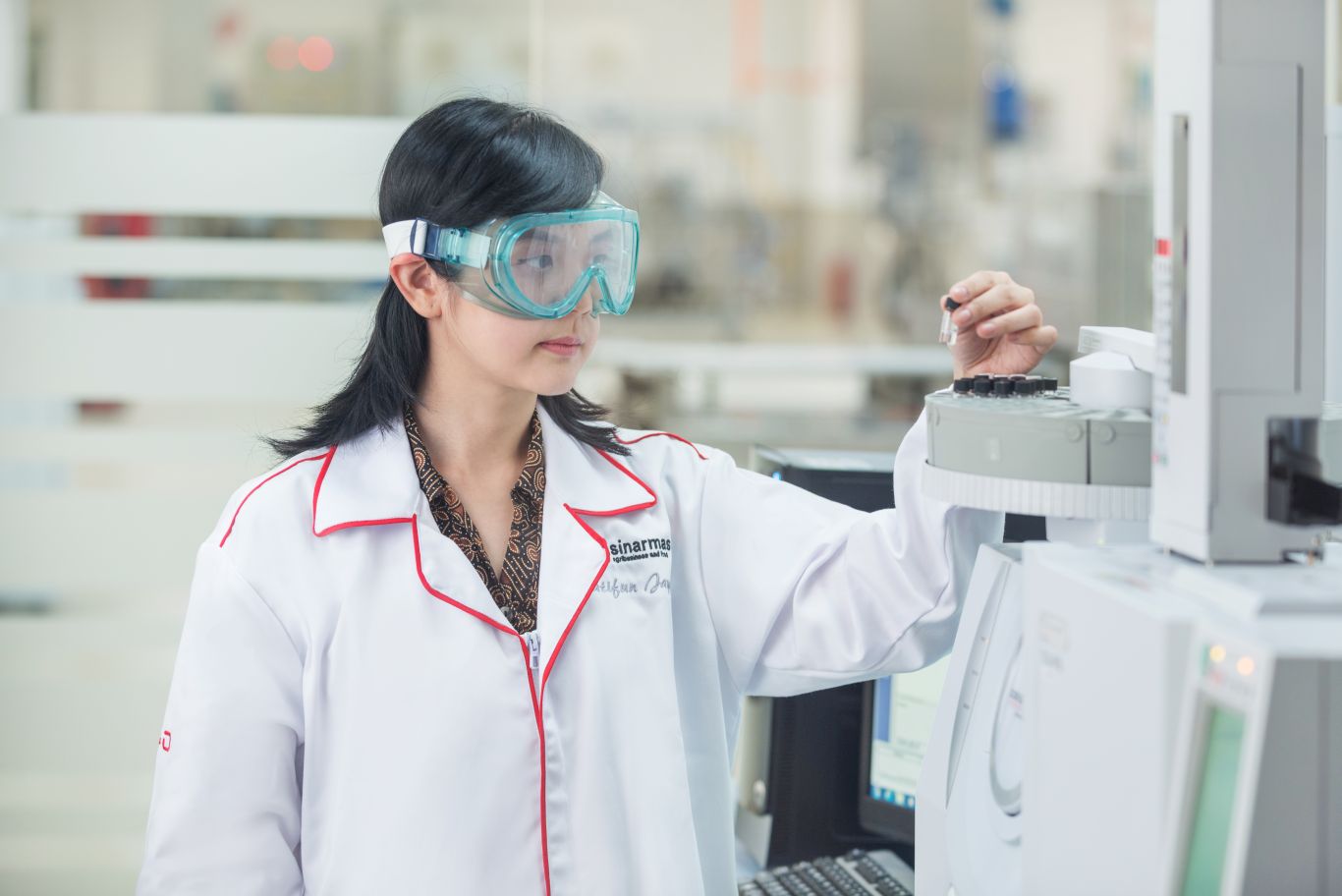
And with our Marunda QC laboratory’s new KAN (Indonesia’s National Committee of Accreditation) accreditation for MOSH and MOAH testing in edible palm oil, your health is in safe hands.
This recognition makes GAR the first to be accredited to perform complete carbon fraction testing for these palm oil contaminants in Indonesia. Our advanced capabilities enable us to accurately identify and quantify the full range of MOSH/MOAH hydrocarbon chains within edible palm oil samples, making our laboratory a pioneer in offering such detailed analysis.
“This recognition is proof of the high standards we uphold in our laboratory to manage the risk of MOSH and MOAH,” says Fransisca Tedjo, Head of National Quality Food Safety at GAR.
“By conducting in-house MOSH MOAH testing, we can swiftly identify the contaminants and take immediate action. This proactive approach ensures that our products meet the highest safety standards and embody our commitment to quality assurance.”
Mineral Oil Saturated Hydrocarbons (MOSH) is a type of mineral oil that can accumulate in the liver and lymphoid system, causing inflammation.
Mineral Oil Aromatic Hydrocarbons (MOAH) is another type of mineral oil that is a potential carcinogenic.
Both compounds can migrate into food from packaging materials and contaminate at any point in the food processing chain.
Learn more about MOSH and MOAH here.
—–
Our investments in research aim to achieve higher oil palm yields per hectare, develop best agronomic practices, and create tasty, safe palm-based food products with optimal nutrition levels. Learn more about these critical functions performed by our three R&D facilities.
—–