

 Our Shared Values
 Our Business
 Our Foundations
 Our Achievements
 Our Governance
 Conservation Management & Monitoring
 Climate Change
 Community Engagement
 Partnerships & Memberships
 Human Rights & Labour
 Responsible Sourcing
 Responsible Production
 Certifications
 Sustainability Report
 Palm-based Food Products
 Other Food Products
 Oleochemicals
 Bioenergy
 Food & Nutrition Innovation
 Press Releases
 Stories
 Meet Our Experts
 In the News
 Publication
 Shareholder Information
 Disclosure of Information
 Financial Information
 Prospective Suppliers
 Support for Palm Suppliers
 FAQ
FAQ Existing Non-Palm Suppliers
 Graduates & Professionals
 Scholarships
 Internships

From a skeptic to an enthusiast
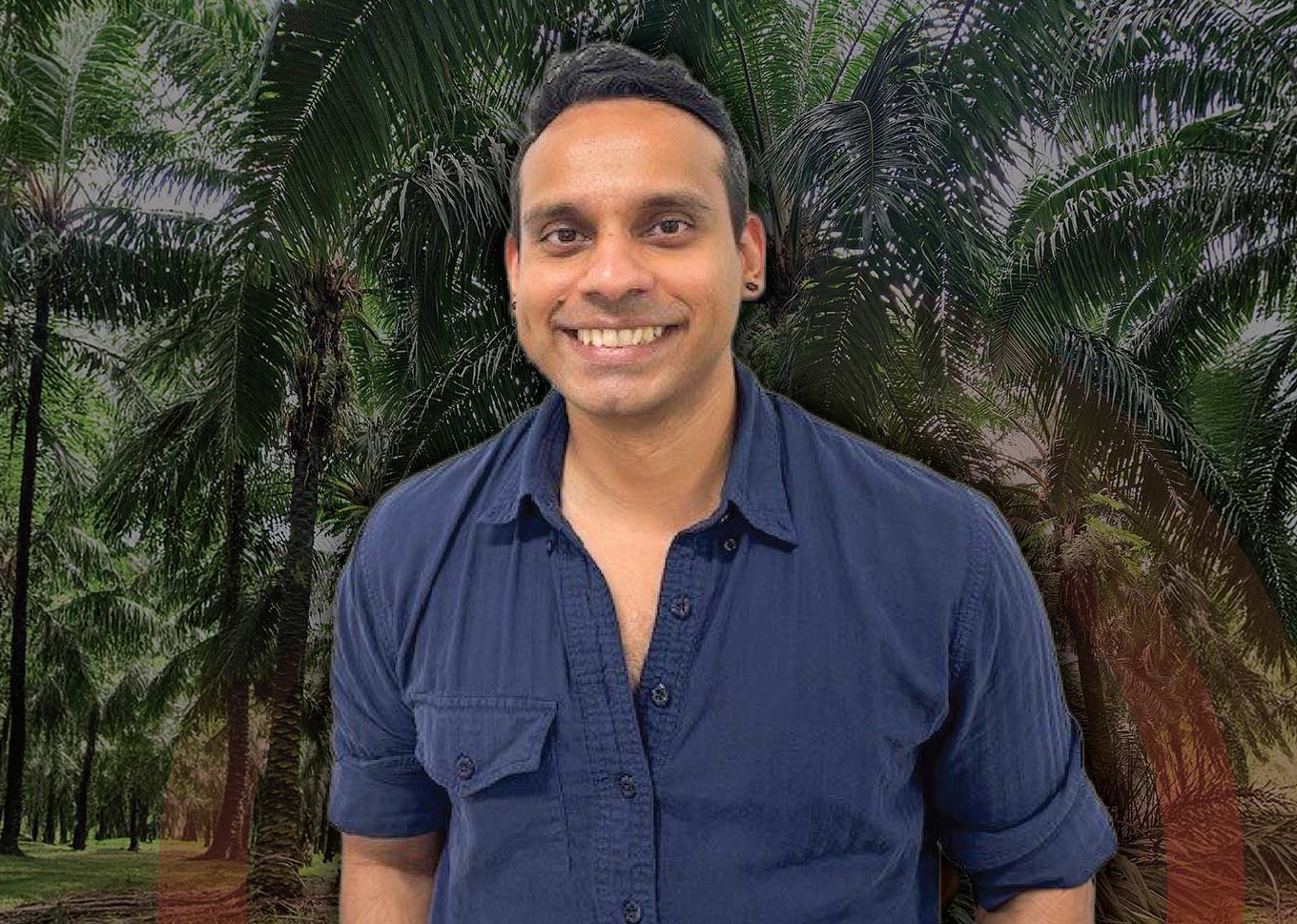
Palm oil has been Syahid’s stomping ground for over 30 years. In the early years, efficiency ruled the roost, and environmental concerns often took a backseat. Practices like deforestation for land clearing, while unfortunately common, left a nagging feeling that things could be done better. The question was: how to achieve both productivity and sustainability?
A turning point came in 2018 when SNRM joined GAR’s Supplier Transformation programme. This programme promised a roadmap for tackling these issues. Initially, Syahid admits, participation was just a way to maintain a strong partnership with GAR. He wasn’t entirely convinced that these sessions would offer real value.
But something unexpected happened. These sessions, initially seen as just formalities, blossomed into genuine learning experiences for Syahid. Since 2018, Syahid has thrown himself into everything offered, from Ksatria Sawit and Sawit Terampil training to workplace safety workshops and palm oil traceability sessions. A recent workshop on traceability and deforestation monitoring, particularly the No Deforestation, No Peat, and No Exploitation (NDPE) policies, opened his eyes to the depth and importance of sustainable practices.

Reaping what he sowed
This newfound conviction wasn’t merely a change of heart; it also translated into action. Syahid, along with his team at PT SNRM, have implemented stricter protocols for sourcing Fresh Fruit Bunches (FFB). This includes tracking coordinates to palm oil mills, collecting data on agents and plantations, and closely monitoring land conversions.
“[Reaching a 100 percent ’Delivering’ status in the NDPE IRF] shows that the things we’ve learned can translate into real change, not just on paper, but in the real world.”
A framework within the palm oil industry to demonstrate compliance with the commitment of no deforestation, peatland development, and exploitation by breaking down the production into volumes that is compliant and that is progressing towards compliance.
Looking to the future
Syahid’s journey with sustainable palm oil doesn’t end with achieving a 100 percent ‘Delivering’ status in the NDPE IRF.
“Sure, we’ve achieved a significant milestone,” he says. “But there’s always room to do better.” Syahid envisions himself as a leader who can inspire other peers in the industry to raise the bar for responsible practices.
He believes there’s an opportunity to bridge the gap on NDPE knowledge by creating more transparency and building better communication between buyers and suppliers. “I look forward to joining more knowledge-sharing sessions, best practice guides, and even discussions on challenges and solutions related to NDPE compliance,” he said.

With the knowledge to meet buyer requirements, suppliers like Syahid can create a more level playing field in the palm industry. This will offer them the opportunity to participate in the conversation on sustainable production practices as well as open doors to new business opportunities and premium prices for their products.
—–
To operate responsibly, GAR proactively traces our suppliers and engages them to improve their NDPE practices. Learn more about our supply chain transformation here.
—–