

 Our Shared Values
 Our Business
 Our Foundations
 Our Achievements
 Our Governance
 Conservation Management & Monitoring
 Climate Change
 Community Engagement
 Partnerships & Memberships
 Human Rights & Labour
 Responsible Sourcing
 Responsible Production
 Certifications
 Sustainability Report
 Palm-based Food Products
 Other Food Products
 Oleochemicals
 Bioenergy
 Food & Nutrition Innovation
 Press Releases
 Stories
 Meet Our Experts
 In the News
 Publication
 Shareholder Information
 Disclosure of Information
 Financial Information
 Prospective Suppliers
 Support for Palm Suppliers
 FAQ
FAQ Existing Non-Palm Suppliers
 Graduates & Professionals
 Scholarships
 Internships
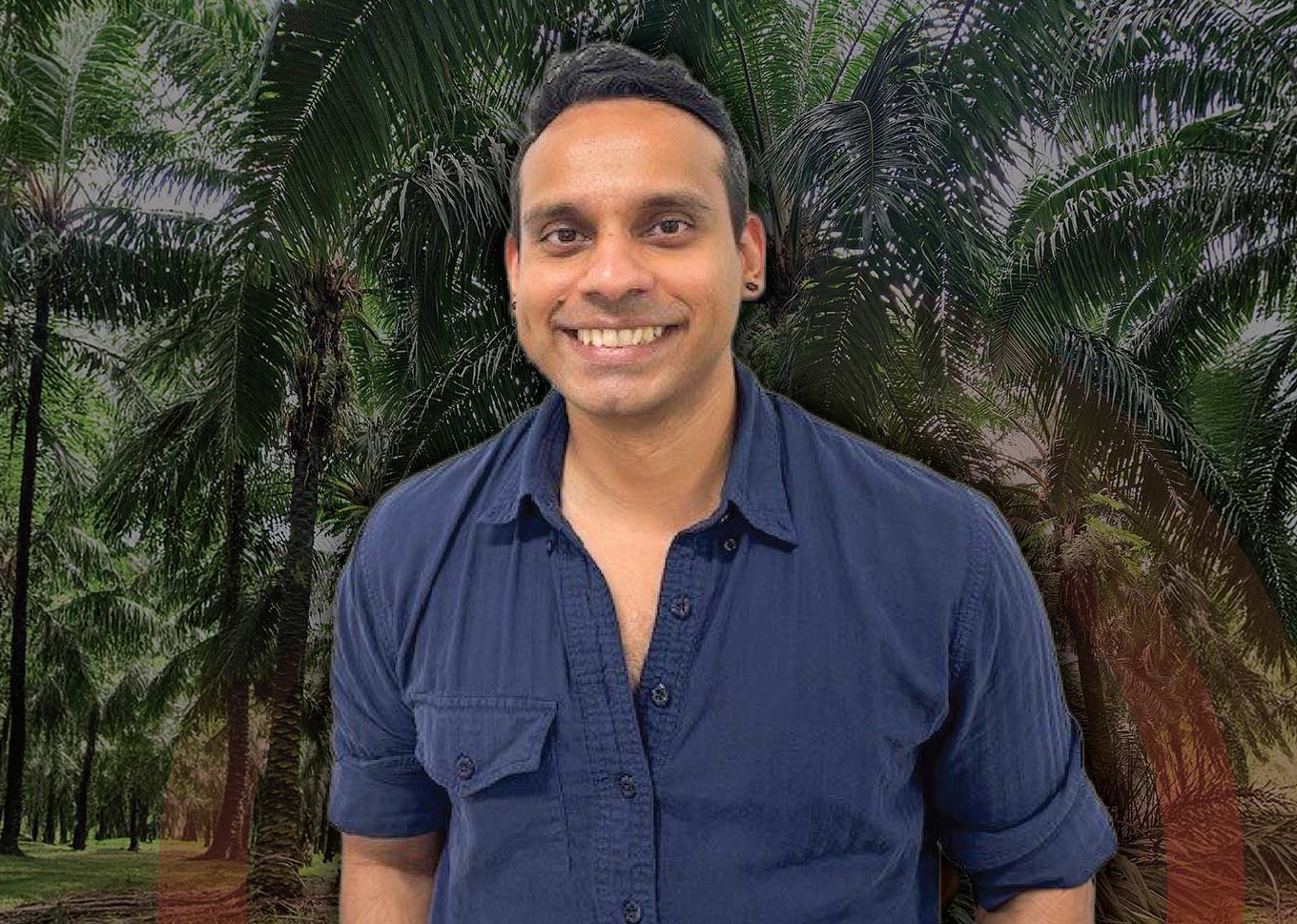
“The land was tired. The yields were low. People told me to sell. But I couldn’t walk away from something my parents built with their own hands.”
That’s how Wahyu Widodo describes the turning point that changed everything.
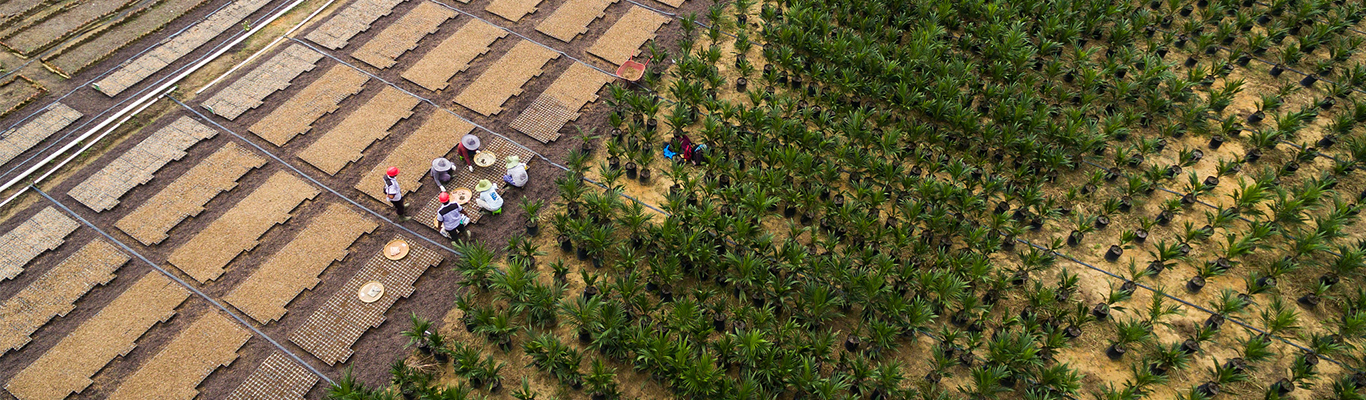
In 2020, after years of working in big city companies, Wahyu returned home to his family’s palm oil farm in Riau. Once a source of pride, the land had fallen into disrepair. Many advised him to sell, but Wahyu couldn’t let go of what his family had built.
What began as a reluctant homecoming became a journey of renewal. One that led him to become an advocate for sustainable farming and a supporter of the EU Deforestation Regulation (EUDR). It wasn’t easy. But with help from Sinar Mas Agribusiness and Food and a belief in doing what’s right, Wahyu is proving that change doesn’t have to mean compromise. It can mean growth. For farmers, forests, and future generations.
Coming home to grow

Wahyu grew up around palm oil. His father worked at Sinar Mas Agribusiness and Food, a subsidiary of GAR, and life on the plantation was all he knew. But Wahyu dreamed of something different. A career in the city.
Then in 2020, everything changed. His parents’ aging plantation was on the verge of shutting down. The land was unproductive and neglected. Stepping in wasn’t easy but felt necessary. “I realised that letting go would mean losing something bigger – our family’s legacy, and the potential it still held,” Wahyu says.
What started out of duty soon became something deeper. It was a mission to bring the land back to life.
The turning point: Meeting EUDR
Wahyu first heard about the European Union Deforestation Regulation (EUDR) from fellow farmers and local forums. The acronym was unfamiliar. The requirements sounded complex.
“Initially, I wasn’t sure how it would impact us. Would it be just another burden for smallholders? But the more I learned, the more I realised it’s something we need to prepare for – whether we like it or not,” he explains.

What shifted Wahyu’s perspective wasn’t about supporting or opposing the regulation itself – it was about recognising the need to strengthen his farm’s long-term practices. “It’s pushed us to think harder about how we work, how we protect the land, and how we prepare for the future,” he says.
For Wahyu, sustainability became a responsibility and no longer just a checkbox. “If we ourselves don’t act, who will protect our land?” he wonders.
Not alone: The power of collaboration
Understanding EUDR is one thing. Putting it into action is another.
“The requirements are not simple. Registration, land mapping, verifying plant ages – it’s a lot,” Wahyu admits. “Many farmers are overwhelmed, and I was too, at first.” But he wasn’t alone.
With the support of Sinar Mas Agribusiness and Food and dedicated consultants, Wahyu began navigating the process. Data had to be collected. Land boundaries needed to be verified. And most of all, trust had to be built – farmer by farmer, village by village.
Wahyu didn’t just participate – he also took a lead role. “I joined the consultants on the ground, speaking with the other farmers in our farming group one-on-one. I understood their doubts, their resistance. They saw me as one of their own.” And that made a difference.
“Transformation doesn’t happen in isolation,” he says. “It happens when people see someone walking the path with them – not ahead of them, not above them, but beside them.”
Do You Know?
At Sinar Mas Agribusiness and Food, we don’t just help our palm suppliers meet requirements. We give them the tools to grow.
SMART SEED (Social and Environmental Excellence Development) is our annual supplier forum that helps suppliers strengthen their sustainability practices. It brings together industry players, government, and civil society to share knowledge, build networks, and discuss pressing issues – like traceability, land legality, and EUDR.
It’s part of our broader commitment to walk alongside suppliers on the journey toward responsible palm oil.
Small steps, real impact

Bit by bit, change began to take root.
Wahyu saw his plantation begin to recover – more organised, more traceable, more productive. He noticed a quiet shift in his farming group, too. Farmers started asking more questions, attending more discussions, opening up to new practices.
But Wahyu knows this is just the beginning.
He now mentors other smallholders in his community, guiding them through unfamiliar processes like land mapping and verification, and helping them find their footing. “Not everyone embraces change. But I’ve seen firsthand how these small steps, when put together, create real progress.”
And his hope? That more farmers take that first step too.
“I want Indonesian palm oil to be respected in Europe and beyond,” he says. “I want to show that smallholders, when empowered and supported, can meet the highest standards – without losing who we are or how we work.”
Growing with purpose means growing with our partners. See how we’re walking alongside suppliers every step of the way.