

 Our Shared Values
 Our Business
 Our Foundations
 Our Achievements
 Our Governance
 Conservation Management & Monitoring
 Climate Change
 Community Engagement
 Partnerships & Memberships
 Human Rights & Labour
 Responsible Sourcing
 Responsible Production
 Certifications
 Sustainability Report
 Palm-based Food Products
 Other Food Products
 Oleochemicals
 Bioenergy
 Food & Nutrition Innovation
 Press Releases
 Stories
 Meet Our Experts
 In the News
 Publication
 Shareholder Information
 Disclosure of Information
 Financial Information
 Prospective Suppliers
 Support for Palm Suppliers
 FAQ
FAQ Existing Non-Palm Suppliers
 Graduates & Professionals
 Scholarships
 Internships
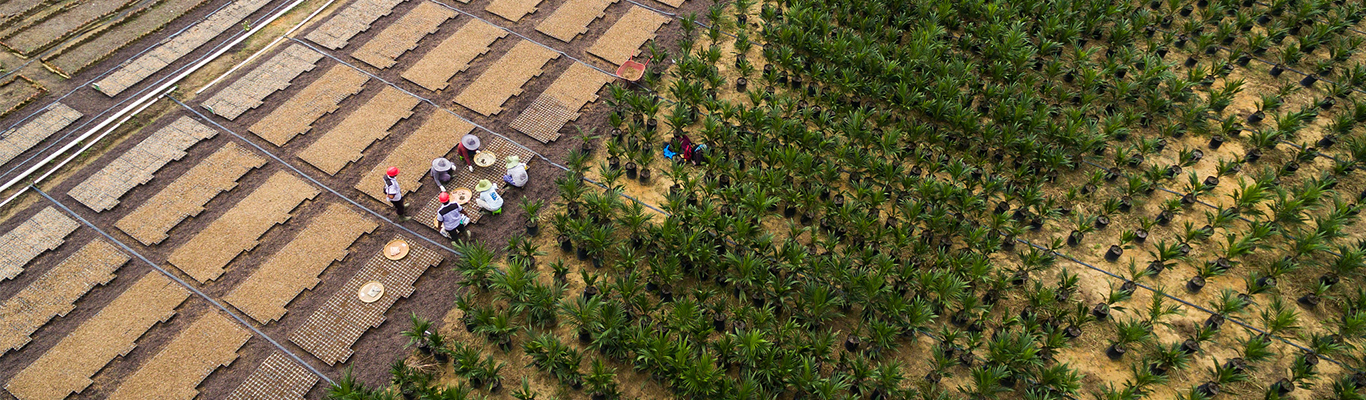
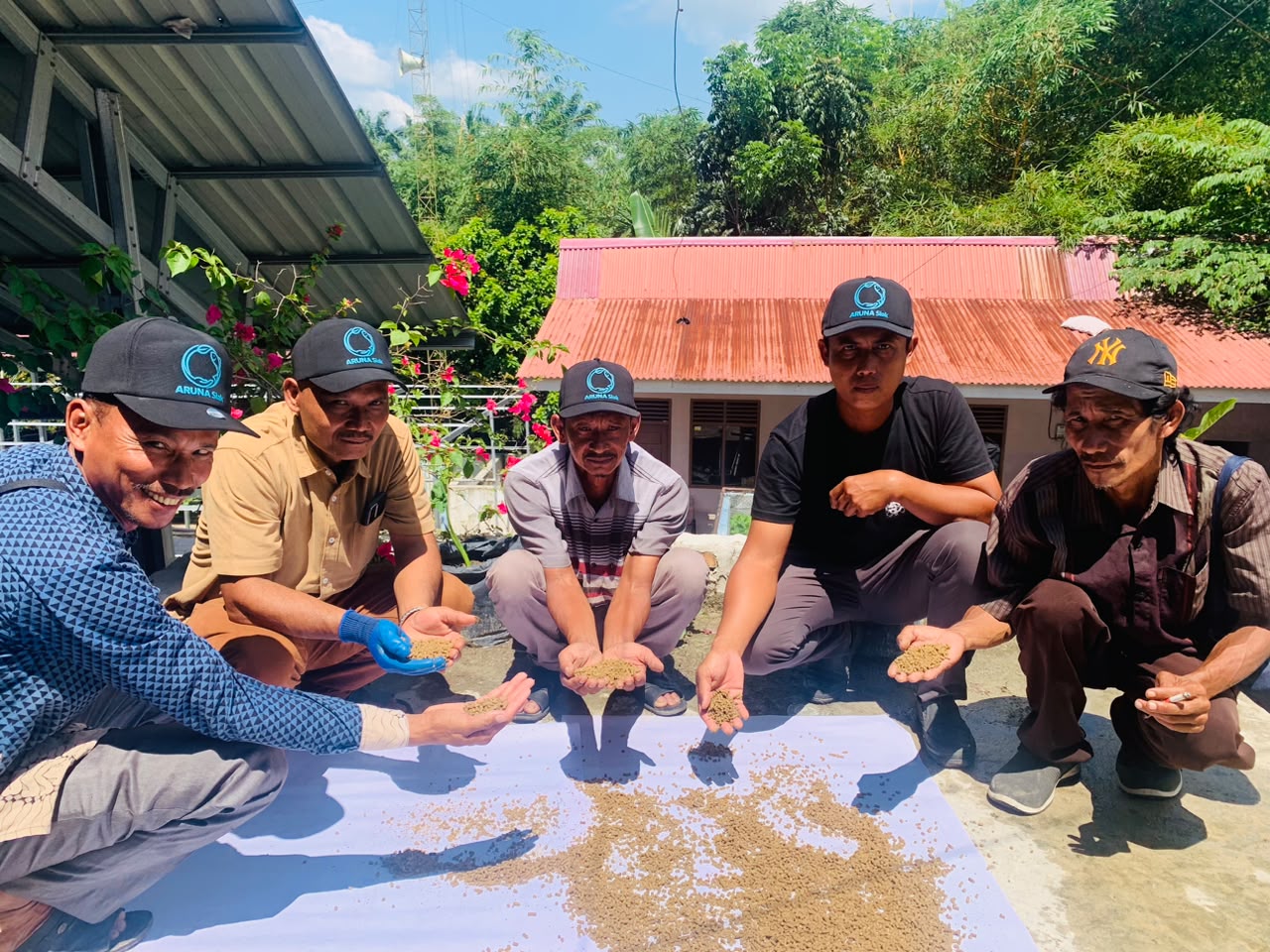
Siak, Riau, 17 July 2026 – Feed costs, which make up the largest share of expenses in freshwater fish farming, remain a persistent challenge for many farmers in Kandis Subdistrict, Siak Regency. Meanwhile, most of the harvest is still sold as fresh fish, leaving considerable potential for added value untapped.
To address these challenges, PT Ivo Mas Tunggal, a subsidiary of Sinar Mas Agribusiness and Food, together with Sentra Kreatif Lestari Siak (SKELAS), held a Community Learning Centre (CLC) session titled “Alternative Feed Production and Diversification of Processed Freshwater Fish Products.” The training gave farmers hands-on experience in producing alternative feed from local raw materials, as well as turning their harvests into a range of value-added products.
The session drew 36 participants from farming groups and fish farmers across Kandis Subdistrict, alongside representatives from local government, fisheries extension officers, and members of the Siak Freshwater Fisheries Business Space Association (ARUNA) ecosystem. Initiated by PT Ivo Mas Tunggal, this ecosystem brings together players across the fisheries value chain – from input suppliers and farmers to those handling the marketing of harvests – within a single collaborative network designed to sustain their businesses over the long term.
Throughout the training, participants were introduced to a range of alternatives that can help lower production costs while opening up new market opportunities through processed products. Armed with these skills, farmers now have the option to reduce their reliance on commercial feed while boosting the economic value of their harvests.
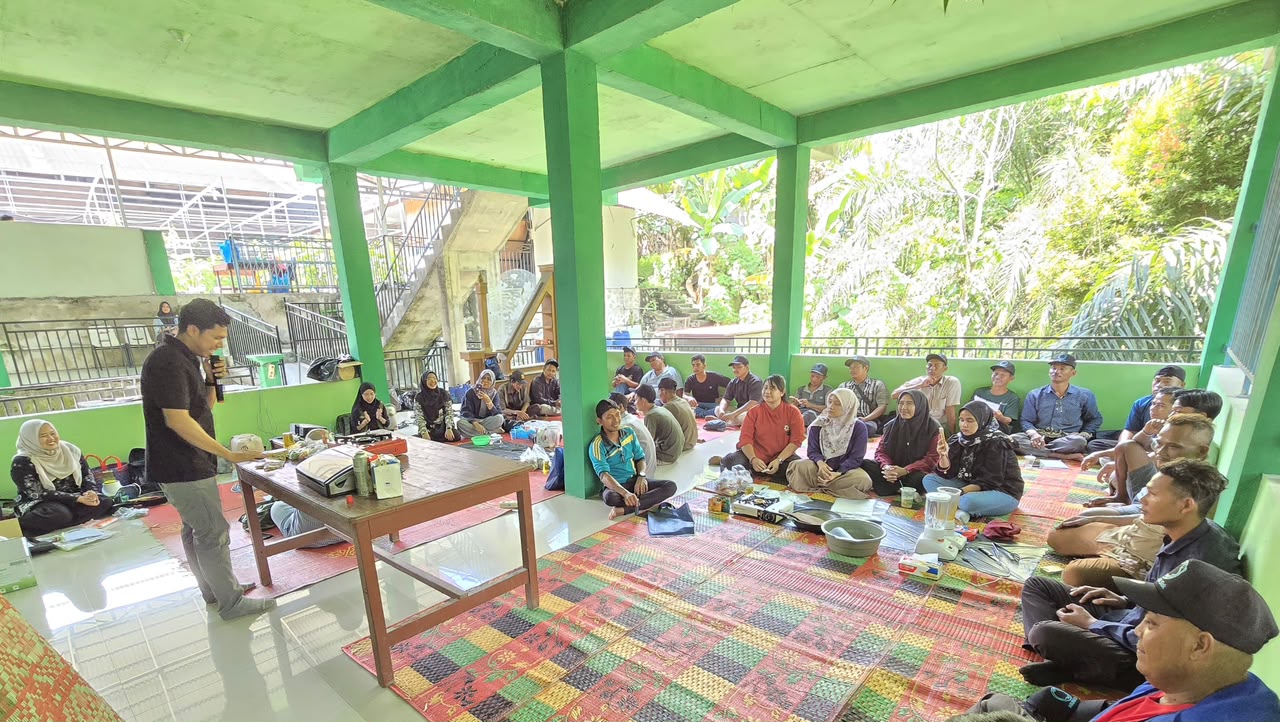
Selamat Risky Tarigan, Head of the Brothers Farm Group, said the training offered fresh insights that could be put into practice straightaway, particularly in making use of local raw materials for alternative feed and developing processed products.
“This training opened our eyes to the fact that local raw materials we’d never thought to use can actually be turned into alternative feed. Beyond helping us cut production costs, it also gave us new ideas for developing processed products with higher market value. We hope this kind of mentoring continues, so that farmers’ businesses can keep growing,” he said.
Said Irwan, Head of Kandis Subdistrict, described the capacity-building effort as an important step towards strengthening food security while boosting the competitiveness of local businesses. He noted that collaboration between government, the private sector, and the community is key to advancing fisheries businesses built on local potential.
“We deeply appreciate PT Ivo Mas Tunggal’s role in organising this activity to strengthen fish farming groups in Kandis Subdistrict. This programme not only helps farmers produce goods with greater added value, but also drives business efficiency through the use of alternative feed. Collaboration like this is essential to strengthening food security while boosting the community’s competitiveness,” he explained.
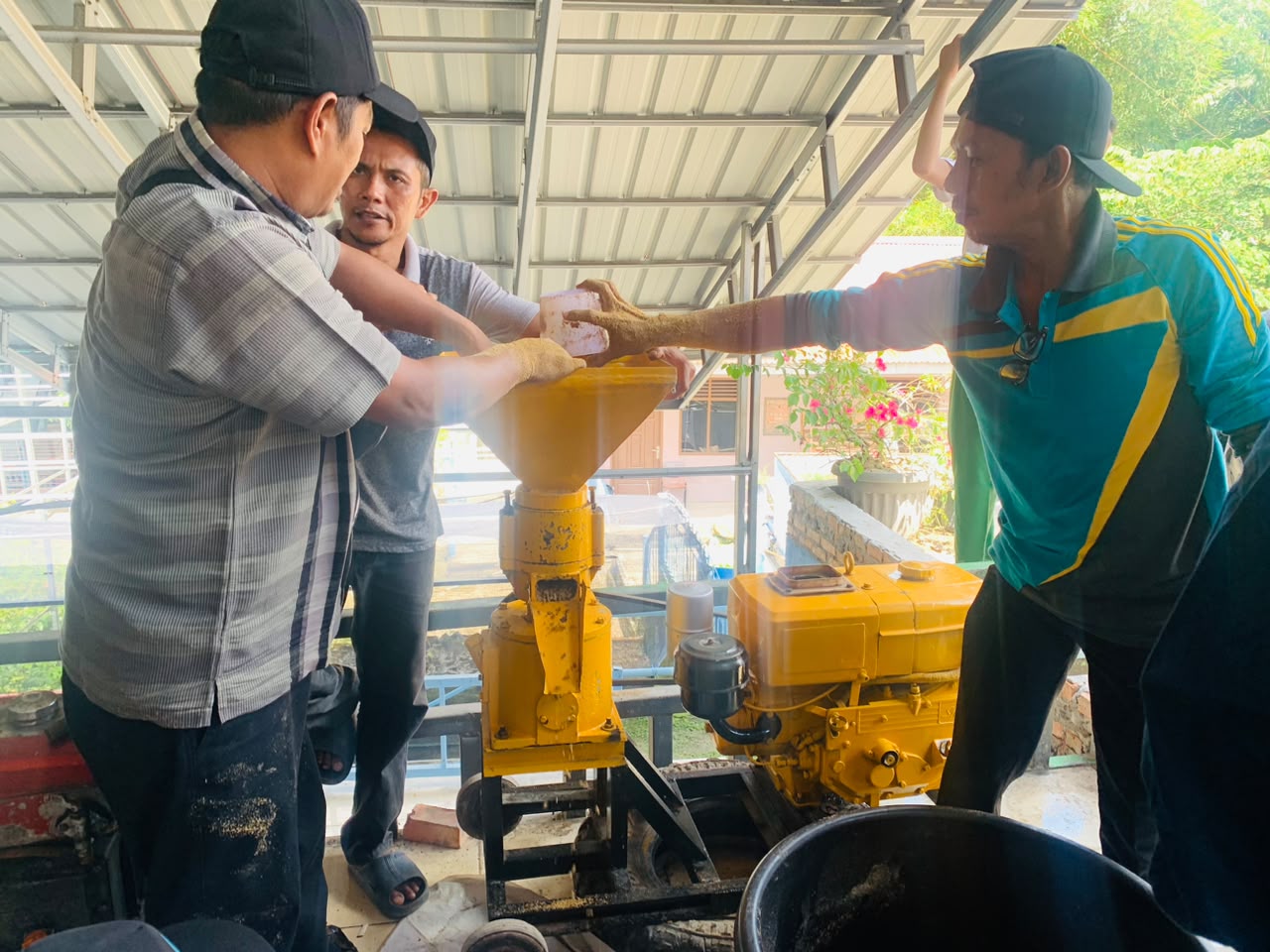
Yolanda Ica, Chair of the Organising Committee, explained that the training forms part of the Inclusive Closed Loop model, which links farmers, processors, collectors, cooperatives, and companies within a single, mutually supportive value chain.
“Through this model, the community’s harvests gain market certainty and more efficient distribution, while delivering sustainable economic benefits to every player across the value chain,” she said.
This training marks the start of an ongoing mentoring effort. PT Ivo Mas Tunggal, together with the Aruna Siak ecosystem, has drawn up plans for developing alternative feed production, sourcing materials for replication, testing formulations, and making use of production facilities – all aimed at helping farmers put these innovations to work in their day-to-day businesses.
This community empowerment programme forms part of the Bright Future Initiative, Sinar Mas Agribusiness and Food’s network for accelerating Micro, Small, and Medium Enterprises (MSMEs), which has so far supported 163 MSMEs in realising and developing 280 projects across the company’s operational areas in Indonesia.
Through this training, PT Ivo Mas Tunggal hopes to see freshwater fish farming businesses become more independent, efficient, and sustainable, while strengthening food security and the economic wellbeing of communities living alongside the company. “We believe that strengthening community capacity must go hand in hand with building a mutually supportive business ecosystem – one that covers everything from fish-rearing and feed production techniques through to promotion and product management. That’s why we don’t stop at training; we also foster collaboration, so that the innovations we introduce can be sustained and continue to deliver economic benefits for the community,” said Berthin Efranta Pinem, Estate Manager of Nenggala, PT Ivo Mas Tunggal.
Through continued mentoring and collaboration across the fisheries ecosystem, this initiative aims to encourage more farmers to put these innovations into practice. In doing so, freshwater fish farming in Kandis Subdistrict is expected to become more efficient, generate greater added value, and deliver lasting economic benefits for the community.