

 Our Shared Values
 Our Business
 Our Foundations
 Our Achievements
 Our Governance
 Conservation Management & Monitoring
 Climate Change
 Community Engagement
 Partnerships & Memberships
 Human Rights & Labour
 Responsible Sourcing
 Responsible Production
 Certifications
 Sustainability Report
 Palm-based Food Products
 Other Food Products
 Oleochemicals
 Bioenergy
 Food & Nutrition Innovation
 Press Releases
 Stories
 Meet Our Experts
 In the News
 Publication
 Shareholder Information
 Disclosure of Information
 Financial Information
 Prospective Suppliers
 Support for Palm Suppliers
 FAQ
FAQ Existing Non-Palm Suppliers
 Graduates & Professionals
 Scholarships
 Internships
Strengthening the PSR Implementation for Smallholder Productivity and Sustainability
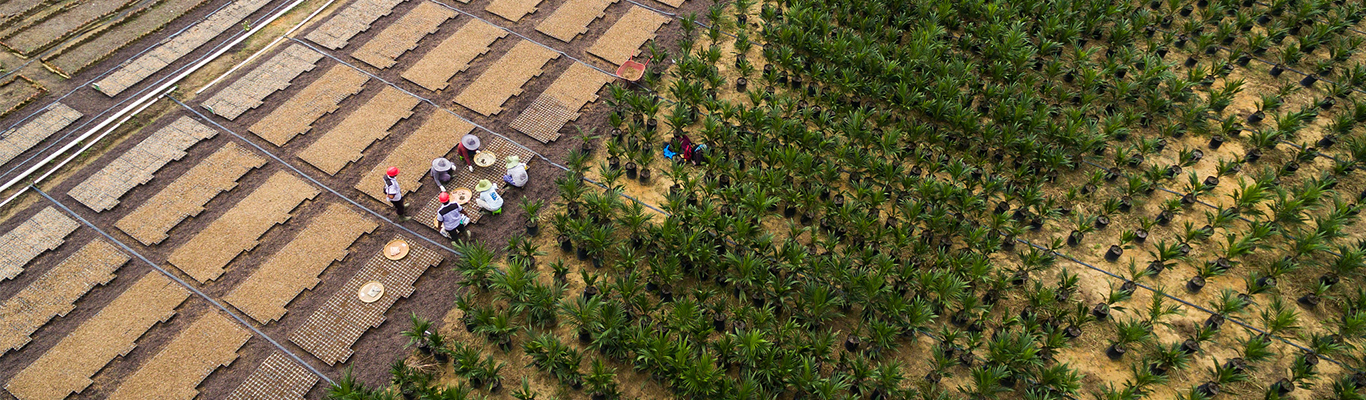
To support efforts to strengthen national food and energy security, including increasing Indonesia’s crude palm oil (CPO) production, Sinar Mas Agribusiness and Food plays an active role in helping its smallholder partners access replanting (Peremajaan Sawit Rakyat/PSR) funding through the Oil Palm Plantation Fund Management Agency (Badan Pengelola Dana Perkebunan/BPDP).
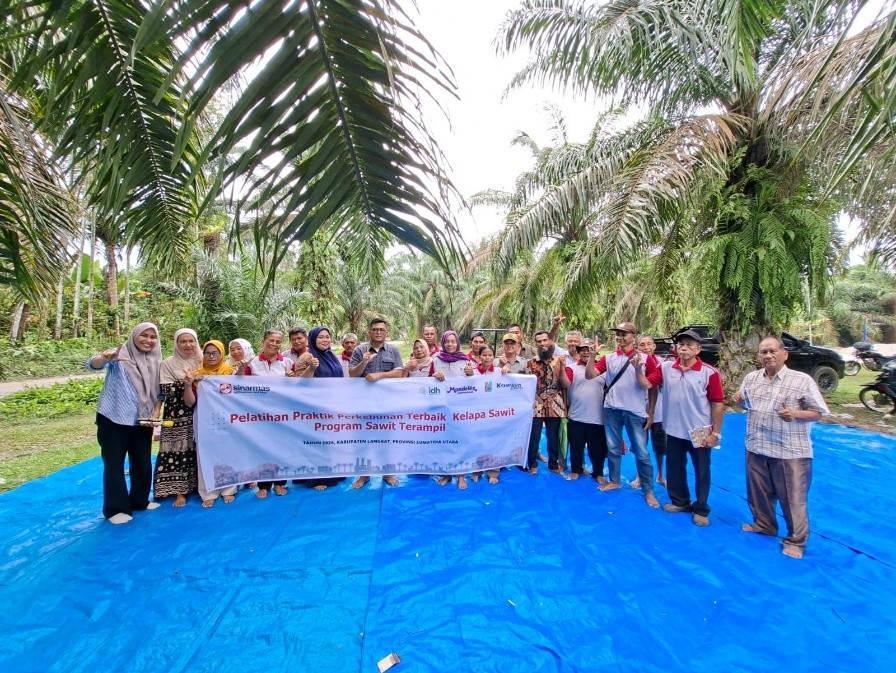
The Company focuses on building smallholders’ capacity and supporting them in fulfilling the documentation requirements for PSR grant applications through BPDP. Sinar Mas Agribusiness and Food is also committed to preparing smallholders to meet the requirements of the Indonesia Sustainable Palm Oil (ISPO) certification scheme. This approach aims to ensure that smallholders comply with national sustainability standards while expanding their access to export markets and formal sources of funding.
Certification also plays an important role in promoting more accountable governance at the plantation level. It supports more transparent business practices, strengthens business certainty, and helps mitigate and address potential challenges on the ground. Overall, these efforts are aligned with the Government’s priorities to strengthen rural economies while supporting national food and energy security through improved governance of the palm oil sector.
Q1: What is Sinar Mas Agribusiness and Food’s role in implementing the PSR programme?
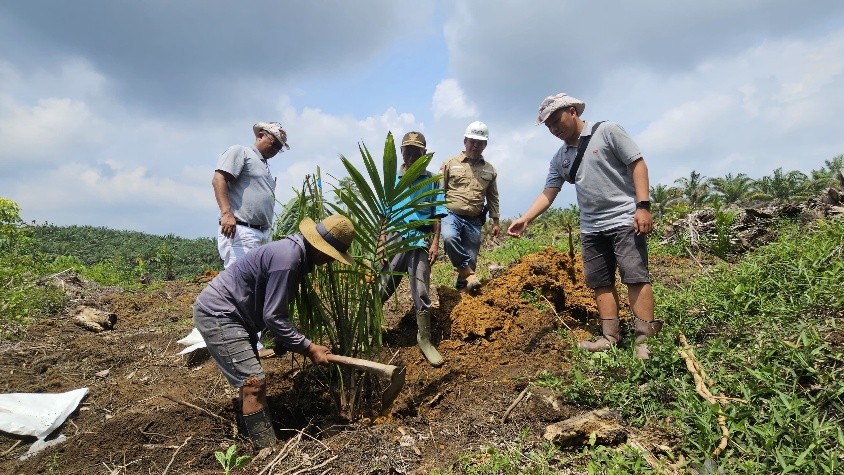
Sinar Mas Agribusiness and Food acts as a partner to smallholders throughout the implementation of the PSR programme. We provide comprehensive support, from land preparation and strengthening smallholder organisations to technical assistance and funding support. This approach aligns with the Collective for Impact initiative, which emphasises cross-sector collaboration to improve smallholder productivity and promote sustainable practices.
Through this approach, the Company integrates support for legal compliance, access to financing, and capacity building to deliver measurable outcomes and foster long-term partnerships across the palm oil supply chain.
Q2: What is the real-world impact that PSR has on smallholder productivity?
The PSR programme enables smallholders to replace ageing oil palm trees with superior planting materials, including Dami Mas seedlings provided to support the programme, while adopting Good Agricultural Practices (GAP). Through consistent support, productivity improvements can be achieved in a more sustainable manner, delivering not only higher yields but also lasting improvements in overall plantation management.
In addition, for mature plantations, we help smallholders access other government programmes that provide essential facilities and infrastructure. This includes production inputs such as superior seedlings, fertilisers, pesticides, and harvesting equipment, as well as agricultural machinery for plantation maintenance. Support also extends to basic infrastructure, including simple logistics facilities and plantation access roads.
We believe that smallholders are the cornerstone of a sustainable palm oil supply chain. Therefore, our efforts extend beyond improving productivity to strengthening trust and fostering long-term partnerships by supporting certification and the adoption of better agricultural practices.
Q3: How does the Company help smallholders access the PSR programme?
As a partner to smallholders, Sinar Mas Agribusiness and Food actively facilitates administrative and verification processes, as well as the establishment and strengthening of smallholder organisations. Our role is to ensure that smallholders meet the requirements of government programmes accurately and on time, enabling them to maximise the benefits available through these initiatives. We also support smallholders in preparing to obtain Indonesia Sustainable Palm Oil (ISPO) certification.
To improve access to supplementary financing for replanting, we connect smallholders with financial institutions and support them in preparing the required documentation, strengthening institutional governance, and demonstrating business viability. This approach helps smallholders build a stronger bankable profile, creating greater opportunities to access financing and supporting their long-term sustainability.
Q4: How do we support legality and the ISPO certification?
We view ISPO certification as a key foundation for ensuring sustainability and mitigating risks across the supply chain. Therefore, we proactively provide continuous technical and administrative support to help smallholders meet the certification requirements. This not only supports regulatory compliance but also expands access to wider markets and formal sources of financing.
Furthermore, this approach strengthens responsible sourcing practices, reduces supply chain risks, and fosters more credible, long-term partnerships. Strategically, it also contributes to strengthening national food and energy security.
Q5: Besides facilitation for their plantation estates, are there any other efforts that Sinar Mas Agribusiness and Food make for smallholders?
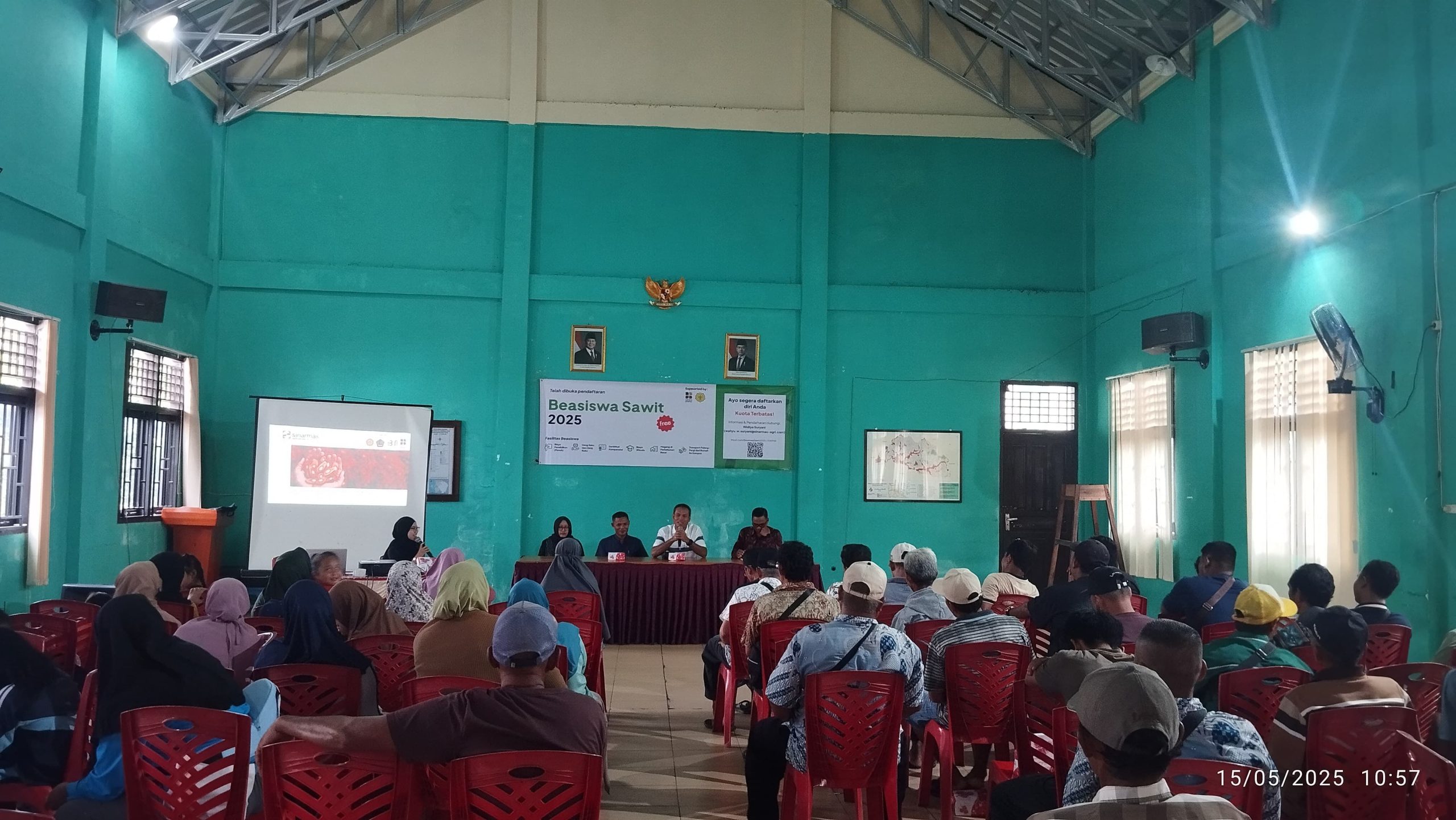
As part of our commitment to human capital development, we actively promote the BPDP Palm Oil Scholarship Programme to communities and smallholder families across the Company’s operational areas.
Between 2024 and 2025, we supported more than 1,000 programme applicants, with 191 successfully qualifying for and receiving BPDP scholarships. This year, we aim to increase the number of scholarship recipients to 500. We provide comprehensive support throughout the application process, including assistance with document preparation, administrative guidance, interview coaching, and preparation for the selection process. These efforts are intended to expand access to education and help develop a skilled new generation that is ready to contribute to a more sustainable palm oil industry.