

 Our Shared Values
 Our Business
 Our Foundations
 Our Achievements
 Our Governance
 Conservation Management & Monitoring
 Climate Change
 Community Engagement
 Partnerships & Memberships
 Human Rights & Labour
 Responsible Sourcing
 Responsible Production
 Certifications
 Sustainability Report
 Palm-based Food Products
 Other Food Products
 Oleochemicals
 Bioenergy
 Food & Nutrition Innovation
 Press Releases
 Stories
 Meet Our Experts
 In the News
 Publication
 Shareholder Information
 Disclosure of Information
 Financial Information
 Prospective Suppliers
 Support for Palm Suppliers
 FAQ
FAQ Existing Non-Palm Suppliers
 Graduates & Professionals
 Scholarships
 Internships
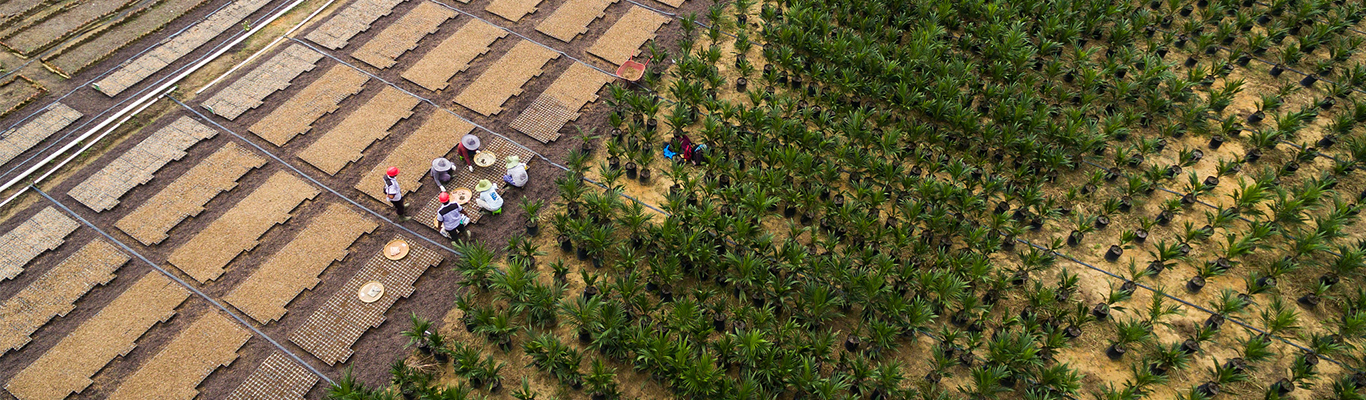
For many oil palm farmers, the wait for young palms to mature can feel long and uncertain, a stretch of time with little to harvest and even less income. But that wait doesn’t have to be idle. Thanks to new thinking led by researchers like Elfrin Nisa Azmi, farmers are discovering a practical, people-focused solution: grow more than one crop at a time, and make every season count.
This approach is known as intercropping. And it’s proving to be a game-changer.
What is intercropping and why does it matter?

In simple terms, intercropping means growing short-term food crops like maize, legumes, or vegetables in the spaces between young, still-growing oil palms. These crops thrive while sunlight still reaches the ground, turning what would otherwise be idle land into productive farmland.
It’s a smart move. Farmers get food for their families, income during tough times, and healthier soil for the future.
“It’s about making the most of what you have,” says Elfrin Nisa Azmi, a Plasma Researcher at the SMART Research Institute (SMARTRI). “While the palms are small, there’s light, space, and time, and farmers can use that to grow vegetables, maize, or legumes.”
The benefits aren’t just financial. Intercropping improves soil quality, reduces erosion, and — especially with legumes — naturally restores nutrients in the ground. It’s sustainable farming that supports people and the planet.
Turning research into impact: Elfrin’s role in intercropping

You won’t often find Elfrin behind a desk. She’s in the fields, walking rows of young palms, listening to farmers, and helping turn ideas into action.
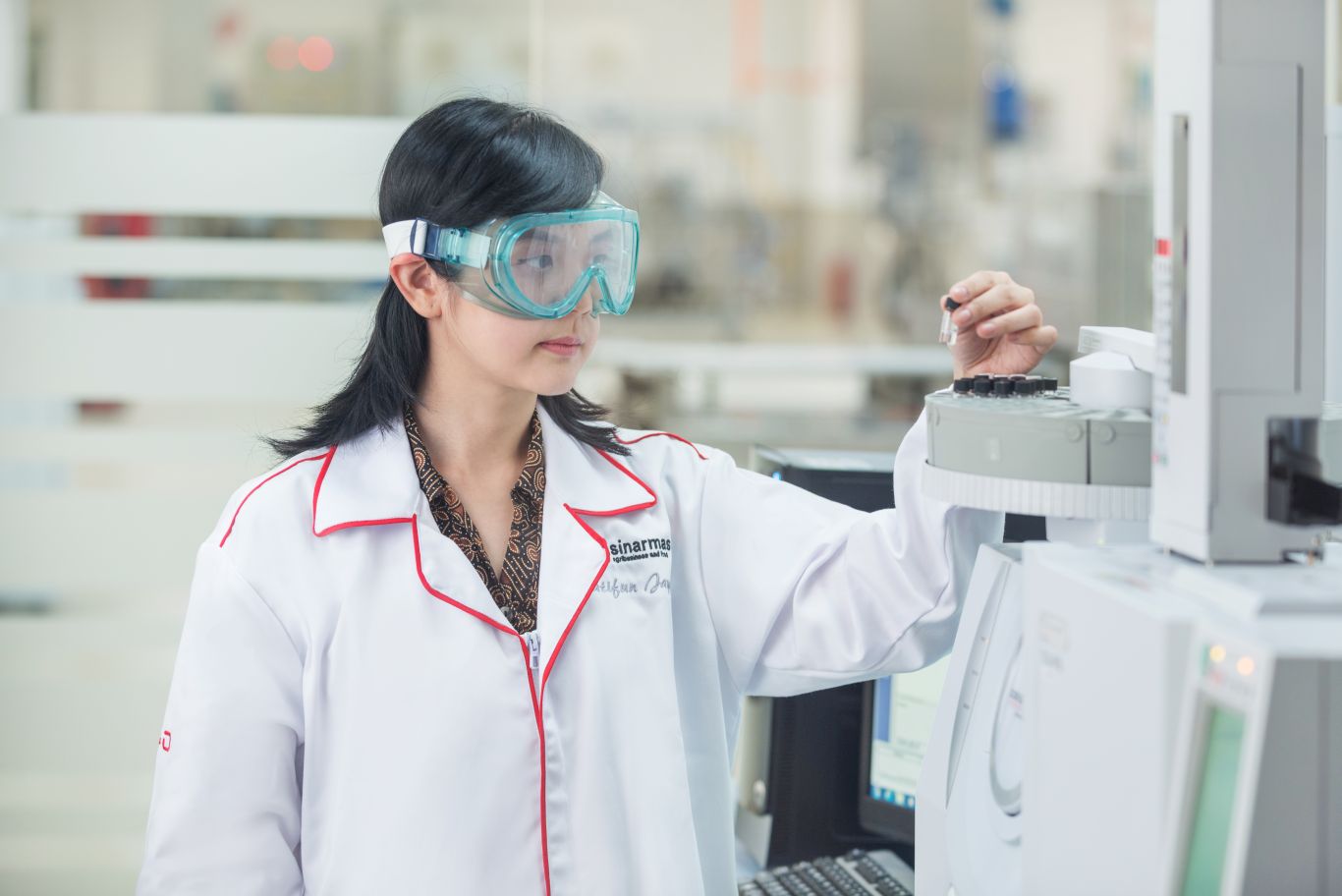
With a background in agronomy and a passion for sustainable agriculture, Elfrin leads the intercropping program at SMARTRI with heart and hands-on experience. She works closely with local farmers, helping them choose the right crops, track growth, troubleshoot challenges, and adjust based on the field’s needs.
“Research shouldn’t stay in journals,” she says. “It needs to reach the people who can use it – the farmers. That’s who I work for.”
Elfrin knows that change doesn’t happen overnight. Sometimes the first harvest doesn’t go as planned. But with the right support like quality seeds, technical advice, and access to markets, many farmers see real results within a single season.
More than maize: Choosing the right crops

What to plant? That depends on the land, the climate, and what the farmers need most.
In oil palm plantations, maize and groundnuts are common choices. They are fast-growing, profitable, and good for the soil. Others opt for vegetables like kangkong (morning glory) or eggplant, which are quick to harvest and easy to sell. Some farmers even grow bananas, which take longer but offer steady income down the line.
Elfrin’s team helps guide these decisions, balancing short-term gains with long-term sustainability.
“The best choices come from working together,” she says. “When farmers and researchers collaborate, we can make every hectare work harder and smarter.”
Better land use, better livelihoods

For families, it means more than extra cash. It means better nutrition, greater resilience to market or climate shocks, and stronger communities. It’s a chance to make farming work now, not just in a few years when the palms finally bear fruit.
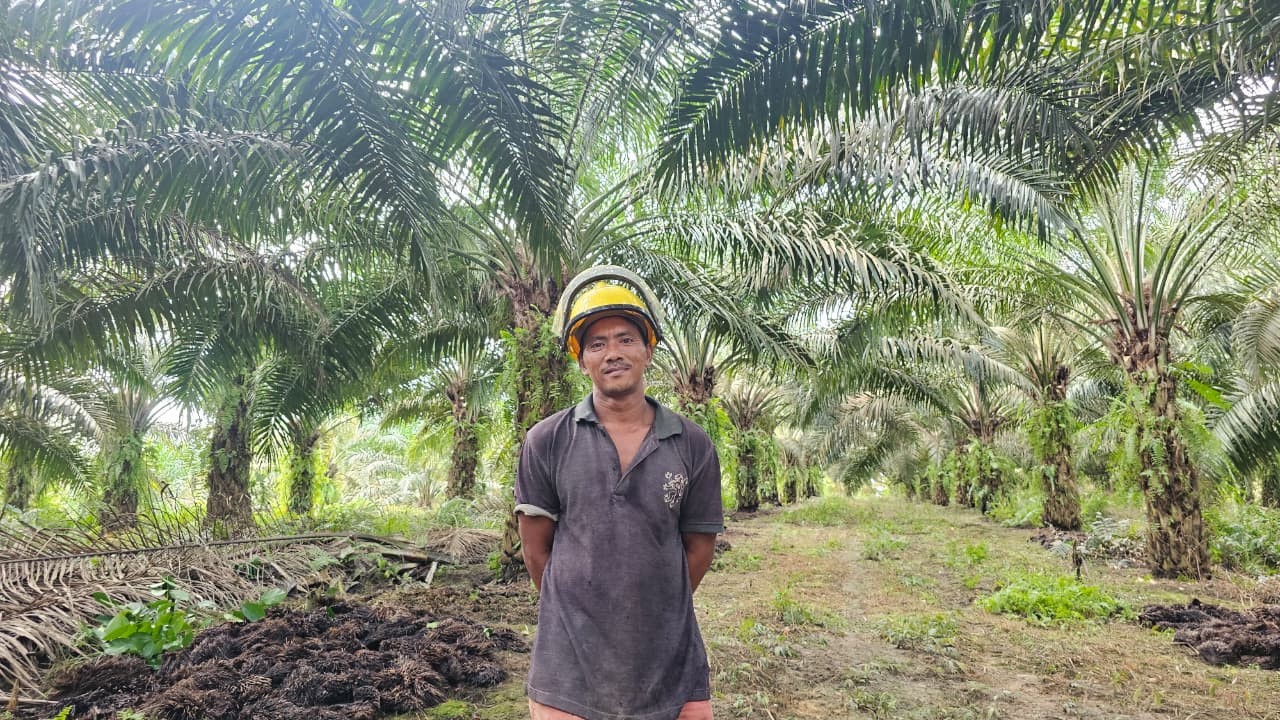
Farmers like Surbakti, from Libo Jaya in Riau, know the difference it can make. After a tough season of rain and pests, he tried intercropping with support from Elfrin’s team. The next harvest? A success.
“What matters is having support and not giving up,” he says. “Intercropping helped me feed my family and teach others what I learned.”
Of course, change can feel risky. Farmers may need new tools, guidance, and access to buyers. But with the right support, they adapt quickly. Many report healthier soils, reduced erosion, and much-needed income even while their oil palms are still growing.
For Elfrin, the reward is in the results she sees every day: healthier farms, empowered families, and land that gives more back.
“Science should make life better,” she says simply. “When farmers thrive, everything else follows.”
Sustainable agriculture starts with people who care about the land, the community, and each other. Meet Elfrin and other scientists at Sinar Mas Agribusiness and Food, and see how their work is opening new doors for farmers and the future of palm oil.