

 Our Shared Values
 Our Business
 Our Foundations
 Our Achievements
 Our Governance
 Conservation Management & Monitoring
 Climate Change
 Community Engagement
 Partnerships & Memberships
 Human Rights & Labour
 Responsible Sourcing
 Responsible Production
 Certifications
 Sustainability Report
 Palm-based Food Products
 Other Food Products
 Oleochemicals
 Bioenergy
 Food & Nutrition Innovation
 Press Releases
 Stories
 Meet Our Experts
 In the News
 Publication
 Shareholder Information
 Disclosure of Information
 Financial Information
 Prospective Suppliers
 Support for Palm Suppliers
 FAQ
FAQ Existing Non-Palm Suppliers
 Graduates & Professionals
 Scholarships
 Internships
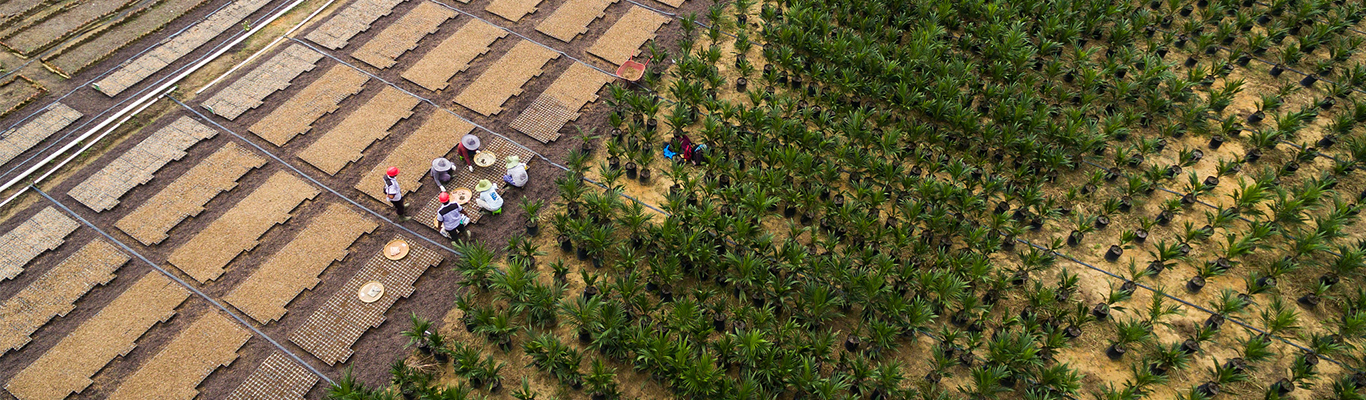
Big challenges like climate change, volatile prices, and tighter regulations can unsettle the roots of agriculture. Yet, in our palm landscapes, another story is taking shape.
Growers are planting smarter, scientists are innovating with nature-based solutions, and logistics teams are keeping food flowing from refinery gates to store shelves. How? With quality seedlings, practical training, and steadfast support from our people at every step.
This World Food Day 2025, we follow these connections in action, from seed researchers and smallholder coaches to biotechnologists and logistic leaders. Each plays a role in ensuring food is grown, moved, and enjoyed in ways that care for both people and the planet.
Seeds for resilience: Better varieties, better support
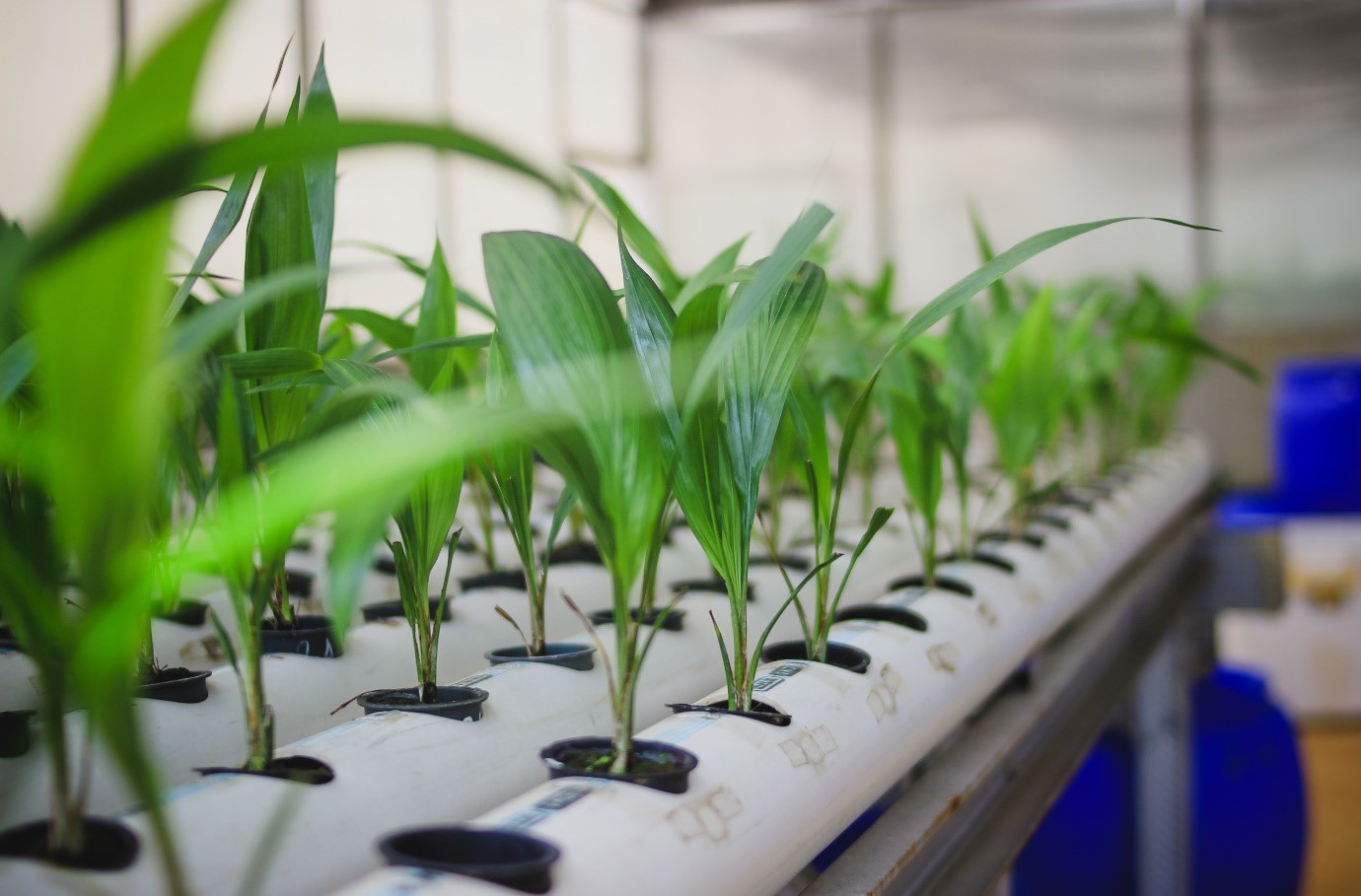
Every strong harvest starts with a strong seed. At SMART Research Institute (SMARTRI), scientists have been developing new oil palm varieties designed to stay resilient under increasingly unpredictable weather conditions. Among the seeds in development is a drought-tolerant variant that has shown promising results in field trials – delivering higher yields and greater stability during dry periods.
This innovation builds on more than a decade of research into how oil palms respond to water stress, helping farmers prepare for the challenges of climate change and secure their harvests for the long term.
But seed genetics alone aren’t enough. Our Dami Mas seed business pairs these innovations with on-the-ground support. Farmers receive advice on choosing the right varieties for their location, managing young palms through their most vulnerable years, and planning for long-term productivity.
“Good seeds set the potential. The right guidance unlocks it,” says Saistyo Agi Hendiwiyarto, Sales & Marketing Executive at Dami Mas. “That’s how we help growers build businesses that last through good years and bad years.”
Growing sustainably, step by step
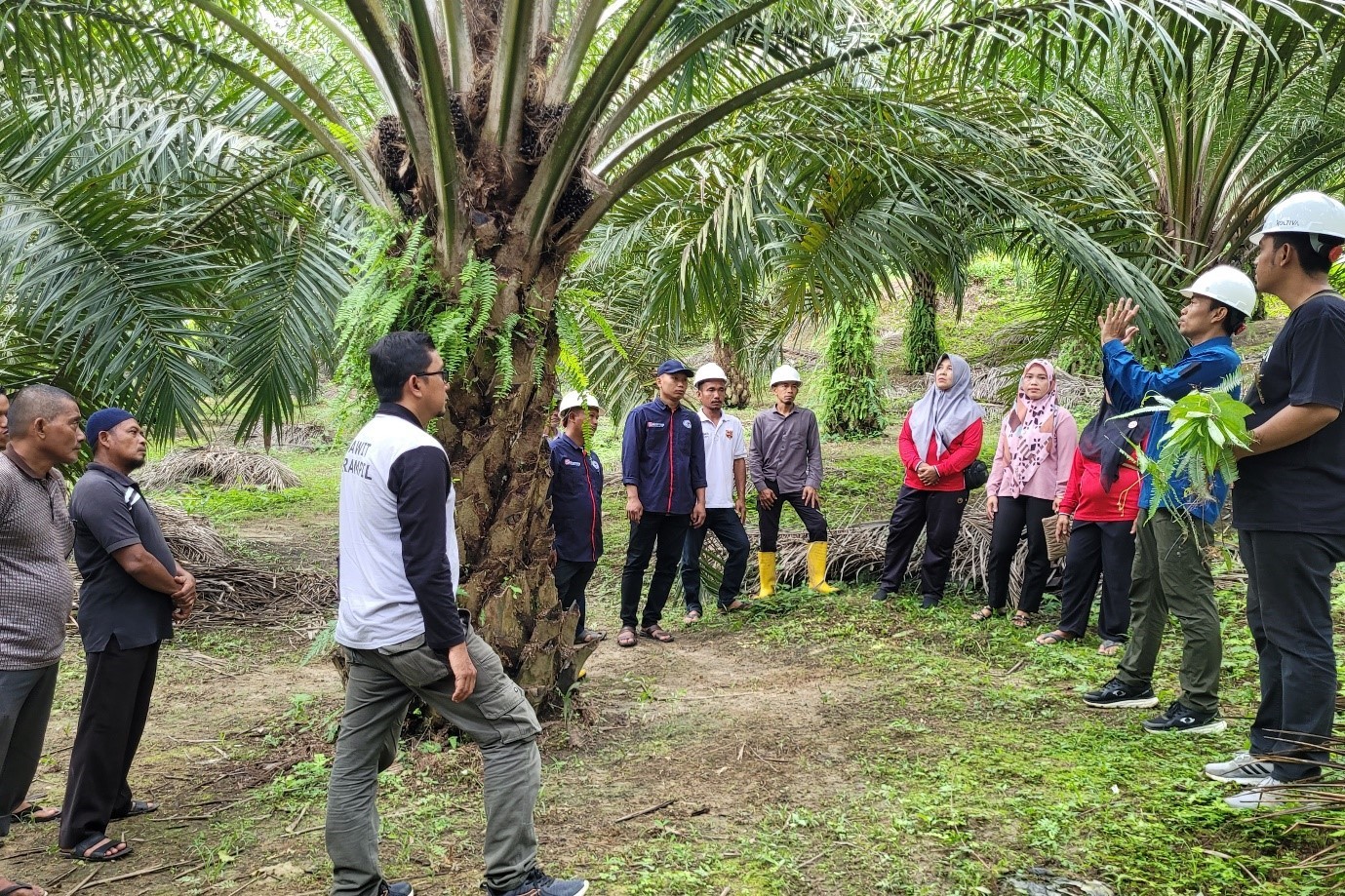
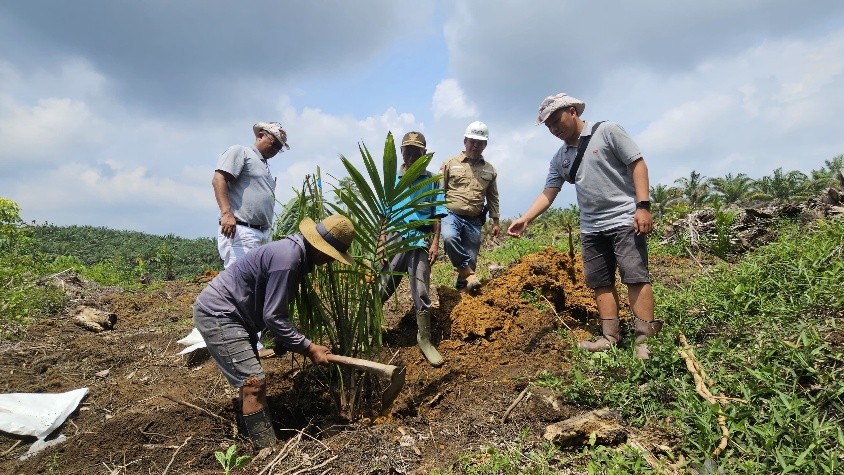
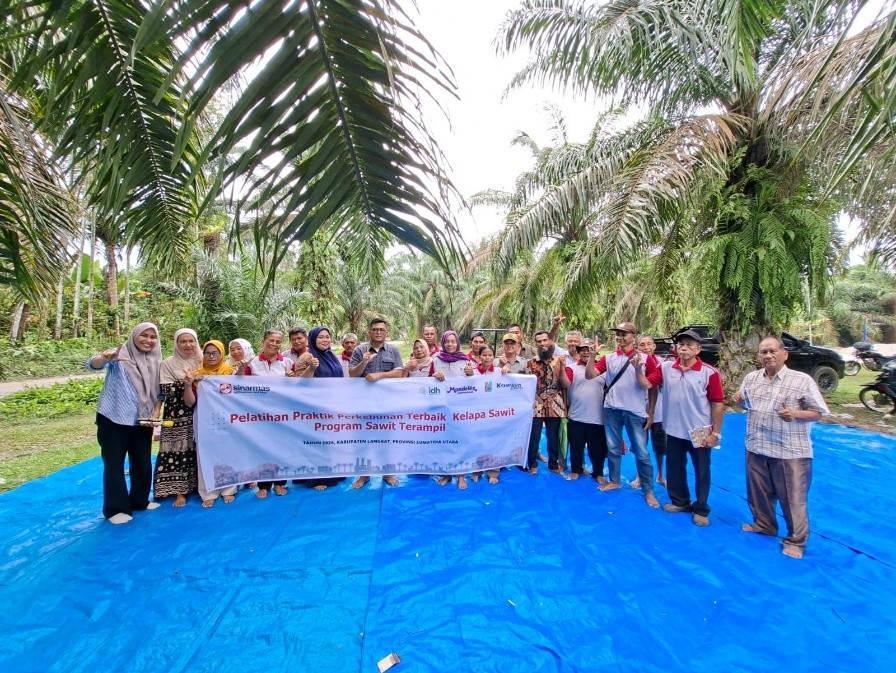
In Langkat, North Sumatra, Asrijon Tanjung, a Senior Smallholder Innovation Officer at GAR, ambles into a farmer’s plot. He’s not here to inspect or lecture. He’s here to listen, share knowledge, and help farmers navigate the journey toward RSPO certification via the Sawit Terampil programme.
Certification is more than a stamp of approval. It signals that a farmer is working in ways that protect soil, water, and biodiversity, while improving yields. For smallholders, that transformation can be daunting. That’s where Asrijon’s role becomes vital.
“Every farmer learns at a different pace,” he says. “I make sure the guidance I give fits their reality, so that they can put it into practice right away and see the benefits. Each small win lifts their confidence.”
From mapping land boundaries to teaching safe fertiliser application, Asrijon focuses on building trust first. He believes that once trust is there, change follows. Farmers in his programme have reported not just higher yields, but also better financial planning and stronger community networks.
Food security, he believes, begins with empowered farmers. “Give farmers the right tools and know-how, and they’ll find a way to keep food on the table for their families and neighbours, no matter what comes.”
Nature at work: Growing better with biological solutions
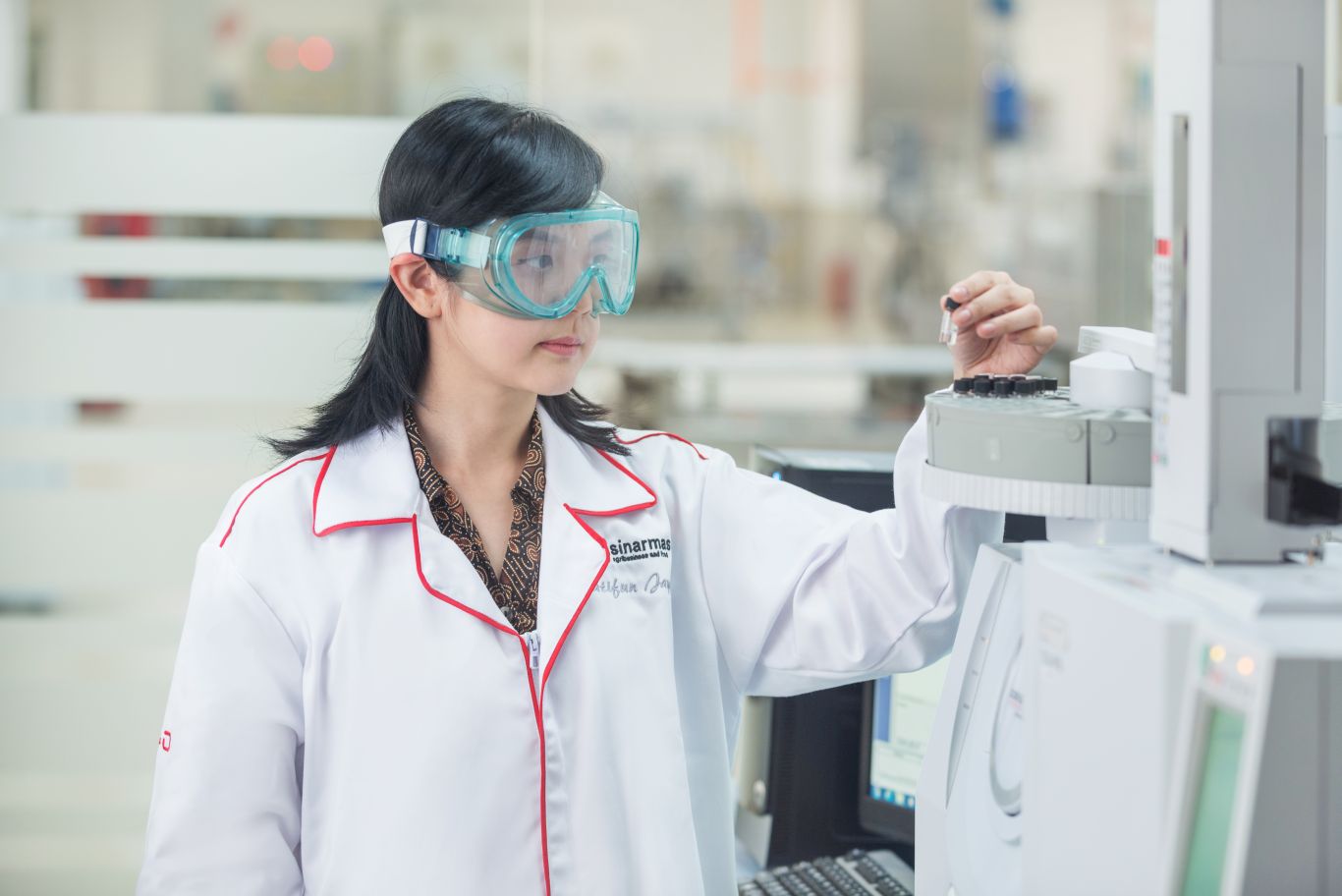
In Sentul, Bogor, inside the SMART Biotechnology Centre, scientists are harnessing nature to safeguard the future of farming. Their innovations: trichomas®, mycormas®, and RHINOMAS®, use natural processes to protect, nurture, and maintain plants with little ecological impact.
trichomas® with an active ingredient of Trichoderma, a soil fungus that protects crops from other harmful fungi by inhibiting their attack and by activating plant defences.
“Trichoderma not only blocks harmful pathogens, but also improve the uptake of nutrients,” explains Condro Utomo, Biotechnology Department Head at SMART Biotechnology Centre. “It also stimulates root growth, improves nutrient absorption, and helps the plant build systemic resistance.”
mycormas® mirrors the benefits of a healthy soil ecosystem. It enriches roots with mycorrhizal fungi that improve nutrient and water uptake while enhancing drought resilience.
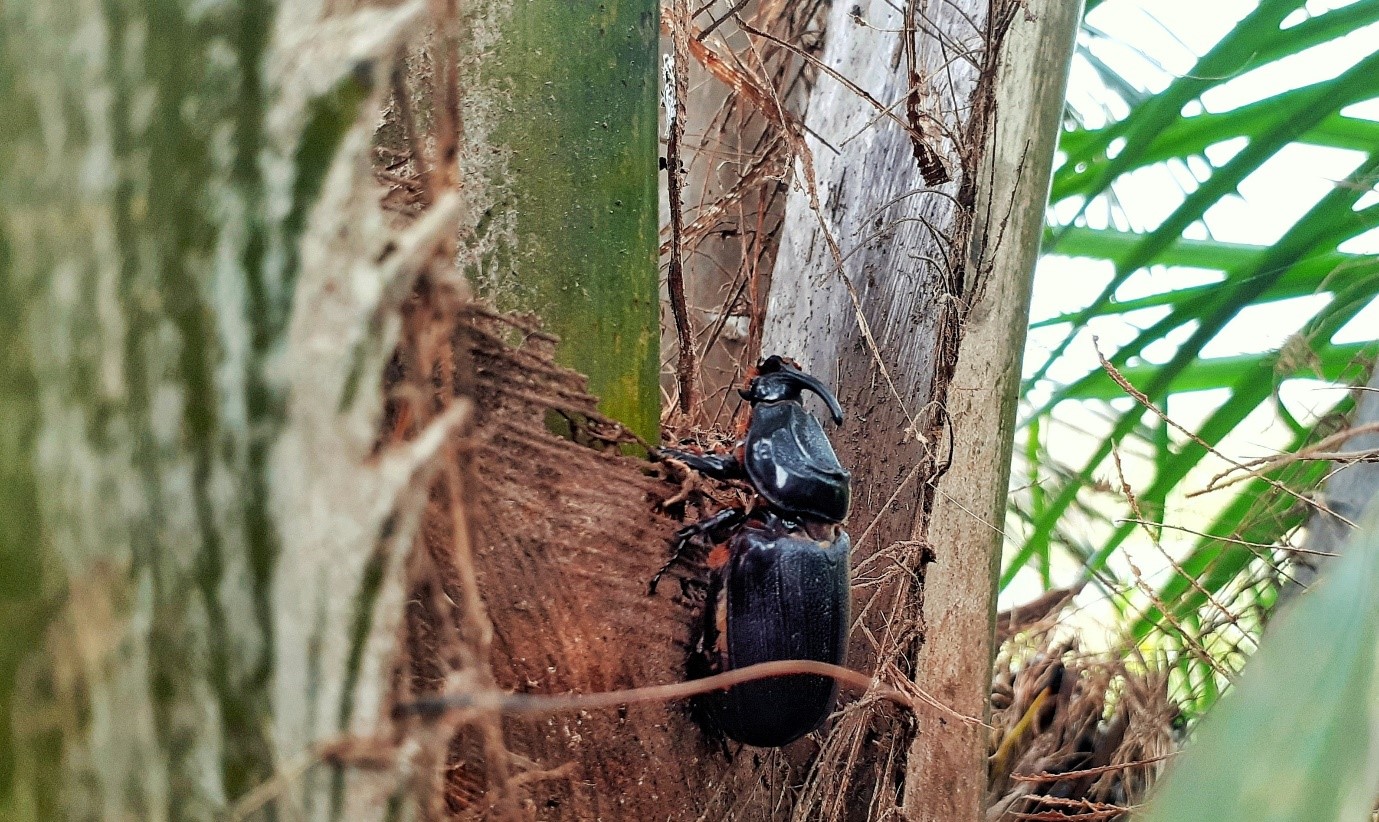
For pest control, RHINOMAS® uses pheromone technology to manage rhinoceros beetles, a major pest in replanting oil palm estates, without relying on chemical pesticides. Together, these biological tools offer farmers safer and smarter ways to grow.
“By using natural solutions, we’re helping farmers produce food that’s safer for farmers, healthier for people, and more environmentally friendly,” says Condro.
From refinery to shelf: Keeping food flowing, safely and timely
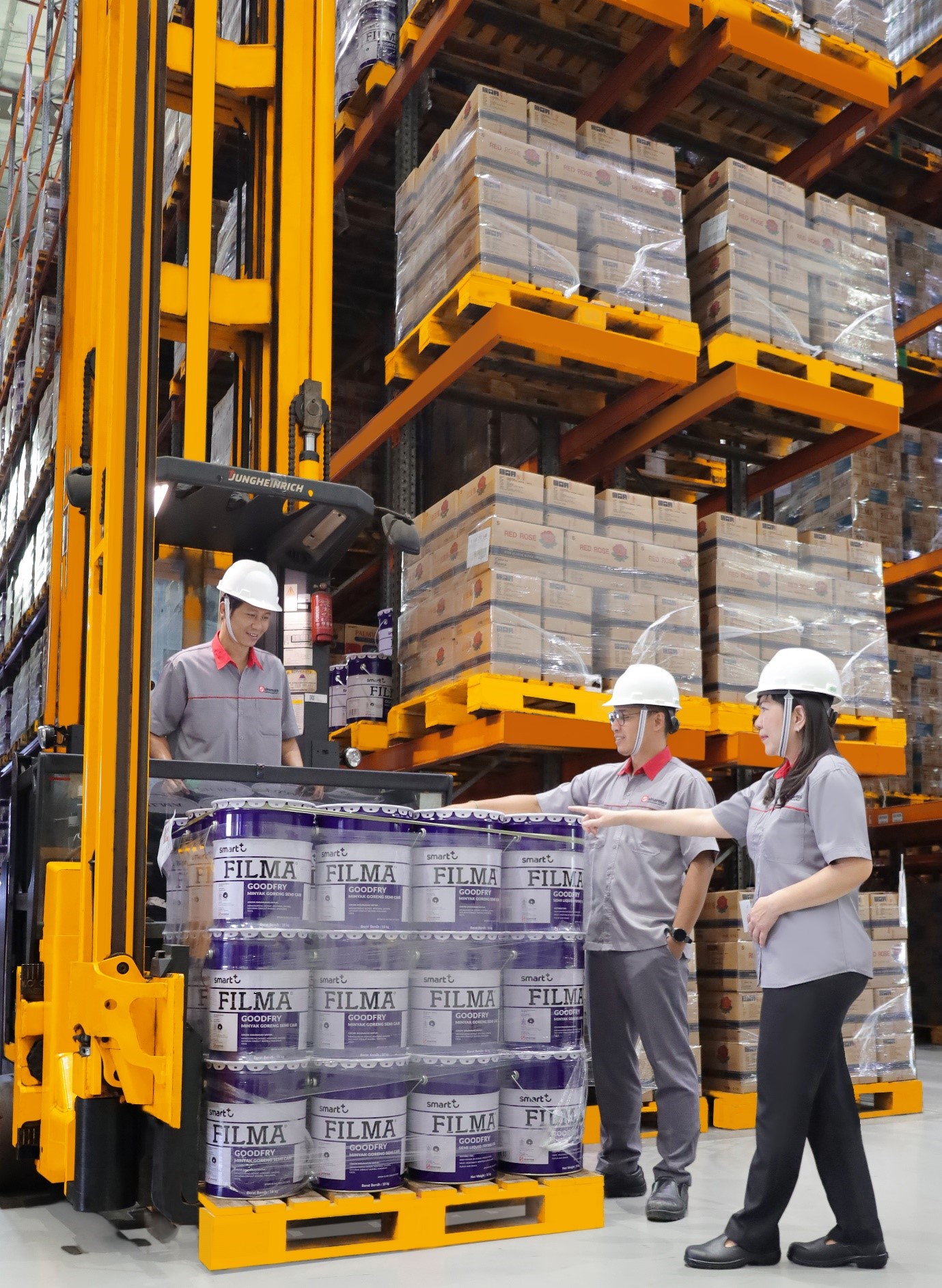
The story of food security doesn’t end in the fields. In our refineries, the next chapter begins – moving products from production lines to markets, kitchens, and businesses worldwide.
In our Surabaya refinery, Indahwati, Head of Logistic Operation, makes this possible. Every day, her team coordinates truckloads of cooking oil and other products, ensuring they leave the refinery on schedule and arrive where they’re needed.
“Logistics is about precision,” Indahwati says. “We have to match production output with transport availability, navigate schedules, and keep up with changing customer demands.”
Customer satisfaction is also front and centre. Her team prioritises service that is fast, timely, reliable, and safe, while maximising operational efficiency. That means strong coordination with internal and external partners, as well as with regulators to meet every requirement related to food safety, halal certification, and quality standards.
Her scope spans route planning, vehicle bookings, and working with transport partners to keep goods moving without interruption. “Every truck or container we dispatch carries the work of so many people upstream. My job is to make sure that effort isn’t wasted, and that the food people rely on gets to them when they expect it.”
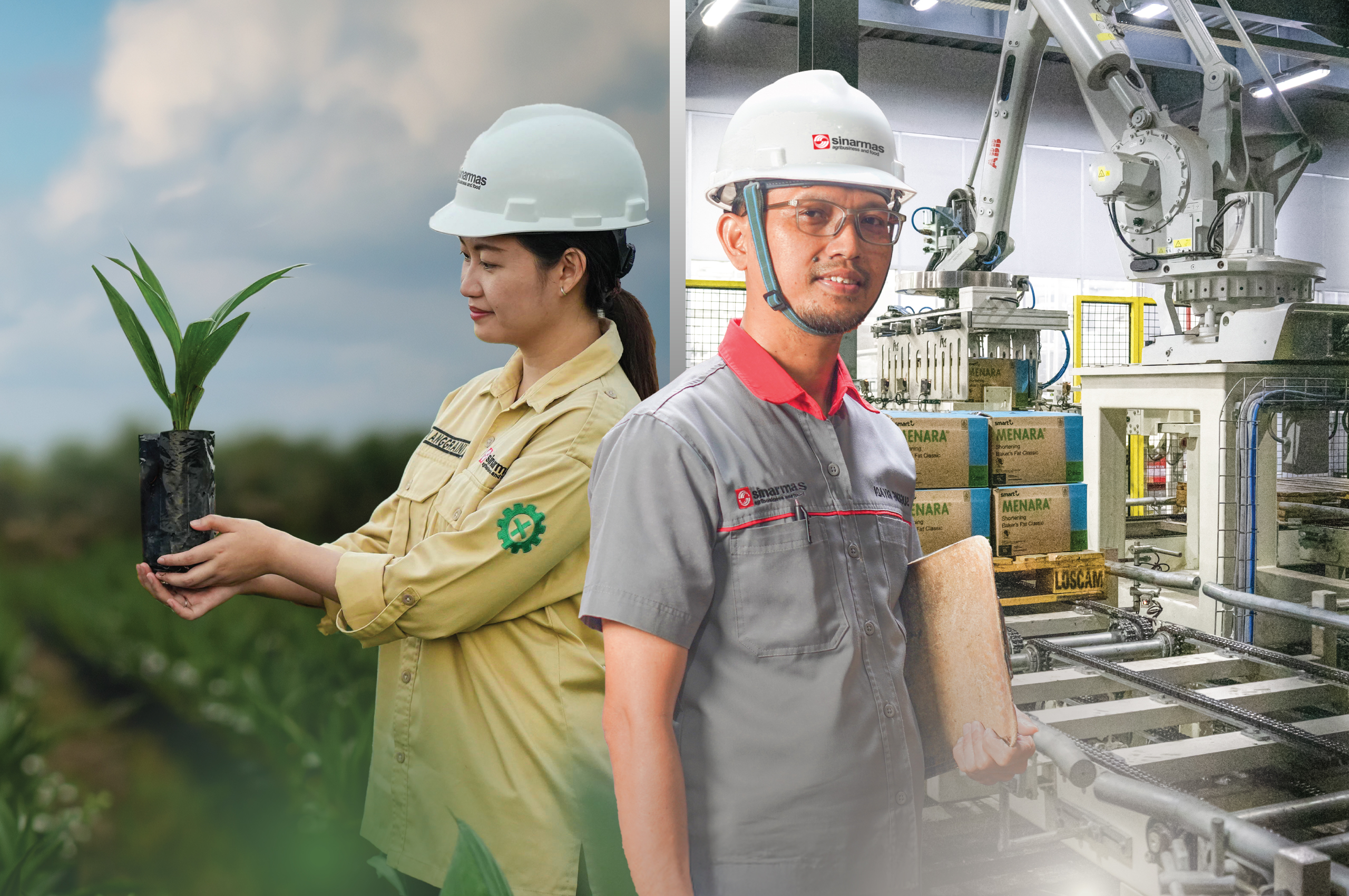
Food security grows when every link in the chain works together: scientists, farmers, trainers, innovators, and the people who keep food moving.This World Food Day on 16 October, we celebrate the hands and minds shaping better food for tomorrow. Revisit last year’s World Food Day feature on the people who keep food safe.